x

Музейна якість друку جيкле або на полотні з оперативним виготовленням та різноманітними варіантами фінішної обробки. ( Замовити репродукцію ручної роботи Купити цифрове зображення)





























Обирайте з наших стандартних розмірів, що відповідають оригінальним пропорціям твору мистецтва.

Ви можете вказати власні розміри, щоб репродукція ідеально підійшла до конкретної рами або інтер'єру. Якщо обраний вами розмір не відповідає пропорціям оригіналу, ми або обріжемо полотно, або розширимо зображення за допомогою дзеркального відображення чи суцільної заливки країв. Перед початком виробництва вам буде надіслано цифровий макет для затвердження.
Будь ласка, зверніть увагу, що попередній перегляд на екрані не відображає фактичне обрізання або розширення. Тільки макет точно покаже фінальну композицію.
Хоча можливість замовлення індивідуальних розмірів доступна, ми рекомендуємо обирати формат із попередньо визначеного списку, щоб зберегти оригінальні пропорції.
Доставка по всьому світу () за 2 тижні замість стандартних 4/5 тижнів. (19 Серпень)


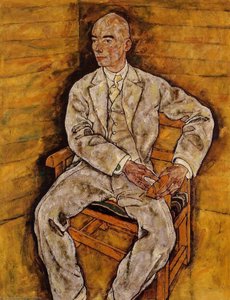
untitled (7272)
Розмір репродукції
Egon Schiele's "Untitled (7272)" is not merely a depiction of a reclining figure; it’s an immersion into the raw, unsettling heart of the Expressionist soul. Painted in 1918, just months before his untimely death during World War I, this work encapsulates the artist’s profound exploration of mortality, vulnerability, and the complex dance between life and death – themes that relentlessly haunted his oeuvre. The painting immediately commands attention with its stark monochrome palette, a deliberate choice that amplifies the sense of isolation and psychological intensity. The figure, rendered in a strikingly elongated form, dominates the canvas, yet simultaneously feels incredibly intimate, as if inviting the viewer into a private moment of introspection.
Schiele’s signature style is powerfully evident in every line. Angular, expressive strokes define the body's contours, creating a sense of dynamic tension. The figure isn’t simply posed; it’s actively struggling with its own physicality, its limbs elongated and subtly distorted – a deliberate departure from realistic representation. This distortion isn’t haphazard; it serves to externalize an internal state of turmoil, reflecting Schiele’s own anxieties about his body, his sexuality, and the looming specter of war. The background is deliberately vague, almost non-existent, pushing all focus onto the central subject and intensifying the feeling of claustrophobia and vulnerability. The flattened perspective further contributes to this sense of unease, stripping away any illusion of depth or distance.
Schiele’s work is steeped in symbolism, often drawing upon personal experiences and anxieties. The nude figure itself is a recurring motif for Schiele, frequently representing themes of sexuality, vulnerability, and self-portraiture. Here, however, it transcends mere physical representation. The pose suggests a profound introspection, a grappling with the inevitability of death – a preoccupation that was particularly acute during the war years. The subtle suggestion of a closed eye hints at a dreamlike state, perhaps a descent into the subconscious where anxieties and desires collide. The presence of the partially visible hand, reaching out as if grasping for something intangible, adds another layer of interpretation: a yearning for connection, for meaning, or simply for an escape from the overwhelming weight of existence.
The artwork's texture speaks volumes about Schiele’s chosen medium – charcoal on paper. The rough, uneven surface reflects the artist’s rapid, gestural technique, conveying a sense of urgency and immediacy. The shading is masterful, skillfully modeling form and creating dramatic contrasts between light and shadow. This isn’t a polished, idealized image; it's a raw, unfiltered expression of emotion. The use of varying shades of gray – from deep blacks outlining the figure to lighter grays suggesting volume – creates a powerful sense of depth and atmosphere. The work embodies the artist’s commitment to capturing not just the appearance of his subject but also their inner life.
Additional Research: For further exploration, consider visiting the Wikipedia page on Egon Schiele, or delving into resources like the Egon Schiele Art Centrum in Český Krumlov for insights into his life and work. You can also examine a detailed reproduction of “Death and the Maiden” (1915) at Wikipedia, which offers a compelling comparison.

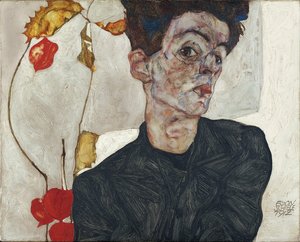
1890 - 1918 , Австрія

Explore the profound history and technical mastery of charcoal art. From prehistoric origins to Renaissance chiaroscuro, learn the essential additive and subtractive techniques used by masters to capture light, shadow, and raw emotional depth in monochrome fine art.


Будьте в курсі останніх новин зі світу мистецтва, ексклюзивних пропозицій та ідей для декорування.
Розкажіть нам про свій проєкт, і наші експерти з мистецтва підготують для вас 3 персоналізовані пропозиції щодо творів мистецтва.
Дозвольте нам підібрати 3 варіанти спеціально для вас — безкоштовно!


 Переглянути в інтер'єрі
 Надіслати як листівку
 Поділитися
 Детальніше

 Завантажити
 Схожі експонати
 Рентгенівське дослідження
 Слайд-шоу

 Читати далі







 Скляний варіант доступний лише для розмірів до 110 см