x

Написана вручну олією на полотні у вашому розмірі та рамі, виготовлена на замовлення нашими художниками. ( Замовити принт Купити цифрове зображення)





























Обирайте з наших стандартних розмірів, що відповідають оригінальним пропорціям твору мистецтва.

Ви можете вказати власні розміри, щоб репродукція ідеально підійшла до конкретної рами або інтер'єру. Якщо вибраний вами розмір не відповідає пропорціям оригіналу, ми або обріжемо полотно, або доповнимо картину додатковими елементами, промальованими вручну. Цифровий макет буде надіслано вам на затвердження перед початком виробництва.
Зверніть увагу, що попередній перегляд на екрані не відображає фактичне обрізання або розширення зображення. Тільки макет точно покаже остаточну композицію.
Хоча ми можемо виготовити виріб у нестандартному розмірі, для збереження оригінальних пропорцій рекомендуємо обирати варіанти зі встановленого списку.
Доставка по всьому світу () за 3–4 тижні замість стандартних 5 тижнів. (14 Серпень). Без жодних компромісів у якості.


untitled (8356)
Розмір репродукції
Egon Schiele's "untitled (8356)" is not merely a portrait; it’s a raw, unsettling glimpse into the psyche of a tormented artist grappling with mortality, sexuality, and the anxieties of early 20th-century Europe. Painted in 1917, during a period of intense personal struggle for Schiele – marked by illness, loss, and the looming shadow of World War I – this work embodies his signature Expressionist style: bold lines, distorted forms, and an unnerving intensity that refuses to offer easy answers.
The subject, a woman with a strikingly unusual expression, dominates the composition. Her mouth hangs slightly open in what appears to be a forced smile or perhaps a grimace of discomfort, her eyes wide and unblinking. This unsettling facial distortion is central to the painting’s power, immediately drawing the viewer into a space of unease and questioning. The background—a simple wall adorned with a clock and two books – provides a stark contrast to the woman's intense presence, suggesting a sense of isolation and perhaps a preoccupation with time and knowledge.
Schiele’s technique is instantly recognizable. He employs rapid, agitated brushstrokes that create a palpable sense of movement and instability. The lines are not smooth or refined; they are jagged, broken, and deliberately distorted – mirroring the emotional turmoil he sought to convey. Notice how the woman's features are elongated and exaggerated, her body subtly twisted as if caught in an awkward pose. This deliberate distortion isn’t simply stylistic; it’s a visual representation of psychological strain and vulnerability.
The use of color is equally significant. The palette is muted – predominantly browns, ochres, and greys—contributing to the painting's somber mood. However, Schiele strategically employs small bursts of brighter tones, particularly in the woman’s eyes, which seem to pierce through the darkness, demanding attention and revealing a flicker of underlying emotion.
Schiele's work is deeply intertwined with the anxieties of his time. The painting reflects the pervasive sense of uncertainty and disillusionment that gripped Europe in the wake of World War I, as well as a broader preoccupation with death and decay—themes frequently explored by Schiele throughout his oeuvre. The clock in the background serves as a potent symbol of mortality, reminding us of the relentless passage of time and the inevitability of our own demise.
Furthermore, the painting can be interpreted through the lens of Freudian psychology. The woman’s expression—a mixture of amusement and discomfort—suggests a complex interplay of desire and repression. Schiele was fascinated by sexuality and often depicted it in unconventional ways, challenging societal norms and exploring the darker aspects of human experience. The presence of the books hints at intellectual pursuits but also perhaps an inability to find solace or answers within them.
"untitled (8356)" is a profoundly moving work that continues to resonate with viewers today. Most-Famous-Paintings offers meticulously crafted, hand-painted reproductions of this iconic painting, allowing you to experience its emotional depth and artistic brilliance in stunning detail. These reproductions capture not only the visual elements but also the very spirit of Schiele’s vision—a testament to his unique talent and enduring legacy. Consider adding this powerful image to your collection or incorporating it into your interior design – a reminder of the complexities of human emotion and the beauty found within vulnerability.
To learn more about Egon Schiele's life, artistic influences, and other significant works, explore our artist database or read our comprehensive article: Egon Schiele: Expressionism, Anxiety & the Modern Condition – A Comprehensive Exploration. For a deeper dive into one of his most famous paintings, you can find information on “Death and the Maiden (Schiele)” here: Wikipedia Search.

1890 - 1918 , Австрія
Відкрийте 25 найвідоміших картин Еґона Шіле – австрійського експресіоніста, майстра психологічного портрету та виразного живопису. Історія мистецтва, техніки та натхнення для декору вашого дому від Most-Famous-Paintings.com.

Explore the emotionally charged world of Egon Schiele (1890-1918). Discover his Expressionist masterpieces, psychological themes, and lasting impact on modern art. A comprehensive guide for collectors & enthusiasts.
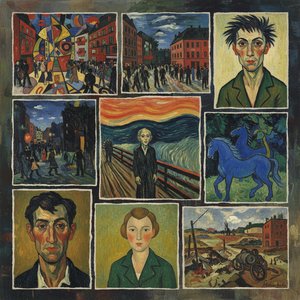
Відкрийте для себе 10 шедеврів експресіонізму! Дізнайтесь історії Мунка, Кірхнера та інших геніїв. Купуйте репродукції картин онлайн на Most-Famous-Paintings.com – музейна якість для вашого інтер'єру.
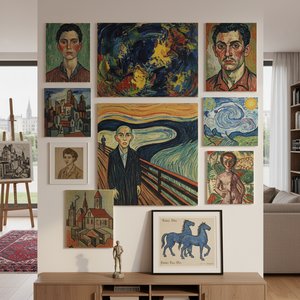
Пориньте у світ експресіонізму! Відкрийте 10 шедеврів Мунка, Ван Гога та інших геніїв. Історія мистецтва, емоції та кольори – все це на Most-Famous-Paintings.com. Репродукції картин преміум-якості для вашого дому.

Elevate your artistic practice with this expert guide to mastering the line. Discover advanced techniques in graphite, charcoal, and contour drawing designed for art students seeking technical precision and expressive depth in their fine art studies.


Будьте в курсі останніх новин зі світу мистецтва, ексклюзивних пропозицій та ідей для декорування.
Розкажіть нам про свій проєкт, і наші експерти з мистецтва підготують для вас 3 персоналізовані пропозиції щодо творів мистецтва.
Дозвольте нам підібрати 3 варіанти спеціально для вас — безкоштовно!


 Переглянути в інтер'єрі
 Надіслати як листівку
 Поділитися
 Детальніше

 Завантажити
 Схожі експонати
 Рентгенівське дослідження
 Слайд-шоу
 Читати далі







 Скляний варіант доступний лише для розмірів до 110 см