x


 Замовити репродукцію Купити цифрове зображення
 Надіслати
 Деталі витвору
 Додати до улюблених
 Завантажити
 Схожі вироби
 Рентгенівське дослідження
 Слайд-шоу
Музейна якість друку جيкле або на полотні з оперативним виготовленням та різноманітними варіантами фінішної обробки.





























Обирайте з наших стандартних розмірів, що відповідають оригінальним пропорціям твору мистецтва.

Ви можете вказати власні розміри, щоб репродукція ідеально підійшла до конкретної рами або інтер'єру. Якщо обраний вами розмір не відповідає пропорціям оригіналу, ми або обріжемо полотно, або розширимо зображення за допомогою дзеркального відображення чи суцільної заливки країв. Перед початком виробництва вам буде надіслано цифровий макет для затвердження.
Будь ласка, зверніть увагу, що попередній перегляд на екрані не відображає фактичне обрізання або розширення. Тільки макет точно покаже фінальну композицію.
Хоча можливість замовлення індивідуальних розмірів доступна, ми рекомендуємо обирати формат із попередньо визначеного списку, щоб зберегти оригінальні пропорції.
Доставка по всьому світу () за 2 тижні замість стандартних 4/5 тижнів. (22 Липень)


The Risen Christ
Розмір репродукції
Doménikos Theotokópoulos, universally known as El Greco – “the Greek” – possessed a singular ability to imbue his paintings with an almost unbearable intensity. His work wasn’t merely representation; it was a visceral experience, a direct conduit to the spiritual realm. “The Risen Christ,” created around 1595 and now housed within the Toledo Cathedral in Spain, stands as a prime example of this profound engagement. This monochromatic masterpiece isn't simply a depiction of resurrection; it’s an exploration of faith, vulnerability, and the yearning for divine grace – rendered with the raw emotion characteristic of El Greco’s Mannerist style.
The photograph captures a wood sculpture, likely executed by El Greco himself or one of his workshop assistants. The figure is dramatically posed, arms raised in an expansive gesture that seems to reach towards the heavens. His face, etched with sorrow and a nascent hope, gazes upwards, inviting contemplation on the miracle he has witnessed. The stark black and white palette intensifies the emotional impact, stripping away any superfluous detail and focusing solely on the essential elements of this pivotal moment.
El Greco’s artistic journey was a fascinating synthesis of influences. Born in Crete – a region steeped in Byzantine tradition – he initially trained within the meticulous conventions of that ancient art form, mastering the use of gold leaf and intricate iconography. However, his time in Venice and Rome exposed him to the burgeoning Renaissance ideals, while his eventual settlement in Toledo, Spain, profoundly shaped his distinctive style. Toledo, a city at the crossroads of cultures – Christian, Jewish, and Muslim – provided a rich tapestry of artistic traditions that he skillfully absorbed and reinterpreted.
This sculpture reflects the core tenets of Mannerism, a movement characterized by elongated figures, distorted perspectives, and an emphasis on emotional expression. El Greco’s use of dramatic diagonals, heightened colors (though rendered in monochrome here), and a sense of dynamism anticipates later artistic movements like Expressionism and Cubism, demonstrating his remarkably prescient vision. The sculpture's scale is also significant; the height of Christ emphasizes his divine status and draws the viewer upwards, mirroring the gesture of his arms.
The symbolism within “The Risen Christ” is layered and deeply resonant. The outstretched arms represent not only resurrection but also a plea for forgiveness and connection with God. The upward gaze signifies hope, faith, and the transcendence of earthly suffering. The stark simplicity of the composition – devoid of extraneous details – forces the viewer to confront the core essence of the event: the miracle of Christ’s return. The choice of wood as the medium further reinforces the sculpture's connection to both the earthly realm (the material itself) and the spiritual one (representing the body of Christ).
El Greco’s work is inextricably linked to Toledo, a city he adopted as his artistic home. The Museo de El Greco, located within the city walls, houses an extensive collection of his paintings and sculptures, offering visitors a profound insight into the artist's life and creative process. The sculpture itself resides in the Hospital Tavera, a testament to its enduring significance. Exploring Toledo’s art scene – including Santo Domingo el Antiguo and The Royal Seat of San Lorenzo de El Escorial – provides further context for understanding El Greco’s place within the broader artistic landscape of Spain during the Spanish Golden Age. Reproductions of “The Risen Christ” offer a remarkable opportunity to bring this powerful work into any setting, allowing its emotional depth and spiritual resonance to be experienced anew.

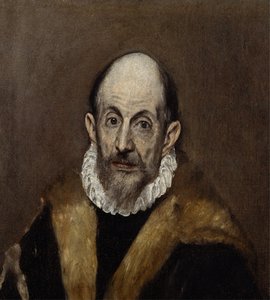
1541 - 1614 , Греція

Відкрийте для себе 25 найзнаковіших шедеврів Ель Греко! Пориньте в світ іспанського живопису, манералізму та духовного мистецтва. Розкішні репродукції картин на Most-Famous-Paintings.com – для вашого вишуканого інтер'єру. Дослідіть повну колекцію онлайн!

Explore the captivating world of El Greco! Discover his unique style, spiritual intensity, and lasting impact on art history. Learn about this Renaissance master's life, iconic paintings & legacy.

Відкрийте для себе 10 шедеврів маньєризму – елегантного стилю Ренесансу! Історія Понтормо, Бронзіно та інших майстрів. Репродукції картин високої якості для вашого інтер'єру на Most-Famous-Paintings.com
Відкрийте для себе 25 шедеврів музею Прадо! Історія Веласкеса, Гойї, Ель Греко та інших геніїв іспанського мистецтва. Бароко, репродукції картин високої якості для вашого дому на Most-Famous-Paintings.com.

Explore the captivating world of José Gutiérrez Solana, a pivotal Spanish Expressionist painter. Discover his haunting depictions of early 20th-century Spain, influenced by Goya & El Greco. Learn about his key works and lasting legacy.


Будьте в курсі останніх новин зі світу мистецтва, ексклюзивних пропозицій та ідей для декорування.
Розкажіть нам про свій проєкт, і наші експерти з мистецтва підготують для вас 3 персоналізовані пропозиції щодо творів мистецтва.
Дозвольте нам підібрати 3 варіанти спеціально для вас — безкоштовно!


 Поділитися


 Розгорнути текст







 Скляний варіант доступний лише для розмірів до 110 см