
Продавайте своє мистецтво
Список бажань Кошик Cart
x
Переглянути в інтер'єріПереглянути в інтер'єрі Примірка в ARПримірка в AR Купити принт Купити принтКупити картину ручної роботи Купити картину ручної роботи НадіслатиНадіслати
ДеталіДеталі Додати до улюблених Додати до улюблених ЗавантажитиЗавантажити Схожі експонатиСхожі експонати Рентгенівське дослідженняРентгенівське дослідження Слайд-шоуСлайд-шоу

untitled (7453)

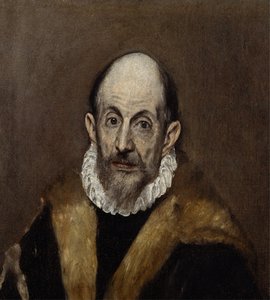
Explore El Greco's enigmatic portrait 'untitled (7453)', capturing the solemn gaze of a bearded man absorbed in scripture against a stark black backdrop – a masterpiece reflecting Byzantine heritage and Spanish spirituality.

Свята Магдалина Е Greco – шедевр ренессансной живописи и христианской мистики. Изучите историю создания картины и ее символическое значение в музее искусства Кливленда!

Придбайте цифрову копію високої роздільної здатності з покращеною якістю, що значно перевершує онлайн-перегляд.

Кожен файл ретельно підготовлений нашими фахівцями за допомогою сучасних інструментів та професійної ручної ретуші. Ми гарантуємо виняткову чіткість, точну передачу кольору та високу деталізацію кожного зображення.

Фінальний файл надсилається електронною поштою протягом 72 годин і оптимізований для негайного використання у професійних виданнях та друкованих матеріалах. Таку якість обирають провідні дизайнерські студії, видавництва та галереї.

Цифрове зображення

Завантажте файл високої роздільної здатності для особистого перегляду, друку та творчих проєктів. (Купити принт Купити принтКупити картину ручної роботи Купити картину ручної роботи)

Загальна вартість

$ 24,90

Що входить у кожне замовлення цифрових зображень

Професійна цифрова доставка з гарантією якості

Обираючи Most-Famous-Paintings.com, ви отримуєте не просто зображення — ви отримуєте професійно вдосконалений цифровий витвір мистецтва, створений з надзвичайною точністю та підкріплений гарантією задоволення. Ось усе, що автоматично додається до вашого замовлення:

shipping_icon
Швидка доставка на email

Ваш цифровий файл із зображенням високої роздільної здатності буде надісланий вам електронною поштою протягом 72 годин після оформлення замовлення — він буде готовий до негайного використання.

canvas_icon
Цифровий файл із покращенням ШІ

Ваш витвір мистецтва професійно оптимізовано за допомогою передових інструментів штучного інтелекту та ручної корекції, що забезпечує максимальну деталізацію, чіткість і точність передачі кольорів.

insurance_icon
Безкоштовне повторне завантаження назавжди

Випадково видалили або втратили файл? Не хвилюйтеся — ми надішлемо його вам повторно в будь-який час безкоштовно.

tax_icon
Без митних зборів — завжди

Насолоджуйтесь вашим витвором мистецтва миттєво без жодних мит, зборів або плати за доставку — цифрові завантаження завжди не оподатковуються.

color_icon
Гарантія точності кольорів

Ми гарантуємо максимально точне відтворення оригінальних кольорів на вашому цифровому зображенні завдяки використанню професійних інструментів та систем управління кольором.

return_icon
Гарантія задоволення протягом 60 днів

Якщо ви не задоволені придбаним цифровим зображенням, ми відкоригуємо його або повернемо 100% вартості протягом 60 днів — без жодних запитань.

guarantee_icon
Гарантія повернення 100% коштів

Не задоволені покупкою? Отримайте повне повернення коштів протягом 60 днів після отримання цифрового файлу — без жодних запитань.

discount_icon
Знижки на оптові замовлення

Купуйте 3 зображення — заощаджуйте 10% — Купуйте 5 — заощаджуйте 15% — Купуйте 10+ — заощаджуйте 20%. Чудово підходить для творчих проєктів, галерей та агентств.

Короткі факти

  • Subject or theme: Portraiture
  • Movement: Spanish Mannerism
  • Notable elements or techniques: Dramatic lighting; elongated figures
  • Artistic style: Expressive; stylized
  • Title: untitled (7453)
  • Medium: Oil on canvas

Опис колекційного об'єкта

A Portrait Steeped in Faith and Mystery: Exploring El Greco’s Untitled (7453)

El Greco's "untitled (7453)" stands as a testament to the artist’s singular vision—a portrait that transcends mere representation, delving into realms of spirituality and psychological depth. Captured on canvas with an unsettling stillness, this enigmatic figure commands attention not through flamboyant gesture but through the profound gaze directed downwards at an open book. The painting's stark black background serves as a dramatic counterpoint to the luminous flesh tones of the man’s face and robe, amplifying his presence and drawing the viewer into a contemplative space.

Style and Technique: Byzantine Echoes and Andalusian Innovation

The artist’s stylistic approach is undeniably rooted in the traditions of Byzantium—specifically, the meticulous detail characteristic of icon painting—yet El Greco swiftly moved beyond convention to forge an entirely new aesthetic. His elongated figures, reminiscent of biblical saints, are rendered with a deliberate distortion that imbues them with an otherworldly quality. This technique isn’t merely stylistic; it's imbued with symbolic significance. The elongation represents transcendence, elevating the subject beyond earthly concerns and hinting at divine grace. Furthermore, El Greco employed glazing techniques—layers of translucent paint applied over opaque undercoats—to achieve remarkable luminosity and depth, a hallmark of his distinctive style that distinguishes him from other painters of his era.

Historical Context: Toledo’s Spiritual Crucible

Painted in Toledo during El Greco's later years, “untitled (7453)” reflects the fervent religious fervor of Spain at the time—a period marked by the Counter-Reformation and a renewed emphasis on piety. Toledo was a city undergoing significant transformation, becoming a bastion of Catholicism amidst Protestant influence. El Greco’s patrons were largely devout nobles and clergymen who commissioned works intended to inspire devotion and commemorate faith. The book held in the man's hand symbolizes knowledge, wisdom, and divine revelation—themes central to Christian theology and powerfully conveyed by El Greco’s masterful execution.

Symbolism: Inner Reflection and Spiritual Quest

Beyond its formal elements, “untitled (7453)” speaks volumes about human psychology. The downward gaze of the subject suggests introspection, a preoccupation with inner contemplation rather than outward observation. This posture invites viewers to consider questions of faith, morality, and the pursuit of spiritual enlightenment—themes that resonate across cultures and centuries. The stark simplicity of the composition contributes to this effect, stripping away extraneous details to focus solely on the figure’s face and expression.

Emotional Impact: A Moment Frozen in Time

Ultimately, “untitled (7453)” evokes a feeling of solemn contemplation and quiet reverence. The painting's unsettling stillness—coupled with the man’s unwavering gaze—creates an atmosphere of profound seriousness. It is not merely a portrait; it is a window into the soul, capturing a fleeting moment of inner reflection that transcends time and circumstance. This enduring emotional resonance ensures that El Greco’s masterpiece continues to captivate audiences today, cementing its place as one of the most iconic images of Renaissance spirituality.

Біографія митця

Doménikos Theotokópoulos, Known As El Greco – “The Greek”

Doménikos Theotokópoulos, universally recognized as El Greco – “the Greek” – stands apart in the annals of European art history as a painter whose life and oeuvre defied easy categorization. Born in Crete, Greece (1541), under Venetian rule, his artistic journey traversed Venice and Rome before finding its ultimate expression in the spiritual heartland of Spain: Toledo. El Greco wasn’t merely shaped by these locations; he synthesized their diverse influences into an utterly distinctive style—one that foreshadowed the emotional fervor of Expressionism and the fragmented forms of Cubism centuries ahead of time. His formative years within Byzantine tradition instilled a meticulous attention to detail and a profound understanding of religious iconography, principles that would nevertheless propel him beyond conventional artistic boundaries. He signed his canvases in Greek, appending “Krḗs” – Cretan – as a defiant assertion of his heritage, even as he embraced new artistic horizons. The genesis of his singular style wasn’t solely rooted in technique but also nourished by the fervent religious climate of Crete and the rich tapestry woven by Venetian art masters like Titian and Tintoretto.

A Venetian Apprenticeship: Absorbing Artistic Innovation

Around 1567, El Greco embarked on a transformative relocation to Venice—a move that irrevocably altered his artistic trajectory. Immersed in the pulsating artistic milieu of the Serenissima Republic, he diligently studied the luminaries of his era – Titian, Tintoretto, Veronese – absorbing their mastery of color palettes, compositional strategies, and dramatic lighting effects. He deliberately loosened his brushwork, embracing the sensual qualities inherent in oil paint and experimenting with techniques that would liberate him from rigid stylistic constraints. This Venetian influence is palpably present in early masterpieces such as *St. Sebastian* (1600), where anatomical precision harmoniously blends with theatrical illumination—a testament to El Greco’s ability to fuse meticulous observation with emotive expression. Furthermore, his exposure to Mannerism – a style characterized by elongated figures, distorted perspectives, and sophisticated arrangements – honed his artistic sensibilities and broadened his stylistic repertoire. While he demonstrated considerable talent within the competitive Roman art world, securing widespread acclaim proved elusive.

Toledo: The Crucible of Spiritual Vision

His subsequent settlement in Toledo (1577) constituted a pivotal juncture in El Greco’s artistic evolution—a city steeped in religious fervor during the Counter- Reformation and ideally suited to nurture his profoundly spiritual canvases. This environment fostered both patronage and an atmosphere conducive to exploring themes of faith, mysticism, and transcendence. It was here that El Greco achieved his most enduring achievements, producing a series of paintings that solidified his reputation as one of Spain’s foremost artists—works imbued with an unparalleled emotional depth and stylistic originality. The monumental *Burial of the Count of Orgaz* (1586-1588), arguably his magnum opus, exemplifies these qualities spectacularly. This masterpiece seamlessly blends Byzantine artistic conventions with Venetian innovations, presenting a dramatic depiction of a miraculous event—the ascension of saints to bury a noble benefactor—with breathtaking realism juxtaposed against ethereal figures embodying divine intervention.

A Style Defined By Distortion and Emotion

El Greco’s distinctive style is instantly recognizable—a stylistic hallmark that distinguishes him from his contemporaries. His depictions of human figures are frequently elongated, their bodies contorted in poses conveying intense spiritual ecstasy or profound anguish. This isn't merely a matter of artistic convention; it represents El Greco’s deliberate effort to transcend the limitations of representational art and capture the intangible realm of emotion and spirituality—a precursor to Expressionist sensibilities and Cubist fragmentation. He skillfully manipulated color—often employing hues that deviated dramatically from naturalistic palettes—to heighten the emotional impact of his compositions, mirroring the stylistic boldness championed by artists like Picasso and Braque. Moreover, dramatic lighting—characterized by stark contrasts between illumination and darkness—creates a theatrical atmosphere, drawing the viewer into the heart of the depicted narrative and amplifying its emotive resonance.

Legacy: An Artist Ahead Of His Time

Despite encountering challenges securing recognition during his lifetime – largely due to stylistic divergences from prevailing artistic trends – El Greco’s legacy endured beyond his death in 1614. Artists like Picasso and Braque recognized him as a visionary forerunner of modern art, admiring his innovative use of form and perspective—elements that anticipated the aesthetic breakthroughs of subsequent generations. His expressive style resonated deeply with Expressionists who sought to convey emotional intensity through bold colors and dramatic compositions. Today, El Greco is revered as one of Spain’s most influential painters—a figure whose oeuvre continues to inspire awe and fascination, cementing his place among the titans of Western art history. His paintings transcend mere visual representation; they embody a profound spiritual quest—a testament to El Greco's unwavering conviction that art could illuminate the hidden depths of human experience and elevate consciousness toward transcendence.
Ель Греко

Ель Греко

1541 - 1614 , Греція

Коротко про автора

  • Artistic Movement Or Style: Маньєризм, Бароко
  • Artists Who Influenced This Artist:
    • Тіціан
    • Джентільєско
  • Date Of Birth: 1541
  • Date Of Death: 1614
  • Full Name: Doménikos Theotokópoulos
  • Nationality: Греко-Іспанія
  • Notable Artworks:
    • Похорон Графа Орґаза
    • Вид Толедо
    • Одягнення Христа
  • Place Of Birth: Крит, Греція

