


x

Написана вручну олією на полотні у вашому розмірі та рамі, виготовлена на замовлення нашими художниками. ( Перейти до друку Перейти до зображення)





























Обирайте з наших стандартних розмірів, що відповідають оригінальним пропорціям твору мистецтва.

Ви можете вказати власні розміри, щоб репродукція ідеально підійшла до конкретної рами або інтер'єру. Якщо вибраний вами розмір не відповідає пропорціям оригіналу, ми або обріжемо полотно, або доповнимо картину додатковими елементами, промальованими вручну. Цифровий макет буде надіслано вам на затвердження перед початком виробництва.
Зверніть увагу, що попередній перегляд на екрані не відображає фактичне обрізання або розширення зображення. Тільки макет точно покаже остаточну композицію.
Хоча ми можемо виготовити виріб у нестандартному розмірі, для збереження оригінальних пропорцій рекомендуємо обирати варіанти зі встановленого списку.
Доставка по всьому світу () за 3–4 тижні замість стандартних 5 тижнів. (10 Серпень). Без жодних компромісів у якості.


Street
Розмір репродукції
Fernand Léger's "Street" offers a captivating glimpse into the burgeoning dynamism of early 20th-century urban life, rendered with a distinctive naive style that simultaneously evokes a sense of primitive authenticity and sophisticated abstraction. Painted by one of the most influential figures of the Cubist movement, this artwork isn’t merely a depiction of a street scene; it's an exploration of how modernity – specifically the impact of industrialization and the machine age – was perceived and translated onto canvas. Léger, born Joseph Fernand Henri Léger in 1881 in Argentan, Normandy, brought a unique perspective to art, shaped by his upbringing amidst the rural landscapes that contrasted sharply with the burgeoning mechanical world he sought to capture.
Léger's artistic journey was profoundly influenced by the technological advancements of his time. He saw in the machine age not just a source of pollution or disruption, but also a new aesthetic – one characterized by clean lines, geometric shapes, and a sense of powerful movement. “Street” embodies this fascination, presenting figures and objects as fragmented yet recognizable forms, echoing the mechanical structures that were transforming urban landscapes. The bicycle, a symbol of personal mobility in an increasingly mechanized world, is rendered with particular attention to its angularity and solidity, reflecting Léger’s interest in the formal qualities of industrial design.
This approach was revolutionary for its time. While many artists retreated into pure abstraction, Léger sought to bridge the gap between the tangible world and the realm of artistic expression. He wasn't simply depicting a street; he was constructing a visual vocabulary that spoke directly to the anxieties and aspirations of a society undergoing rapid transformation.
Beyond its formal qualities, “Street” carries a subtle emotional weight. The figures, though rendered in a simplified style, convey a sense of everyday activity – people going about their business, interacting with one another. This focus on the ordinary elevates the scene to something more profound, suggesting that even the most mundane aspects of urban life could be imbued with artistic significance. Léger’s use of color and composition creates a dynamic tension, capturing both the energy and the potential alienation of modern city life.
The painting's naive style invites viewers to engage with it on an intuitive level, bypassing intellectual analysis and tapping into a primal sense of recognition. It is a testament to Léger’s belief that art should be accessible to all, regardless of their formal training or cultural background.
Fernand Léger's “Street” stands as a pivotal work in the history of modern art, demonstrating his unique ability to synthesize Cubist principles with a distinctly personal vision. His influence extended beyond painting, impacting sculpture, design, and architecture. Today, reproductions of this captivating artwork offer an opportunity to experience firsthand the innovative spirit of one of the 20th century’s most important artists – a reminder that even in the midst of technological change, the human element remains at the heart of artistic expression.

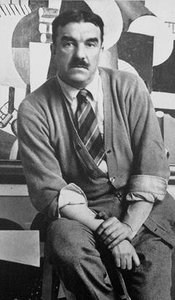
1881 - 1955 , Франція

Відкрийте для себе 10 знакових творів мистецтва, що втілюють дух сучасності! Ван Гог, Пікассо, Моне та інші – історія, техніка та натхнення. Репродукції картин преміум-класу для вашого дому від Most-Famous-Paintings.com. Дослідіть колекцію онлайн!

Відкрийте для себе 10 шедеврів мистецтва, що передають дух індустріальної епохи! Дізнайтесь історії Моне, Піссаро та інших художників. Репродукції картин в стилі лофт – ідеальний декор для вашого дому від Most-Famous-Paintings.
Відкрийте 25 культових робіт Кацусіки Хокусая! Гравюри укійо-е, легендарна "Хвиля", пейзажі Фудзі та неймовірний світ японського мистецтва. Репродукції картин преміум-класу для вашого дому на Most-Famous-Paintings.com.

Explore the captivating world of realism in art history! Discover iconic street scenes & genre paintings from masters like Courbet & Brown. Expert analysis & museum-quality reproductions at Most-Famous-Paintings.

Відкрийте для себе 25 легендарних шедеврів MoMA: Ван Гог, Пікассо, Ворхол та інші. Історія мистецтва, техніки живопису та натхнення для вашого дому від Most-Famous-Paintings.com. Дослідіть колекцію онлайн!


Будьте в курсі останніх новин зі світу мистецтва, ексклюзивних пропозицій та ідей для декорування.
Розкажіть нам про свій проєкт, і наші експерти з мистецтва підготують для вас 3 персоналізовані пропозиції щодо творів мистецтва.
Дозвольте нам підібрати 3 варіанти спеціально для вас — безкоштовно!


 Переглянути в інтер'єрі
 Надіслати
 Поділитися
 Деталі

 Завантажити
 Схожі експонати
 Рентгенівське дослідження
 Слайд-шоу

 Читати далі







 Скляний варіант доступний лише для розмірів до 110 см


