x

Написана вручну олією на полотні у вашому розмірі та рамі, виготовлена на замовлення нашими художниками. ( Замовити принт Купити цифрове зображення)
Обирайте з наших стандартних розмірів, що відповідають оригінальним пропорціям твору мистецтва.

Ви можете вказати власні розміри, щоб репродукція ідеально підійшла до конкретної рами або інтер'єру. Якщо вибраний вами розмір не відповідає пропорціям оригіналу, ми або обріжемо полотно, або доповнимо картину додатковими елементами, промальованими вручну. Цифровий макет буде надіслано вам на затвердження перед початком виробництва.
Зверніть увагу, що попередній перегляд на екрані не відображає фактичне обрізання або розширення зображення. Тільки макет точно покаже остаточну композицію.
Хоча ми можемо виготовити виріб у нестандартному розмірі, для збереження оригінальних пропорцій рекомендуємо обирати варіанти зі встановленого списку.
Доставка по всьому світу () за 3–4 тижні замість стандартних 5 тижнів. (19 Серпень). Без жодних компромісів у якості.


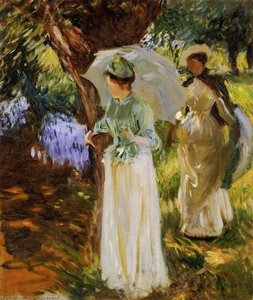
Untitled (AQZVBQ)
Розмір репродукції

Frits Jansen (1856-1928) stands as a significant, yet often underappreciated, figure in the landscape of late 19th and early 20th century Dutch art. Born in The Hague, his artistic journey wasn’t one of formal academic training but rather a deeply personal exploration fueled by observation and an innate sensitivity to light and atmosphere. While he initially studied at the Hague Academy of Arts, Jansen quickly realized that traditional instruction didn't align with his vision, leading him to pursue independent study and develop a distinctive style characterized by poetic realism and a profound understanding of color.
Jansen’s early works were largely focused on capturing the everyday life of Dutch citizens – scenes of market days, leisurely gatherings in public squares, and intimate portraits. However, it was his depictions of New York City during the winter months that truly cemented his reputation. These paintings, often rendered in muted tones and layered with snow, captured a melancholic beauty, reflecting both the grandeur and the isolation of urban life. He wasn’t simply documenting a city; he was conveying an emotional response to its atmosphere – a sense of quiet contemplation amidst bustling activity.
Jansen's artistic development reveals a fascinating interplay between influences. While firmly rooted in the Dutch tradition, particularly the realism championed by artists like Anton Mauve, he was deeply impacted by the burgeoning Impressionist movement in France. The emphasis on capturing fleeting moments of light and color, as seen in the works of Monet and Renoir, is evident in Jansen’s approach to depicting atmospheric effects. Furthermore, elements of Symbolism – a fascination with mood, emotion, and subjective experience – subtly permeate his work, particularly in his use of symbolism and evocative imagery.
He was also influenced by the works of artists like Albert Pinkham Ryder, whose moody landscapes and exploration of light and shadow resonated deeply with Jansen’s own artistic sensibilities. Jansen's ability to translate these influences into a uniquely personal style is what sets his work apart – he didn’t merely imitate; he absorbed and reinterpreted, creating something entirely new.
Jansen’s technique was characterized by meticulous observation and a masterful control of color. He employed a layered approach to painting, building up tones gradually through numerous thin glazes – a method that allowed him to achieve remarkable luminosity and depth. His use of light was particularly noteworthy; he wasn't interested in simply representing the appearance of light but rather conveying its emotional impact on the scene. He often worked *en plein air* (outdoors) to directly observe and capture the nuances of natural light.
Texture played a crucial role in his work, too. He skillfully rendered the rough surfaces of cobblestone streets, the glistening snowdrifts, and the folds of clothing with remarkable detail. His brushwork was often loose and expressive, contributing to the overall sense of atmosphere and movement. The combination of these elements – light, color, and texture – created paintings that were both visually stunning and emotionally resonant.
Among Jansen’s most celebrated works are his series of winter scenes in New York City, including “A Winter Afternoon” (1897) and "Snowy Street" (1898). These paintings, now housed in prominent museums worldwide, exemplify his mastery of atmospheric realism. He also produced a significant body of work depicting Dutch landscapes and portraits, showcasing his versatility as an artist.
Despite not achieving widespread fame during his lifetime, Frits Jansen’s legacy has grown steadily over the years. His paintings are now recognized for their poetic beauty, emotional depth, and technical brilliance. He is considered a key figure in the development of Dutch realism and a significant contributor to the broader European art scene. His work continues to inspire artists today with its evocative portrayal of light, atmosphere, and the human experience.


Будьте в курсі останніх новин зі світу мистецтва, ексклюзивних пропозицій та ідей для декорування.
Розкажіть нам про свій проєкт, і наші експерти з мистецтва підготують для вас 3 персоналізовані пропозиції щодо творів мистецтва.
Дозвольте нам підібрати 3 варіанти спеціально для вас — безкоштовно!


 Переглянути в інтер'єрі
 Надіслати як листівку
 Поділитися
 Детальніше

 Завантажити
 Схожі експонати
 Рентгенівське дослідження
 Слайд-шоу
 Читати далі




































 Скляний варіант доступний лише для розмірів до 110 см