


x


 Замовити репродукцію Купити цифрове зображення
 Надіслати
 Деталі витвору
 Додати до улюблених
 Завантажити
 Схожі вироби
 Рентгенівське дослідження
 Слайд-шоу
 Акрил на полотніНастінний декорGeorges Braque
 1949Модерн і сучасне мистецтво
 144.0 x 174.0 cm
Музейна якість друку جيкле або на полотні з оперативним виготовленням та різноманітними варіантами фінішної обробки.





























Обирайте з наших стандартних розмірів, що відповідають оригінальним пропорціям твору мистецтва.

Ви можете вказати власні розміри, щоб репродукція ідеально підійшла до конкретної рами або інтер'єру. Якщо обраний вами розмір не відповідає пропорціям оригіналу, ми або обріжемо полотно, або розширимо зображення за допомогою дзеркального відображення чи суцільної заливки країв. Перед початком виробництва вам буде надіслано цифровий макет для затвердження.
Будь ласка, зверніть увагу, що попередній перегляд на екрані не відображає фактичне обрізання або розширення. Тільки макет точно покаже фінальну композицію.
Хоча можливість замовлення індивідуальних розмірів доступна, ми рекомендуємо обирати формат із попередньо визначеного списку, щоб зберегти оригінальні пропорції.
Доставка по всьому світу () за 2 тижні замість стандартних 4/5 тижнів. (19 Липень)


The Studio (V)
Розмір репродукції
Georges Braque's 1949 masterpiece, *The Studio (V)*, is not merely a painting; it’s an excavation of perception itself. Measuring 144 x 174 cm, the canvas pulsates with a subdued energy, a quiet chaos born from layered forms and a restricted palette of dark browns, blacks, and restrained reds. To stand before this work – or even to deeply contemplate its reproduction – is to enter a space where traditional notions of representation dissolve, replaced by a compelling exploration of how we *know* rather than simply *see*. Braque doesn’t offer us a window onto reality; he presents us with the very building blocks of visual experience, fractured and reassembled in a dynamic interplay of geometric shapes. The artwork feels less like a depiction of an interior or cityscape, and more like a distillation of their essence – the feeling of enclosure, the density of modern life, the weight of accumulated memory.
Braque, alongside Pablo Picasso, irrevocably altered the course of art history with the advent of Cubism in the early 20th century. *The Studio (V)* isn’t a late-life imitation of past glories; it's a testament to his unwavering commitment to this revolutionary style, even as he continued to refine and evolve its principles. The rejection of traditional perspective is paramount here. Braque masterfully presents multiple viewpoints simultaneously, not through illusionistic techniques, but through a deliberate fragmentation of form. This isn’t simply about breaking down objects; it's about acknowledging the inherent complexity of perception itself. The technique employed – a meticulous collage and layering of materials likely including paper, paint, and potentially fabric or cardboard – adds another dimension to this exploration. It’s as if Braque is building up the surface of the canvas, creating a tactile depth that mirrors the layered nature of experience. The angularity of lines and the deliberate disruption of form aren't arbitrary choices; they are fundamental to Cubism’s ambition: to represent not what things *look* like, but what we *know* them to be – a composite of observed facets.
Created in the aftermath of World War II, *The Studio (V)* resonates with the profound sense of disruption that permeated the postwar world. Traditional notions of order and stability had been shattered, and Braque’s fragmented aesthetic serves as a powerful visual metaphor for this upheaval. Yet, despite its inherent complexity, the painting doesn't scream or demand attention; it invites quiet contemplation. The subdued lighting and strong shadows enhance the sense of depth within the fractured composition, drawing the viewer into an intimate dialogue with the artwork. While titled “The Studio,” the ambiguity of the subject matter is crucial to Braque’s intent. Are we looking at a painter's workspace – canvases, furniture, tools scattered across the floor? Or are these fragmented forms suggestive of a densely packed urban landscape? The answer, perhaps, is both and neither. It’s this deliberate elusiveness that elevates *The Studio (V)* beyond mere representation, transforming it into an exploration of space, perception, and the very act of painting itself. The layering of materials can be interpreted as the accumulation of memories and impressions, a visual record of lived experience.
Жорж Брак народився 13 травня 1882 року в Аржантей, передмісті Парижа, Франція. Його батько був ремісником-декоратором, що сформувало його раннє художнє бачення та любов до форми та структури. Хоча спочатку він продовжував сімейну справу, Брак також навчався живопису у вечірні години в École supérieure d'art et design Le Havre-Rouen, попередньо відома як École supérieure des Arts у Гавре, починаючи з 1897 року. У Парижі він проходив стажування у декоратора та отримав сертифікат у 1902 році. Наступного року він відвідував Академію Humbert також у Парижі і писав там до 1904 року. Саме тут він зустрів художників Марі Ларенцин та Франсіса Пікаба, що заклало основу для його ранньої творчості.
Найбільш значущою подією в житті Брока стало побачення з художнім групою «Фавви» у 1905 році. Фавви, що включали Генрі Матісса та Андре Дерена, використовували яскраві кольори та експресивні форми, щоб передати емоції та створити новий тип мистецтва. Брак був одним із найяскравіших представників цього руху, експериментуючи з насиченими барвами та спрощеними лініями. Його ранні роботи відображають вплив імпресіонізму та постімпресіонізму, але Фавізм пробудив у Брока новий творчий потяг до свободи та інновацій.
У 1907 році Брак був вражений виставкою робіт Павла Cézanne, що вплинуло на його художню свідомість. Cézanne підкреслив важливість геометричних форм та багатогранних перспектив, що стало основою для кубістського стилю Брока та Пікассо. У 1908 році вони почали спільну роботу над кубізмом, розбиваючи об'єкти на фрагменти геометричних фігур і представляючи кілька точок зору одночасно. Найвідомішою роботою цього періоду є картина «Будинки в Л'Естак», яка демонструє радикальний відхід від традиційної перспективи та фокус на внутрішній структурі форми.
Брак продовжував експериментувати з різними матеріалами та техніками, розширюючи можливості мистецтва та впливаючи на майбутніх художників. Його творчість стала основою для розвитку кубізму та інших сучасних напрямків мистецтва, а його новаторські погляди на світ та форму продовжують захоплювати глядачів і дослідників досі. Брак залишився вірним своїм принципам та інтересам до кінця життя, залишаючи після себе багату спадщину у світі мистецтва.
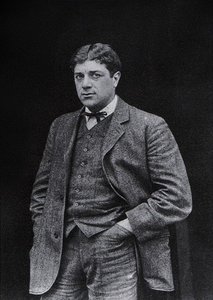
1882 - 1963 , Франція
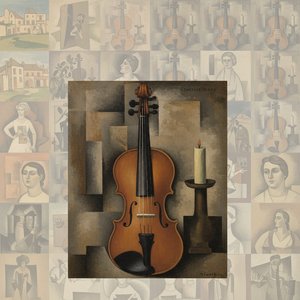
Відкрийте для себе 25 найвідоміших шедеврів Жоржа Брака! Пориньте у світ кубізму, аналізуйте кольори та техніку легендарного французького художника. Репродукції картин Брак для вашого дому – на Most-Famous-Paintings.com
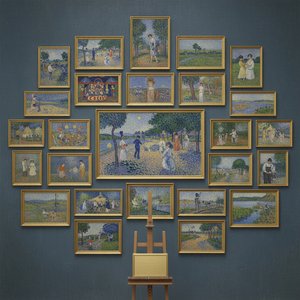
Відкрийте світ Жоржа Сера! 25 культових картин імпресіонізму та пуантилізму. Історія мистецтва, унікальні техніки живопису та натхнення для декору вашого дому. Купуйте репродукції картин Сера високої якості на Most-Famous-Paintings.com!
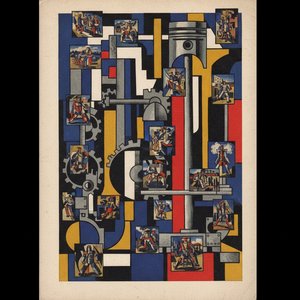
Відкрийте для себе 25 шедеврів Фернана Леже – піонера кубізму та тубізму! Історія мистецтва, кольори та форми машинного віку. Репродукції картин високої якості від Most-Famous-Paintings.com. Дослідіть повну колекцію онлайн!
Відкрийте для себе 25 найвідоміших шедеврів Василя Кандинського! Пориньте у світ абстрактного мистецтва, експресіонізму та кольорових композицій. Репродукції картин Кандинського преміум-якості на Most-Famous-Paintings.com – для вашого інтер'єру з душею. Дослідіть повну колекцію онлайн!

Відкрийте для себе 25 найвідоміших шедеврів Метрополітен-музею! Історія мистецтва від Ван Гога до Моне. Репродукції картин онлайн – надихайтесь та створіть власний розкішний інтер'єр з Most-Famous-Paintings.com.


Будьте в курсі останніх новин зі світу мистецтва, ексклюзивних пропозицій та ідей для декорування.
Розкажіть нам про свій проєкт, і наші експерти з мистецтва підготують для вас 3 персоналізовані пропозиції щодо творів мистецтва.
Дозвольте нам підібрати 3 варіанти спеціально для вас — безкоштовно!


 Поділитися

 Розгорнути текст







 Скляний варіант доступний лише для розмірів до 110 см


