x

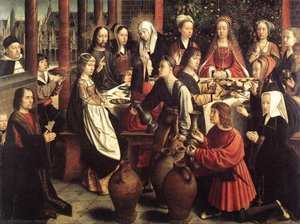
 Oil On PanelEarly Netherlandish Renaissance
 1490
1490 88.0 x 56.0 cm
 Музей Тиссена-Борнмизеса
Придбайте цифрову копію високої роздільної здатності з покращеною якістю, що значно перевершує онлайн-перегляд.
Кожен файл ретельно підготовлений нашими фахівцями за допомогою сучасних інструментів та професійної ручної ретуші. Ми гарантуємо виняткову чіткість, точну передачу кольору та високу деталізацію кожного зображення.
Фінальний файл надсилається електронною поштою протягом 72 годин і оптимізований для негайного використання у професійних виданнях та друкованих матеріалах. Таку якість обирають провідні дизайнерські студії, видавництва та галереї.
Завантажте файл високої роздільної здатності для особистого використання, друку та творчих проєктів. ( Замовити принт Замовити репродукцію ручної роботи)
Обираючи Most-Famous-Paintings.com, ви отримуєте не просто зображення — ви отримуєте професійно вдосконалений цифровий витвір мистецтва, створений з надзвичайною точністю та підкріплений гарантією задоволення. Ось усе, що автоматично додається до вашого замовлення:

Ваш цифровий файл із зображенням високої роздільної здатності буде надісланий вам електронною поштою протягом 72 годин після оформлення замовлення — він буде готовий до негайного використання.

Ваш витвір мистецтва професійно оптимізовано за допомогою передових інструментів штучного інтелекту та ручної корекції, що забезпечує максимальну деталізацію, чіткість і точність передачі кольорів.

Випадково видалили або втратили файл? Не хвилюйтеся — ми надішлемо його вам повторно в будь-який час безкоштовно.

Насолоджуйтесь вашим витвором мистецтва миттєво без жодних мит, зборів або плати за доставку — цифрові завантаження завжди не оподатковуються.

Ми гарантуємо максимально точне відтворення оригінальних кольорів на вашому цифровому зображенні завдяки використанню професійних інструментів та систем управління кольором.

Якщо ви не задоволені придбаним цифровим зображенням, ми відкоригуємо його або повернемо 100% вартості протягом 60 днів — без жодних запитань.

Не задоволені покупкою? Отримайте повне повернення коштів протягом 60 днів після отримання цифрового файлу — без жодних запитань.

Купуйте 3 зображення — заощаджуйте 10% — Купуйте 5 — заощаджуйте 15% — Купуйте 10+ — заощаджуйте 20%. Чудово підходить для творчих проєктів, галерей та агентств.
Gerard David's "Crucifixion," painted around 1490, isn’t merely a depiction of a pivotal biblical event; it’s an immersive experience—a profound meditation on sacrifice, sorrow, and the enduring promise of redemption. This oil-on-panel masterpiece, now housed within the Metropolitan Museum of Art in New York, stands as a testament to David's mastery of color, composition, and his ability to infuse religious iconography with a deeply human sensibility. Unlike many depictions of Christ’s suffering that emphasize dramatic violence, David presents a scene imbued with quiet contemplation, inviting viewers into a space of solemn reverence.
The painting immediately draws the eye to the central figure of Jesus, suspended on the cross. His posture is not one of agonizing struggle, but rather of serene acceptance—a subtle shift in perspective that speaks volumes about David’s artistic vision. Below him unfolds a carefully orchestrated tableau: Mary, her face etched with grief, kneels in mourning; John the Apostle stands as a witness, his expression a blend of sorrow and devotion; and a gathering of townspeople, rendered with remarkable realism, observe the event with varying degrees of shock and despair. The inclusion of Saint Jerome, identifiable by his beard and scroll, adds another layer of symbolic depth, suggesting the painting’s genesis from scripture—a visual interpretation of the Gospel narrative.
David's genius lies not only in his compositional skill but also in his masterful manipulation of color. He employs a restrained palette dominated by earthy tones – ochres, browns, and muted reds – creating an atmosphere of somber dignity. However, within this subdued range, he introduces subtle shifts in hue that draw the eye and heighten emotional impact. The stark white of Christ’s garments provides a striking contrast against the dark background, emphasizing his vulnerability and sacrifice. The use of gold leaf accents—particularly around the central figure—adds a touch of sacred radiance, elevating the scene to a realm of spiritual significance.
Technically, David demonstrates an exceptional understanding of oil paint. The application is meticulous, layering colors to achieve rich textures and subtle gradations of tone. The smooth surfaces belie the painstaking effort involved, while the carefully rendered fabric folds and rougher textures in the landscape—a rolling vista with a distant city—suggest a deep engagement with the natural world. Perspective is relatively shallow, characteristic of the period, prioritizing emotional impact over strict adherence to linear perspective rules. This choice contributes to the painting’s intimate and immersive quality.
“Crucifixion” reflects the artistic currents of the Early Netherlandish Renaissance—a movement characterized by a meticulous attention to detail, a profound interest in realism, and a sophisticated understanding of symbolism. David’s work builds upon the traditions of artists like Hans Memling, while simultaneously pushing boundaries through his innovative use of color and composition. The inclusion of Saint Jerome, for example, is a deliberate reference to the biblical text, inviting viewers to contemplate the theological implications of Christ's sacrifice.
Furthermore, the painting embodies the Renaissance humanist interest in portraying human emotion with honesty and depth. David doesn’t shy away from depicting the sorrow and grief experienced by those present at the crucifixion—a departure from earlier depictions that often focused solely on the spectacle of the event. This emphasis on human experience elevates “Crucifixion” beyond a mere historical illustration, transforming it into a powerful meditation on faith, suffering, and redemption. It’s a work that continues to resonate with viewers centuries after its creation, offering a timeless glimpse into the complexities of the human condition.


1450 - 1523 , Нідерланди


Будьте в курсі останніх новин зі світу мистецтва, ексклюзивних пропозицій та ідей для декорування.
Розкажіть нам про свій проєкт, і наші експерти з мистецтва підготують для вас 3 персоналізовані пропозиції щодо творів мистецтва.
Дозвольте нам підібрати 3 варіанти спеціально для вас — безкоштовно!


 Переглянути в інтер'єрі
 Надіслати як листівку
 Поділитися
 Детальніше

 Завантажити
 Схожі експонати
 Рентгенівське дослідження
 Слайд-шоу
 Читати далі