x

Музейна якість друку جيкле або на полотні з оперативним виготовленням та різноманітними варіантами фінішної обробки. ( Замовити репродукцію ручної роботи Купити цифрове зображення)





























Обирайте з наших стандартних розмірів, що відповідають оригінальним пропорціям твору мистецтва.

Ви можете вказати власні розміри, щоб репродукція ідеально підійшла до конкретної рами або інтер'єру. Якщо обраний вами розмір не відповідає пропорціям оригіналу, ми або обріжемо полотно, або розширимо зображення за допомогою дзеркального відображення чи суцільної заливки країв. Перед початком виробництва вам буде надіслано цифровий макет для затвердження.
Будь ласка, зверніть увагу, що попередній перегляд на екрані не відображає фактичне обрізання або розширення. Тільки макет точно покаже фінальну композицію.
Хоча можливість замовлення індивідуальних розмірів доступна, ми рекомендуємо обирати формат із попередньо визначеного списку, щоб зберегти оригінальні пропорції.
Доставка по всьому світу () за 2 тижні замість стандартних 4/5 тижнів. (18 Серпень)


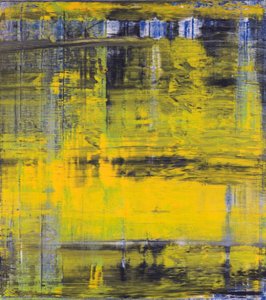
19.3.92
Розмір репродукції
Gerhard Richter’s “19.3.92” isn’t merely a painting; it’s a carefully constructed echo of memory, a meditation on the shifting nature of perception, and a testament to the artist’s masterful manipulation of abstract expressionism. Painted in 1992, this work immediately draws the viewer into a scene both familiar and subtly unsettling – a field ablaze with yellow flowers set against the imposing silhouette of distant mountains. The composition feels deliberately incomplete, as if Richter has captured a fleeting impression rather than striving for photographic realism, mirroring perhaps the fragmented nature of recollection itself. The painting’s power lies not in its literal depiction but in the emotional resonance it evokes – a sense of quiet contemplation mingled with an underlying current of melancholy.
To fully appreciate “19.3.92,” it’s crucial to understand Richter's personal history. Born in Dresden in 1932, his childhood was profoundly shaped by the tumultuous events of World War II and the subsequent division of Germany. His family’s repeated moves during this period instilled a deep sense of displacement and uncertainty – emotions that undoubtedly inform his work. The painting can be seen as an attempt to grapple with these experiences, not through direct narrative but through the evocative language of color and form. The mountains in the background, often interpreted as representing the imposing presence of authority or perhaps even the weight of history, add a layer of complexity to the scene.
The dominant yellow flowers are more than just a decorative element; they symbolize hope, joy, and the fleeting beauty of nature. However, their scattered arrangement and the muted tones of the surrounding landscape suggest a bittersweetness – an awareness that these moments of happiness are often transient. The vastness of the mountains serves as a counterpoint to this intimacy, reminding us of our own smallness in the face of the natural world. “19.3.92” is ultimately a painting about the delicate balance between memory and reality, hope and despair, beauty and loss. It invites viewers to contemplate their own personal histories and the enduring power of human experience.


1932 - , Німеччина

Explore the profound history and emotional depth of Abstract Expressionism. From Jackson Pollock to Mark Rothko, master the nuances of the New York School through our expert art history guide. Discover museum-quality hand-painted reproductions for your collection.


Будьте в курсі останніх новин зі світу мистецтва, ексклюзивних пропозицій та ідей для декорування.
Розкажіть нам про свій проєкт, і наші експерти з мистецтва підготують для вас 3 персоналізовані пропозиції щодо творів мистецтва.
Дозвольте нам підібрати 3 варіанти спеціально для вас — безкоштовно!


 Переглянути в інтер'єрі
 Надіслати як листівку
 Поділитися
 Детальніше

 Завантажити
 Схожі експонати
 Рентгенівське дослідження
 Слайд-шоу

 Читати далі







 Скляний варіант доступний лише для розмірів до 110 см