


x

Написана вручну олією на полотні у вашому розмірі та рамі, виготовлена на замовлення нашими художниками. ( Замовити принт Купити цифрове зображення)





























Обирайте з наших стандартних розмірів, що відповідають оригінальним пропорціям твору мистецтва.

Ви можете вказати власні розміри, щоб репродукція ідеально підійшла до конкретної рами або інтер'єру. Якщо вибраний вами розмір не відповідає пропорціям оригіналу, ми або обріжемо полотно, або доповнимо картину додатковими елементами, промальованими вручну. Цифровий макет буде надіслано вам на затвердження перед початком виробництва.
Зверніть увагу, що попередній перегляд на екрані не відображає фактичне обрізання або розширення зображення. Тільки макет точно покаже остаточну композицію.
Хоча ми можемо виготовити виріб у нестандартному розмірі, для збереження оригінальних пропорцій рекомендуємо обирати варіанти зі встановленого списку.
Доставка по всьому світу () за 3–4 тижні замість стандартних 5 тижнів. (21 Серпень). Без жодних компромісів у якості.


Полум'я
Розмір репродукції
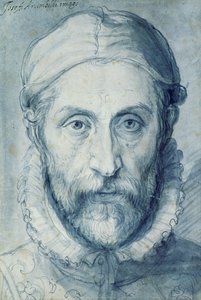
Giuseppe Arcimboldo, a true visionary of the Renaissance, possessed an extraordinary ability to transform the mundane into the magnificent. His art wasn’t merely about representation; it was a carefully constructed dialogue between reality and symbolism, inviting viewers to contemplate profound questions about life, death, and the nature of existence. “The Fire,” one of his most arresting works, exemplifies this approach perfectly – a captivating tableau that pulsates with both visual drama and intellectual depth. This isn’t simply a painting; it's an experience, a journey into a world where objects become messengers, and stillness holds a potent energy.
At first glance, “The Fire” presents a seemingly chaotic assemblage. An ornate, gilded platform, reminiscent of both a classical pedestal and a complex mechanical wheel, dominates the scene. From its apex erupts a furious blaze – flames and smoke that seem to writhe with an almost palpable intensity. But beneath this dramatic spectacle lies a meticulously orchestrated composition. Arcimboldo has carefully arranged a diverse collection of objects upon the platform: fragments of ancient artifacts, weathered tools, delicate flowers, and even remnants of everyday life. Each element is rendered with astonishing detail, showcasing the artist’s mastery of oil painting technique. The vertical orientation draws the eye directly into the heart of the inferno, while the frontal perspective creates a sense of immediacy, as if we are witnessing this transformative event firsthand.
The symbolism woven throughout “The Fire” is rich and layered. The flames themselves represent not just literal fire, but also the forces of transformation, destruction, and renewal – a core concept in Arcimboldo’s oeuvre. The objects arranged upon the platform speak volumes about the fleeting nature of earthly possessions and the inevitability of decay. Consider the carefully chosen relics and tools; they whisper tales of bygone eras, reminding us that all things eventually succumb to time. The overall effect is profoundly melancholic yet strangely hopeful, suggesting a cyclical process where destruction paves the way for rebirth. The painting resonates with themes explored in Renaissance art – particularly those concerning mortality and the human condition – echoing the fascination with riddles and allegories prevalent during that period.
Arcimboldo's technical skill is breathtaking. He employs a remarkably precise brushwork, capturing the reflective surfaces of polished objects with exquisite detail and rendering the luminous glow of the flames with masterful control. The dramatic use of lighting – fiery highlights juxtaposed against a deep, almost black background – intensifies the sense of movement and drama. The impasto technique, where paint is applied thickly to create texture, adds a tactile quality to the work, inviting viewers to reach out and feel the surface. This combination of meticulous realism with surreal, allegorical content creates a visual impact that is both captivating and intellectually stimulating. It’s a testament to Arcimboldo's genius that he could seamlessly blend these seemingly disparate elements into a cohesive and profoundly moving whole.
(Note: Further information about this artwork can be found at WGA and Most-Famous-Paintings.)

1527 - 1593 , Італія

Explore the rich history & techniques of oil painting – from Renaissance masters to Impressionism. Discover pigments, layering methods, and why this timeless medium endures. Expert insights for artists & art enthusiasts.

Explore the rich history & enduring techniques of oil painting with Most-Famous-Paintings. Discover masterpieces, learn about art collecting, and find authentic handmade reproductions crafted by skilled artists.

Explore the rich history & enduring techniques of oil painting on canvas. Discover the science behind its longevity, conservation practices, and contemporary relevance. Expert insights for art enthusiasts.
Відкрийте для себе 10 легендарних творів олією на дошці від Van Gogh, Monet та інших геніїв! Історія мистецтва, техніки живопису та емоційний вплив шедеврів. Репродукції картин преміум-класу для вашого інтер'єру – Most-Famous-Paintings.

Дізнайтеся про вікову історію олійного живопису, техніки майстрів та сучасні тенденції. Відкрийте світ класичного мистецтва та натхнення для власної творчості!


Будьте в курсі останніх новин зі світу мистецтва, ексклюзивних пропозицій та ідей для декорування.
Розкажіть нам про свій проєкт, і наші експерти з мистецтва підготують для вас 3 персоналізовані пропозиції щодо творів мистецтва.
Дозвольте нам підібрати 3 варіанти спеціально для вас — безкоштовно!


 Переглянути в інтер'єрі
 Надіслати як листівку
 Поділитися
 Детальніше

 Завантажити
 Схожі експонати
 Рентгенівське дослідження
 Слайд-шоу

 Читати далі







 Скляний варіант доступний лише для розмірів до 110 см


