x

Музейна якість друку جيкле або на полотні з оперативним виготовленням та різноманітними варіантами фінішної обробки. ( Замовити репродукцію ручної роботи Купити цифрове зображення)





























Обирайте з наших стандартних розмірів, що відповідають оригінальним пропорціям твору мистецтва.

Ви можете вказати власні розміри, щоб репродукція ідеально підійшла до конкретної рами або інтер'єру. Якщо обраний вами розмір не відповідає пропорціям оригіналу, ми або обріжемо полотно, або розширимо зображення за допомогою дзеркального відображення чи суцільної заливки країв. Перед початком виробництва вам буде надіслано цифровий макет для затвердження.
Будь ласка, зверніть увагу, що попередній перегляд на екрані не відображає фактичне обрізання або розширення. Тільки макет точно покаже фінальну композицію.
Хоча можливість замовлення індивідуальних розмірів доступна, ми рекомендуємо обирати формат із попередньо визначеного списку, щоб зберегти оригінальні пропорції.
Доставка по всьому світу () за 2 тижні замість стандартних 4/5 тижнів. (15 Серпень)


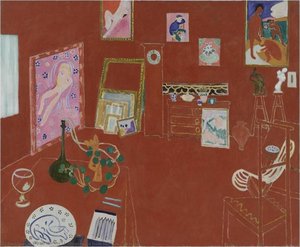
untitled (293)
Розмір репродукції
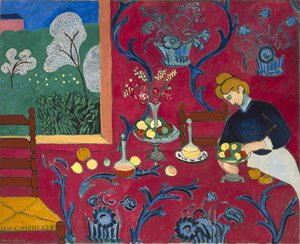
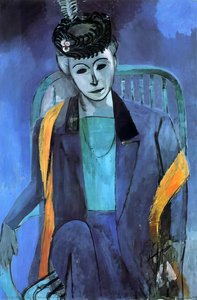
Henri Matisse's "Untitled (293)" isn’t merely a portrait; it’s an invitation into the heart of a moment, a carefully constructed tableau brimming with understated elegance and profound psychological depth. Painted around 1909-1910, during his pivotal period as a Fauvist, this work exemplifies Matisse's revolutionary approach to color and form – a deliberate departure from academic tradition that would forever alter the course of modern art. The painting depicts a woman seated at a table, bathed in a soft, diffused light, her gaze directed slightly off-camera, creating an immediate sense of intimacy and quiet contemplation. She is adorned with a simple red headband, a vibrant splash against the predominantly cool tones of her blue dress, immediately drawing the eye and establishing a focal point within the composition.
Matisse’s genius lies not just in his subject matter but in his masterful manipulation of color. He eschews naturalistic representation, instead employing hues with an almost palpable intensity – deep blues, muted greens, and delicate pinks—to evoke mood and atmosphere rather than literal accuracy. The red headband isn't simply a decorative element; it’s a deliberate injection of energy and passion into the scene, acting as a visual counterpoint to the woman’s serene demeanor. Notice how he uses color not to describe, but to *feel*, creating an emotional resonance that transcends mere depiction.
To understand “Untitled (293),” one must grasp the context of the Fauvist movement, which emerged in France around 1905. Artists like Matisse, André Derain, and Maurice de Vlaminck rebelled against the constraints of Impressionism, rejecting realistic representation in favor of bold, arbitrary color choices. They sought to express their subjective emotions through vibrant hues, often using colors that were not found naturally together – a hallmark of Fauvist painting. Matisse’s early works, including this portrait, demonstrate his exploration of these principles, pushing the boundaries of color theory and challenging conventional notions of beauty.
The influence of Japanese prints is also evident in Matisse's work during this period. The flattened perspective, simplified forms, and emphasis on decorative patterns—particularly in the background with its scattered flowers—are all borrowed from Ukiyo-e woodblock prints. However, Matisse doesn’t simply copy; he adapts these influences to create a distinctly personal style, imbuing them with his own emotional intensity.
While seemingly straightforward, “Untitled (293)” is rich in symbolic potential. The woman herself remains enigmatic, her expression carefully controlled—a subtle hint of melancholy or introspection. The table she occupies suggests a moment of pause, perhaps reflection or contemplation. The flowers scattered around the scene could represent beauty, fragility, and the fleeting nature of life – themes frequently explored by Matisse. Some art historians suggest that the woman may be a self-portrait in disguise, reflecting Matisse’s own evolving understanding of identity and artistic expression.
The inclusion of the brush or palette (implied by her posture) subtly references Matisse's own profession as an artist, creating a meta-narrative within the painting. It speaks to the creative process itself—the act of observation, selection, and application that defines his art. The composition feels deliberately balanced, with the woman occupying the central space while the background elements provide visual interest without overwhelming the primary subject.
"Untitled (293)" remains a powerfully evocative work of art, demonstrating Matisse’s mastery of color, composition, and psychological insight. Most-Famous-Paintings offers meticulously crafted hand-painted reproductions that faithfully capture the essence of this iconic painting. Whether you're an avid collector, an interior designer seeking to infuse your space with artistic flair, or simply someone captivated by the beauty of Matisse’s vision, our reproduction provides a stunning way to experience this masterpiece firsthand. The vibrant colors and delicate details will bring a touch of timeless elegance and emotional depth to any room.
Explore the full detail and quality of our hand-painted reproduction of “Untitled (293)” at here.


1869 - 1954 , Франція

Explore the profound history of gold leaf and gilding in Byzantine and Renaissance art. Discover how this sacred technique transformed religious iconography into celestial phenomena through light, symbolism, and unparalleled craftsmanship.

Explore the vibrant revolution of Fauvism. Discover how masters like Henri Matisse liberated color from reality to express pure emotion. An expert guide into the 'Wild Beasts' of modern art history for collectors and enthusiasts.


Будьте в курсі останніх новин зі світу мистецтва, ексклюзивних пропозицій та ідей для декорування.
Розкажіть нам про свій проєкт, і наші експерти з мистецтва підготують для вас 3 персоналізовані пропозиції щодо творів мистецтва.
Дозвольте нам підібрати 3 варіанти спеціально для вас — безкоштовно!


 Переглянути в інтер'єрі
 Надіслати як листівку
 Поділитися
 Детальніше

 Завантажити
 Схожі експонати
 Рентгенівське дослідження
 Слайд-шоу
 Читати далі







 Скляний варіант доступний лише для розмірів до 110 см