x

Музейна якість друку جيкле або на полотні з оперативним виготовленням та різноманітними варіантами фінішної обробки. ( Замовити репродукцію ручної роботи Купити цифрове зображення)





























Обирайте з наших стандартних розмірів, що відповідають оригінальним пропорціям твору мистецтва.

Ви можете вказати власні розміри, щоб репродукція ідеально підійшла до конкретної рами або інтер'єру. Якщо обраний вами розмір не відповідає пропорціям оригіналу, ми або обріжемо полотно, або розширимо зображення за допомогою дзеркального відображення чи суцільної заливки країв. Перед початком виробництва вам буде надіслано цифровий макет для затвердження.
Будь ласка, зверніть увагу, що попередній перегляд на екрані не відображає фактичне обрізання або розширення. Тільки макет точно покаже фінальну композицію.
Хоча можливість замовлення індивідуальних розмірів доступна, ми рекомендуємо обирати формат із попередньо визначеного списку, щоб зберегти оригінальні пропорції.
Доставка по всьому світу () за 2 тижні замість стандартних 4/5 тижнів. (18 Серпень)


untitled (4246)
Розмір репродукції
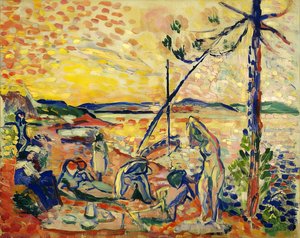
Henri Matisse, a titan amongst Fauvist painters and arguably one of the most influential artists of the 20th century, gifted us with “Untitled (4246),” a landscape that transcends mere depiction—it embodies an ethos of joyful spontaneity and profound artistic vision. Painted sometime between 1937 and 1941 during Matisse’s prolific period in Antibes, France, this artwork isn't simply observed; it’s felt.
The painting presents a hillside vista bathed in the warm hues of Provençal sunlight. Dominating the composition are stylized trees—their trunks rendered in bold strokes of ochre and burnt umber—reaching upwards towards a cerulean sky punctuated by patches of azure and lemon yellow. Beneath this luminous expanse unfolds a tranquil village scene, populated with figures engaged in everyday activities; their forms simplified yet imbued with palpable presence.
Matisse’s stylistic approach—Fauvism—represents a radical departure from Impressionistic conventions. Rejecting the subtle gradations of light and shadow favored by his predecessors, Matisse championed an uncompromising embrace of pure color. He believed that color possessed inherent expressive power, capable of conveying emotion directly to the viewer without mediation.
"Untitled (4246)" exemplifies this principle perfectly. The artist eschews naturalistic pigments, opting instead for vibrant shades—crimson, tangerine, emerald green—that pulsate with energy and vitality. These colors aren’t blended harmoniously; they are juxtaposed boldly against each other, creating a visual dynamism that mirrors the emotional intensity of Matisse's artistic intent.
Matisse meticulously crafted his canvases using tempera paint on canvas—a technique known for its luminosity and durability. He employed a reductive approach to composition, reducing forms to their essential outlines while prioritizing color as the primary vehicle of artistic communication. The deliberate flattening of perspective contributes to the painting’s dreamlike quality, inviting contemplation rather than demanding detailed observation.
Notice how Matisse skillfully uses repetition—the stylized trees appearing multiple times throughout the scene—to reinforce visual rhythm and create a sense of unity. Furthermore, the placement of figures strategically anchors the composition, guiding the viewer's gaze across the landscape and enhancing its overall impact.
"Untitled (4246)" speaks to Matisse’s broader artistic philosophy—a desire to capture not just what is seen but what is felt. The hillside setting symbolizes tranquility and refuge from the anxieties of wartime Europe, mirroring Matisse's own personal experience during World War II.
More profoundly, however, the painting embodies Matisse’s belief in the transformative power of art. By immersing himself in color and form, he sought to liberate his imagination and express joy—a sentiment that radiates outwards from the canvas itself. This artwork remains a testament to Matisse's unwavering conviction that beauty could serve as an antidote to despair.


1869 - 1954 , Франція
Відкрийте для себе 25 найвідоміших шедеврів Анрі Матісса! Дізнайтесь історію фавізму, колірних рішень та унікального стилю художника. Репродукції картин Матісса для вашого дому – на Most-Famous-Paintings.com. Дослідіть колекцію онлайн!

Відкрийте для себе 10 шедеврів Фавізму від Матісса, Дерена та інших! Дізнайтесь історію яскравих полотен, що змінили мистецтво. Купуйте репродукції картин преміум-якості на Most-Famous-Paintings.com.
Відкрийте для себе 10 шедеврів фовізму від Матісса, Дерена та інших! Історія створення, яскраві кольори та вплив на мистецтво. Репродукції картин преміум-якості для вашого інтер'єру – Most-Famous-Paintings.com
Відкрийте для себе 10 найвідоміших пейзажів в історії мистецтва! Ван Гог, Моне та інші майстри. Репродукції картин високої якості від Most-Famous-Paintings – натхнення для вашого дому. Дослідіть колекцію онлайн!

Explore the serene landscapes of Henri-Joseph Harpignies, a master of the Barbizon School. Discover his atmospheric paintings, recurring themes & enduring legacy in 19th-century French art. Learn more at Most-Famous-Paintings.


Будьте в курсі останніх новин зі світу мистецтва, ексклюзивних пропозицій та ідей для декорування.
Розкажіть нам про свій проєкт, і наші експерти з мистецтва підготують для вас 3 персоналізовані пропозиції щодо творів мистецтва.
Дозвольте нам підібрати 3 варіанти спеціально для вас — безкоштовно!


 Переглянути в інтер'єрі
 Надіслати як листівку
 Поділитися
 Детальніше

 Завантажити
 Схожі експонати
 Рентгенівське дослідження
 Слайд-шоу
 Читати далі







 Скляний варіант доступний лише для розмірів до 110 см