x


 Замовити друк Замовити репродукцію
 Надіслати
 Деталі витвору
 Додати до улюблених
 Завантажити
 Схожі вироби
 Рентгенівське дослідження
 Слайд-шоу
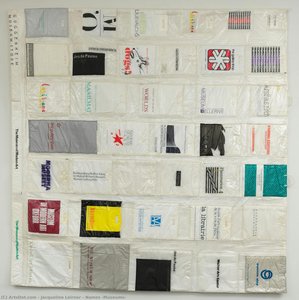
 1973
1973 73.0 x 102.0 cm
 THAT'S CONTEMPORARY
Придбайте цифрову копію високої роздільної здатності з покращеною якістю, що значно перевершує онлайн-перегляд.
Кожен файл ретельно підготовлений нашими фахівцями за допомогою сучасних інструментів та професійної ручної ретуші. Ми гарантуємо виняткову чіткість, точну передачу кольору та високу деталізацію кожного зображення.
Фінальний файл надсилається електронною поштою протягом 72 годин і оптимізований для негайного використання у професійних виданнях та друкованих матеріалах. Таку якість обирають провідні дизайнерські студії, видавництва та галереї.
Завантажте файл високої роздільної здатності для особистого перегляду, друку та творчих проєктів.
Обираючи Most-Famous-Paintings.com, ви отримуєте не просто зображення — ви отримуєте професійно вдосконалений цифровий витвір мистецтва, створений з надзвичайною точністю та підкріплений гарантією задоволення. Ось усе, що автоматично додається до вашого замовлення:

Ваш цифровий файл із зображенням високої роздільної здатності буде надісланий вам електронною поштою протягом 72 годин після оформлення замовлення — він буде готовий до негайного використання.

Ваш витвір мистецтва професійно оптимізовано за допомогою передових інструментів штучного інтелекту та ручної корекції, що забезпечує максимальну деталізацію, чіткість і точність передачі кольорів.

Випадково видалили або втратили файл? Не хвилюйтеся — ми надішлемо його вам повторно в будь-який час безкоштовно.

Насолоджуйтесь вашим витвором мистецтва миттєво без жодних мит, зборів або плати за доставку — цифрові завантаження завжди не оподатковуються.

Ми гарантуємо, що ваше цифрове зображення максимально точно відтворює оригінальні кольори завдяки використанню професійних інструментів та систем управління кольором.

Якщо ви не задоволені придбаним цифровим зображенням, ми відкоригуємо його або повернемо 100% вартості протягом 60 днів — без жодних запитань.

Не задоволені покупкою? Отримайте повне повернення коштів протягом 60 днів після отримання цифрового файлу — без жодних запитань.

Купуйте 3 зображення — заощаджуйте 10% — Купуйте 5 — заощаджуйте 15% — Купуйте 10+ — заощаджуйте 20%. Чудово підходить для творчих проєктів, галерей та агентств.

Born in Alkmaar, Netherlands, in 1931, Herman de Vries’s artistic journey is inextricably linked to a profound reverence for the natural world. From his early beginnings exploring the intricacies of plants and seeds – a fascination that began in 1953 – he embarked on a lifelong pursuit to translate the silent eloquence of nature into meticulously crafted visual narratives. De Vries wasn't merely an artist; he was, as he himself described it, a ‘translator,’ seeking to reveal the hidden order within seemingly chaotic natural forms. His work stands apart not just for its technical precision but for its quiet insistence on recognizing the inherent beauty and intelligence embedded in even the smallest botanical detail.
De Vries’s early career was marked by experimentation with various media, including drawing and collage, reflecting a broader engagement with artistic movements of his time. The influence of the Zero group – a collective of Dutch artists pushing boundaries in the late 1950s and early 1960s – is evident in his commitment to simplicity and economy of form. This minimalist approach, coupled with a desire to capture the essence of natural phenomena, became a defining characteristic of his later work. He famously adopted a lowercase style for his name on his artwork, a deliberate choice intended to diminish hierarchy and emphasize the equal importance of the artist and the subject matter – a subtle yet powerful statement about his artistic philosophy.
Moving into the 1970s, De Vries shifted his focus towards directly engaging with natural materials. He began collecting soil samples from around the globe, transforming them into vibrant areas of color that revealed the astonishing diversity hidden beneath our feet. This period marked a significant evolution in his work, moving beyond representation to explore the very materiality of nature itself. His pieces became less about depicting specific plants and more about conveying their fundamental qualities – texture, form, and color – through carefully arranged collections.
De Vries’s technical skill is undeniable. He possessed an almost obsessive attention to detail, meticulously rendering the textures of seeds, the veins of leaves, and the intricate patterns of dried flowers. His works are characterized by a remarkable level of precision, achieved through painstaking observation and patient execution. However, this technical mastery never overshadows the underlying conceptual framework of his art. It’s not simply about accurate representation; it's about revealing the inherent geometry and order within seemingly random natural arrangements.
Consider “Prunus Persica,” a captivating study of twelve nuts and seeds rendered in exquisite detail. The arrangement isn’t arbitrary; it follows a precise geometric pattern, mirroring the underlying structure of the botanical specimens themselves. Similarly, "An Afternoon Under a Cherry Tree" showcases dried leaves arranged in meticulously crafted diptychs – a testament to De Vries's ability to transform ephemeral natural elements into enduring works of art. These pieces demonstrate his mastery of composition and his deep understanding of how form and space interact.
In 1980, De Vries relocated to Eschenau, near Knetzgau, Germany, where he continues to live and work today. This move marked a deepening connection with the landscape and a continued exploration of his core themes. His studio has become a repository for collected natural materials – soil, seeds, leaves, and fragments of wood – each carefully selected and arranged to evoke a sense of wonder and contemplation.
His current work often focuses on disrupted relationships between humanity and nature, reflecting a growing concern about environmental issues. He continues to collect and arrange these elements, not as static representations but as dynamic expressions of the interconnectedness of all things. The artist’s choice to live in Germany has undoubtedly influenced his perspective, allowing him to immerse himself in the rich cultural heritage of the region while maintaining a steadfast commitment to his artistic vision.
Herman de Vries's work has garnered significant recognition within the international art community. His pieces are held in prestigious collections including The Museum of Modern Art in New York, the Stedelijk Museum Schiedam in the Netherlands, and the Victoria and Albert Museum in London. In 2015, he was included in the Venice Biennale, a testament to his enduring influence and artistic merit.
Beyond individual accolades, De Vries’s legacy lies in his profound respect for nature and his ability to translate its complexities into visually arresting works of art. He demonstrated that beauty could be found not only in grand landscapes but also in the smallest details – a single seed, a dried leaf, or a handful of soil. His work serves as a constant reminder of our connection to the natural world and the importance of appreciating its inherent value.

1931 - , Netherlands


Будьте в курсі останніх новин зі світу мистецтва, ексклюзивних пропозицій та ідей для декорування.
Розкажіть нам про свій проєкт, і наші експерти з мистецтва підготують для вас 3 персоналізовані пропозиції щодо творів мистецтва.
Дозвольте нам підібрати 3 варіанти спеціально для вас — безкоштовно!


 Поділитися

 Розгорнути текст