


x

 Олія на полотніНастінне мистецтвоSurrealist Symbolism
 60.0 x 167.0 cm
Придбайте цифрову копію високої роздільної здатності з покращеною якістю, що значно перевершує онлайн-перегляд.
Кожен файл ретельно підготовлений нашими фахівцями за допомогою сучасних інструментів та професійної ручної ретуші. Ми гарантуємо виняткову чіткість, точну передачу кольору та високу деталізацію кожного зображення.
Фінальний файл надсилається електронною поштою протягом 72 годин і оптимізований для негайного використання у професійних виданнях та друкованих матеріалах. Таку якість обирають провідні дизайнерські студії, видавництва та галереї.
Завантажте файл високої роздільної здатності для особистого використання, друку та творчих проєктів. ( Замовити принт Замовити репродукцію ручної роботи)
Обираючи Most-Famous-Paintings.com, ви отримуєте не просто зображення — ви отримуєте професійно вдосконалений цифровий витвір мистецтва, створений з надзвичайною точністю та підкріплений гарантією задоволення. Ось усе, що автоматично додається до вашого замовлення:

Ваш цифровий файл із зображенням високої роздільної здатності буде надісланий вам електронною поштою протягом 72 годин після оформлення замовлення — він буде готовий до негайного використання.

Ваш витвір мистецтва професійно оптимізовано за допомогою передових інструментів штучного інтелекту та ручної корекції, що забезпечує максимальну деталізацію, чіткість і точність передачі кольорів.

Випадково видалили або втратили файл? Не хвилюйтеся — ми надішлемо його вам повторно в будь-який час безкоштовно.

Насолоджуйтесь вашим витвором мистецтва миттєво без жодних мит, зборів або плати за доставку — цифрові завантаження завжди не оподатковуються.

Ми гарантуємо максимально точне відтворення оригінальних кольорів на вашому цифровому зображенні завдяки використанню професійних інструментів та систем управління кольором.

Якщо ви не задоволені придбаним цифровим зображенням, ми відкоригуємо його або повернемо 100% вартості протягом 60 днів — без жодних запитань.

Не задоволені покупкою? Отримайте повне повернення коштів протягом 60 днів після отримання цифрового файлу — без жодних запитань.

Купуйте 3 зображення — заощаджуйте 10% — Купуйте 5 — заощаджуйте 15% — Купуйте 10+ — заощаджуйте 20%. Чудово підходить для творчих проєктів, галерей та агентств.
Hieronymus Bosch’s “Last Judgment, Right Wing,” a monumental panel from his triptych of the same name, isn’t merely a depiction of judgment; it’s an immersive descent into the very architecture of sin and punishment. Painted around 1503-1514, this section of the work offers a visceral glimpse into Bosch's profoundly unsettling vision of humanity’s moral state – a world where earthly pleasures morph into instruments of eternal torment. Born in ’s-Hertogenbosch, Netherlands, during a period of intense religious fervor and burgeoning societal anxieties, Bosch developed a unique artistic language that blended meticulous detail with fantastical imagery, creating scenes both terrifyingly real and profoundly symbolic.
The panel immediately assaults the viewer with its oppressive darkness. A chaotic assembly of figures – some writhing in agony, others passively accepting their fate – is crammed into a bizarre landscape dominated by grotesque structures and unsettling details. The sheer density of bodies, coupled with Bosch’s masterful use of perspective, creates an overwhelming sense of claustrophobia and impending doom. This isn't the serene judgment often portrayed in religious art; it’s a brutal confrontation with our own mortality and the consequences of our choices.
Bosch’s work is renowned for its intricate symbolism, and this section offers a starting point for understanding the panel's complex narrative. The central figure, a towering, almost monstrous being resembling a judge or angel, oversees the proceedings. Beneath him lies a swirling vortex of souls – some ascending to paradise, others plummeting into hell. Notice the meticulously rendered details: the decaying fruit representing earthly temptations, the chained figures symbolizing sin, and the bizarre assortment of animals, each carrying its own symbolic weight. The bird on the left, often interpreted as an angel or a messenger, adds another layer of ambiguity to the scene.
The landscape itself is a key element of Bosch’s symbolism. It's a warped reflection of earthly delights – a lavish banquet overflowing with decadent food and drink, juxtaposed against the stark reality of eternal damnation. The presence of a giant, grotesque tree, laden with fruit, speaks to the corruption of innocence and the allure of worldly pleasures. Even seemingly innocuous details, like the numerous skulls scattered throughout the scene, serve as constant reminders of death and decay.
Bosch's technique is characterized by an extraordinary level of detail and a masterful command of oil paint. He employed a layering technique, building up colors and textures to create a remarkably realistic – albeit disturbing – effect. The figures are rendered with meticulous precision, capturing their expressions of anguish, despair, and resignation. His use of perspective is particularly noteworthy; he creates a sense of depth and spatial complexity that draws the viewer into the scene.
The “Last Judgment” panel was likely commissioned for a private collector or religious institution, possibly in Spain or Austria, reflecting Bosch’s extensive travels throughout his career. It's believed to be part of a larger triptych, with the left wing depicting the Garden of Eden and the right wing portraying Paradise. Understanding this broader context is crucial to appreciating the full scope of Bosch’s vision – a complex meditation on sin, redemption, and the human condition.
Despite its unsettling imagery, “Last Judgment, Right Wing” resonates deeply with viewers centuries after its creation. It taps into our primal fears about death, judgment, and the consequences of our actions. Bosch’s work isn't simply a depiction of hell; it’s an exploration of the darkness within ourselves – the temptations that lead us astray, the sins we commit, and the potential for eternal punishment. The panel serves as a powerful reminder of the importance of moral responsibility and the enduring struggle between good and evil.

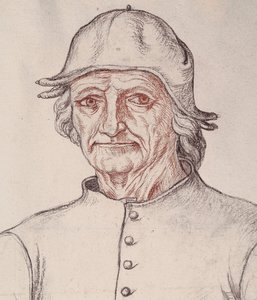
1450 - 1516 , Нідерланди


Будьте в курсі останніх новин зі світу мистецтва, ексклюзивних пропозицій та ідей для декорування.
Розкажіть нам про свій проєкт, і наші експерти з мистецтва підготують для вас 3 персоналізовані пропозиції щодо творів мистецтва.
Дозвольте нам підібрати 3 варіанти спеціально для вас — безкоштовно!


 Переглянути в інтер'єрі
 Надіслати як листівку
 Поділитися
 Детальніше

 Завантажити
 Схожі експонати
 Рентгенівське дослідження
 Слайд-шоу
 Читати далі


