x

Написана вручну олією на полотні у вашому розмірі та рамі, виготовлена на замовлення нашими художниками. ( Купити принт Купити зображення)





























Обирайте з наших стандартних розмірів, що відповідають оригінальним пропорціям твору мистецтва.

Ви можете вказати власні розміри, щоб репродукція ідеально підійшла до конкретної рами або інтер'єру. Якщо вибраний вами розмір не відповідає пропорціям оригіналу, ми або обріжемо полотно, або доповнимо картину додатковими елементами, промальованими вручну. Цифровий макет буде надіслано вам на затвердження перед початком виробництва.
Зверніть увагу, що попередній перегляд на екрані не відображає фактичне обрізання або розширення зображення. Тільки макет точно покаже остаточну композицію.
Хоча ми можемо виготовити виріб у нестандартному розмірі, для збереження оригінальних пропорцій рекомендуємо обирати варіанти зі встановленого списку.
Доставка по всьому світу () за 3–4 тижні замість стандартних 5 тижнів. (12 Серпень). Без жодних компромісів у якості.


Drawing 9
Розмір репродукції
“Drawing 9,” a remarkably intimate study executed by John Singer Sargent around 1913, offers a profound glimpse into the artist's meticulous process and his masterful ability to capture both physical form and intense emotion. This monochrome drawing, rendered primarily in charcoal with subtle graphite shading, depicts a scene of arresting drama – a figure seemingly falling from the heavens while another reaches out in desperate attempt at rescue. More than just a sketch, it’s a concentrated distillation of Sargent's artistic concerns: his fascination with movement, anatomy, and the evocative power of light and shadow.
The circular format immediately draws the viewer into the scene, creating an almost theatrical effect. The composition is dominated by two figures locked in a dynamic struggle. One, powerfully rendered with strong, confident lines, appears to be plummeting downwards, suggesting Icarus’s legendary fall – a potent symbol of hubris and the consequences of defying limits. The other figure, positioned below, reaches upwards with outstretched arms, embodying a primal instinct for protection or perhaps futile hope. Sargent skillfully uses overlapping forms and variations in line weight to establish depth, guiding the eye across the confined space and intensifying the sense of urgency.
Sargent’s technical prowess is immediately evident in the drawing's execution. The artist employs extensive hatching and cross-hatching – a technique he frequently utilized – to build up volume and texture, particularly in the depiction of the falling figure’s wings and clothing. Notice how the lines aren’t uniform; some are bold and decisive, defining key contours, while others are finer and more delicate, suggesting the softness of fabric or the fleeting movement of air. The monochromatic palette—shades of gray and white—contributes to a timeless quality, reminiscent of classical studies and emphasizing the drawing's inherent structure. It’s clear that Sargent worked directly onto the paper with considerable pressure, leaving visible marks that speak to his deliberate hand and the immediacy of his creative process.
"Drawing 9" transcends a simple depiction of a mythological scene; it's a meditation on vulnerability, struggle, and impending doom. The dynamic pose of the falling figure evokes feelings of helplessness and despair, while the reaching gesture suggests a desperate attempt to regain control. Sargent’s masterful use of light and shadow further amplifies this emotional impact, creating dramatic contrasts that heighten the sense of tension and drama. The drawing resonates with universal themes of human fallibility and the precariousness of existence – themes that have captivated audiences for centuries.
Created during Sargent’s prolific career, “Drawing 9” reflects his ongoing engagement with classical mythology and his deep understanding of artistic tradition. Influenced by artists like Carolus-Duran and Diego Velázquez, Sargent sought to capture not just the likeness of his subjects but also their inner lives and psychological states. This drawing stands as a testament to his skill and vision, offering a valuable insight into the evolution of one of art history’s most celebrated portraitists.
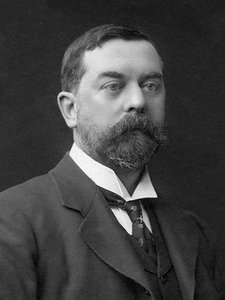
1856 - 1925 , Італія

Відкрийте для себе 10 найвідоміших картин у відтінках вугілля! Історія створення, художники та техніки експресіонізму, реалізму та імпресіонізму. Купіть репродукції шедеврів високої якості на Most-Famous-Paintings.com – декор для вашого дому з мистецтвом.

Explore the captivating history of mythological narratives in Western art! From ancient Greece to modern masterpieces, discover iconic artworks & symbolism. Expert analysis and high-quality reproductions at Most-Famous-Paintings.

Explore the dramatic world of Baroque painting! Discover its history, defining characteristics, iconic artists like Caravaggio & Rubens, and lasting influence on Western art. Expert insights for collectors.

Explore the captivating world of dramatic art history! Discover Baroque masters like Caravaggio & Giordano, learn key compositional techniques, and unlock the emotional power within iconic paintings. Enhance your collection with Most-Famous-Paintings.

Explore the life & art of John Singer Sargent, premier portraitist of the Gilded Age. Discover his Impressionistic masterpieces, technical brilliance, and enduring legacy. Expert insights for collectors.


Будьте в курсі останніх новин зі світу мистецтва, ексклюзивних пропозицій та ідей для декорування.
Розкажіть нам про свій проєкт, і наші експерти з мистецтва підготують для вас 3 персоналізовані пропозиції щодо творів мистецтва.
Дозвольте нам підібрати 3 варіанти спеціально для вас — безкоштовно!


 Переглянути в інтер'єрі
 Надіслати
 Поділитися
 Деталі

 Завантажити
 Схожі експонати
 Рентгенівське дослідження
 Слайд-шоу

 Читати далі







 Скляний варіант доступний лише для розмірів до 110 см