x


Написана вручну олією на полотні у вашому розмірі та рамі, виготовлена на замовлення нашими художниками. ( Switch to Print Switch to Image)
Обирайте з наших стандартних розмірів, що відповідають оригінальним пропорціям твору мистецтва.

Ви можете вказати власні розміри, щоб репродукція підійшла до конкретної рами або інтер'єру. Якщо вибраний вами розмір не відповідає пропорціям оригіналу, ми або обріжемо полотно, або доповнимо картину додатковими елементами, промальованими вручну. Цифровий макет буде надіслано вам на затвердження перед початком виробництва.
Зверніть увагу, що попередній перегляд на екрані не відображає фактичне обрізання або розширення зображення. Тільки макет точно покаже остаточну композицію.
Хоча ми можемо виготовити виріб у нестандартному розмірі, для збереження оригінальних пропорцій рекомендуємо обирати варіанти зі встановленого списку.
Доставка по всьому світу () за 3–4 тижні замість стандартних 5 тижнів. (29 Липень). Без жодних компромісів у якості.


Prosecutor's death
Розмір репродукції
Marc Chagall's "Prosecutor’s Death," painted in 1923, isn’t merely a depiction of mortality; it’s a hauntingly beautiful meditation on vulnerability, loss, and the unsettling juxtaposition of everyday life with sudden, irreversible tragedy. Emerging from the fertile ground of Chagall’s Vitebsk upbringing – a place where folklore intertwined seamlessly with Orthodox faith and Jewish tradition – this work embodies his signature style: a potent blend of dreamlike realism and expressive symbolism. The painting immediately arrests the viewer with its stark monochrome palette—a deliberate choice that amplifies the scene's gravity, stripping away any potential distraction from the central drama. The absence of color forces us to confront the raw emotion of the image, mirroring the emotional intensity characteristic of Chagall’s oeuvre.
At the heart of the composition lies a prone figure, a man seemingly collapsed onto the floor, his posture conveying both defeat and a strange sense of liberation. The meticulous hatching and cross-hatching employed by Chagall to define the form create a remarkable textural depth, suggesting not just the physicality of the body but also the weight of its experience. The careful rendering of the limbs, the subtle curve of the head – all contribute to an unnerving realism that underscores the suddenness of the event. Around this central figure, everyday objects—a chair angled aggressively, a table offering a fragile sense of stability, and two sports balls resting incongruously on the floor—serve as potent symbols. These seemingly random elements disrupt the somber mood, hinting at interrupted routines, lost potential, and perhaps even the shattered dreams of the deceased.
Chagall’s technique is a masterclass in expressive draughtsmanship. The extensive use of lines—thick, decisive outlines defining the furniture and the figure itself, contrasted with finer, more delicate strokes for shading and detail – creates a dynamic tension within the static image. These gestural lines aren't simply descriptive; they convey movement, energy, and an underlying sense of unease. The geometric shapes—rectangles representing the chairs and table, circles embodying the sports balls—are deliberately juxtaposed with the organic form of the fallen man, creating a visual dialogue between order and chaos, structure and dissolution. This interplay of forms contributes significantly to the painting’s unsettling atmosphere.
Furthermore, Chagall's masterful manipulation of light – or rather, its absence – is crucial to the work’s impact. There’s no discernible light source; instead, a strong directional illumination seems to originate from above, casting deep shadows and highlighting the contours of the figure and objects. This creates an almost theatrical effect, as if we are witnessing a pivotal moment frozen in time. The flattening of perspective—a characteristic feature of Chagall's style—further enhances this dreamlike quality, dissolving the boundaries between reality and imagination.
“Prosecutor’s Death” is rich with symbolic meaning, inviting multiple interpretations. The fallen man himself can be seen as a representation of vulnerability, a symbol of humanity stripped bare in the face of mortality. The sports balls—a striking element within this somber scene—are particularly intriguing. They could represent lost potential, interrupted joy, or perhaps even the fleeting nature of life itself. Considering Chagall’s own experiences during the turbulent years following the Russian Revolution, the image may also be interpreted as a commentary on the fragility of justice and the arbitrary nature of fate. The inclusion of everyday objects—the chair, the table—underscores the contrast between the mundane routines of daily life and the sudden intrusion of death.
Ultimately, “Prosecutor’s Death” is not simply a depiction of a single event; it's an exploration of universal themes – loss, mortality, and the enduring power of memory. It’s a testament to Chagall’s ability to transform personal experience into profoundly moving art, leaving the viewer with a lingering sense of melancholy and contemplation. A hand-painted reproduction captures this emotional depth and artistic brilliance with unparalleled fidelity, offering a window into the soul of one of the 20th century's most visionary artists.
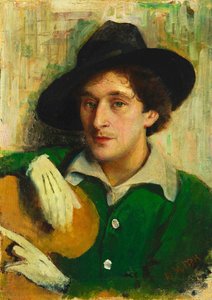
1887 - 1985 , Білорусь

Explore the power of black, white & gray abstraction in modern interior design. Discover how minimalist art impacts spatial perception & creates sophisticated hotel spaces. Expert insights for designers.

Відкрийте для себе 10 легендарних офортів Рембрандта, Гойї та інших майстрів! Історія мистецтва в кожній гравюрі. Купуйте високоякісні репродукції офортів для вашого дому на Most-Famous-Paintings.com.

Відкрийте для себе 10 найвідоміших картин, де панує магія чорного кольору. Історія Ван Гога, Пікассо та інших геніїв живопису. Купіть репродукцію шедевру на Most-Famous-Paintings.com та створіть вишуканий інтер'єр!
Відкрийте силу чорного кольору в мистецтві! Топ-10 шедеврів від Ван Гога, Мунка та інших геніїв. Історія створення, техніки живопису та натхнення для вашого декору з Most-Famous-Paintings. Дослідіть колекцію онлайн!

Explore the rich history & artistic power of black and white photography. From early techniques to iconic masters like Ansel Adams, discover why monochrome continues to captivate art lovers today. Expert insights for collectors.


Будьте в курсі останніх новин зі світу мистецтва, ексклюзивних пропозицій та ідей для декорування.
Розкажіть нам про свій проєкт, і наші експерти з мистецтва підготують для вас 3 персоналізовані пропозиції щодо творів мистецтва.
Дозвольте нам підібрати 3 варіанти спеціально для вас — безкоштовно!


 Надіслати
 Поділитися
 Деталі витвору

 Завантажити
 Схожі вироби
 Слайд-шоу

 Розгорнути текст




































 Скляний варіант доступний лише для розмірів до 110 см