
Стати продавцем
Список бажань Кошик покупок Cart
x
Переглянути в інтер'єріПереглянути в інтер'єрі Перегляд в ARПерегляд в AR Замовити принт Замовити принтЗамовити репродукцію ручної роботи Замовити репродукцію ручної роботи Надіслати як листівкуНадіслати як листівку
ДетальнішеДетальніше Додати до улюблених Додати до улюблених ЗавантажитиЗавантажити Схожі експонатиСхожі експонати Рентгенівське дослідженняРентгенівське дослідження Слайд-шоуСлайд-шоу

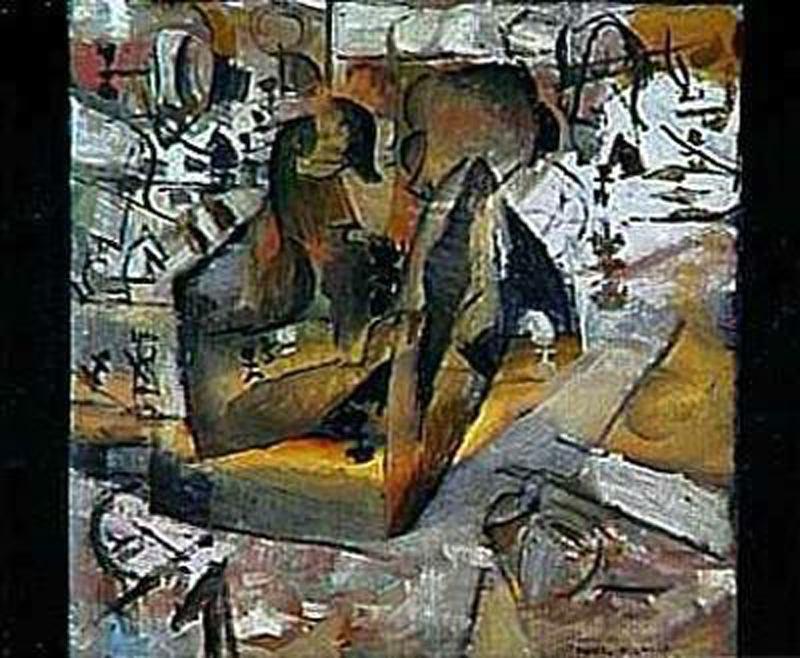
Les joueurs d'échecs

Marcel Duchamp's enigmatic painting depicts a gathering around a chessboard, featuring a solitary figure with their back turned and two others facing away—a deliberate challenge to artistic conventions and a cornerstone of Dada’s revolutionary spirit.

Експериментальна картина Марселя Дюшана «Перехід Діви у Клітку» (1912) – новаторський приклад кубізму, що досліджує трансформацію та людську ідентичність через розірвані форми. Відкрийте для себе мистецьку революцію!

Придбайте цифрову копію високої роздільної здатності з покращеною якістю, що значно перевершує онлайн-перегляд.

Кожен файл ретельно підготовлений нашими фахівцями за допомогою сучасних інструментів та професійної ручної ретуші. Ми гарантуємо виняткову чіткість, точну передачу кольору та високу деталізацію кожного зображення.

Фінальний файл надсилається електронною поштою протягом 72 годин і оптимізований для негайного використання у професійних виданнях та друкованих матеріалах. Таку якість обирають провідні дизайнерські студії, видавництва та галереї.

Цифрове зображення

Завантажте файл високої роздільної здатності для особистого використання, друку та творчих проєктів. (Замовити принт Замовити принтЗамовити репродукцію ручної роботи Замовити репродукцію ручної роботи)

Підсумкова вартість

$ 24,90

Переваги кожного замовлення цифрових зображень

Експертна цифрова доставка з гарантією якості

Обираючи Most-Famous-Paintings.com, ви отримуєте не просто зображення — ви отримуєте професійно вдосконалений цифровий витвір мистецтва, створений з надзвичайною точністю та підкріплений гарантією задоволення. Ось усе, що автоматично додається до вашого замовлення:

shipping_icon
Швидка доставка на email

Ваш цифровий файл із зображенням високої роздільної здатності буде надісланий вам електронною поштою протягом 72 годин після оформлення замовлення — він буде готовий до негайного використання.

canvas_icon
Цифровий файл із покращенням ШІ

Ваш витвір мистецтва професійно оптимізовано за допомогою передових інструментів штучного інтелекту та ручної корекції, що забезпечує максимальну деталізацію, чіткість і точність передачі кольорів.

insurance_icon
Безкоштовне повторне завантаження назавжди

Випадково видалили або втратили файл? Не хвилюйтеся — ми надішлемо його вам повторно в будь-який час безкоштовно.

tax_icon
Без митних зборів — ніколи

Насолоджуйтесь вашим витвором мистецтва миттєво без жодних мит, зборів або плати за доставку — цифрові завантаження завжди не оподатковуються.

color_icon
Гарантія точності кольорів

Ми гарантуємо максимально точне відтворення оригінальних кольорів на вашому цифровому зображенні завдяки використанню професійних інструментів та систем управління кольором.

return_icon
Гарантія задоволення протягом 60 днів

Якщо ви не задоволені придбаним цифровим зображенням, ми відкоригуємо його або повернемо 100% вартості протягом 60 днів — без жодних запитань.

guarantee_icon
Гарантія повернення 100% коштів

Не задоволені покупкою? Отримайте повне повернення коштів протягом 60 днів після отримання цифрового файлу — без жодних запитань.

discount_icon
Знижки на оптові замовлення

Купуйте 3 зображення — заощаджуйте 10% — Купуйте 5 — заощаджуйте 15% — Купуйте 10+ — заощаджуйте 20%. Чудово підходить для творчих проєктів, галерей та агентств.

Основна інформація

  • Dimensions: 83 x 65 cm
  • Movement: Dada
  • Notable elements or techniques: Ready-made assemblage
  • Artist: Marcel Duchamp
  • Subject or theme: Existentialism
  • Medium: Oil on canvas
  • Title: The Chess Game

Квіз про мистецтво

У кожному запитанні лише одна правильна відповідь.

Запитання 1:
What is the title of this artwork?
Запитання 2:
Who created Les joueurs d'échecs?
Запитання 3:
What artistic movement is Marcel Duchamp associated with?
Запитання 4:
Describe the overall atmosphere conveyed by the painting.
Запитання 5:
What prominent element is included in the image?

Опис колекційного об'єкта

A Duel of Minds and Shadows

In the quiet, tension-filled atmosphere of Marcel Duchamp’s 1917 masterpiece, Les joueurs d'échecs (The Chess Players), we are invited into a space where the boundaries between reality and concept begin to blur. The painting presents a scene that feels both intimate and profoundly detached; two figures are locked in a silent struggle over a chessboard, yet they turn their backs to us, denying the viewer the comfort of facial recognition or emotional clarity. This deliberate choice creates an immediate sense of mystery, transforming a simple game into a profound meditation on perspective. As we gaze upon the scene, we are not merely observers of a match, but witnesses to a psychological landscape where every move on the board carries the weight of existential significance.

The Spirit of Dada and the Art of Subversion

To understand this work, one must look toward the turbulent era of its creation. Emerging from the disillusionary shadows of World War I, Duchamp became a leading figure in the Dada movement—a radical artistic rebellion against logic, reason, and the traditional aesthetics of the past. Les joueurs d'échecs embodies this spirit of subversion perfectly. While the composition utilizes the familiar language of oil on canvas, it rejects the pursuit of mere realism. Instead, Duchamp employs a deliberately ambiguous style that prioritizes intellectual provocation over photographic accuracy. The presence of a dog wandering through the scene and the scattered arrangement of chairs and tables suggest a casual social gathering, yet there is an underlying tension, a sense that beneath this mundane surface, a much deeper, more chaotic truth is being played out.

Mastery in Texture and Light

For the discerning collector or interior designer, the technical brilliance of this piece lies in its deceptive simplicity. Duchamp utilized a sophisticated layering technique, applying thin, translucent washes of color over textured surfaces to achieve a remarkable sense of depth and luminosity. This method allows the light to dance across the surface of the chessboard, creating a focal point that anchors the composition amidst the more shadowed, enigmatic figures. The meticulous rendering of textures—from the soft presence of the canine companion to the subtle gradations of the players' clothing—demonstrates a mastery of craft that serves to undermine the very authority of traditional art. It is this interplay between technical precision and conceptual ambiguity that makes a reproduction of this work such a captivating addition to any curated space, offering both visual richness and a profound subject for conversation.

An Enduring Legacy for Modern Interiors

Bringing Les joueurs d'échecs into a contemporary setting offers more than just a decorative element; it introduces a piece of art history that challenges the viewer to think. The painting’s muted palette and evocative composition make it an ideal centerpiece for sophisticated interiors, providing a sense of intellectual depth and historical weight. Whether placed in a minimalist gallery-style room or a richly textured study, the work acts as a window into the revolutionary spirit of the early 20th century. It remains a powerful testament to Duchamp's ability to turn a game of chess into an eternal dialogue about perception, identity, and the very essence of what it means to create.

Біографія митця

Marcel Duchamp: A Revolutionary Spirit

Marcel Duchamp, born Henri-Robert-Marcel Duchamp in 1887 in Blainville-Crevon, Normandy, was more than an artist; he was a philosophical provocateur who fundamentally altered the course of modern art. His early life, though seemingly conventional – nurtured within a family that appreciated artistic expression with both brothers pursuing successful careers as artists – hinted at the iconoclasm to come. Duchamp initially pursued formal training, mastering traditional techniques and experimenting with post-impressionist styles. However, this academic foundation served not as an end in itself, but as a springboard for questioning the very nature of art, its purpose, and its definition. He wasn’t content merely to depict the world; he sought to challenge how we perceive it, and what constitutes artistic value. This restless intellectual curiosity would become the defining characteristic of his prolific career.

Early Artistic Explorations: Cubism and Impressionism

Duchamp's initial foray into art began with a fascination for Cubism, spearheaded by Pablo Picasso and Georges Braque. Influenced by Cézanne’s exploration of geometric forms and spatial relationships, Duchamp produced works like *Portrait of Chess Players* (1911), demonstrating an early grasp of fragmented perspectives and multiple viewpoints—a decisive departure from the single-point perspective dominant in traditional painting. Yet, he swiftly recognized that simply rearranging visual elements wasn't sufficient to address the deeper philosophical concerns animating him. He diligently honed his skills in watercolor and gouache, mastering techniques that allowed for nuanced tonal gradations and subtle textural variations – skills that would prove invaluable throughout his artistic journey. These formative experiences instilled in him a profound appreciation for craftsmanship while simultaneously fueling his desire to transcend mere representation.

The Dadaist Rebellion: Challenging Artistic Conventions

The horrors of World War I profoundly impacted Duchamp’s worldview, shattering his faith in reason and prompting him to embrace Dadaism—a movement born out of utter disillusionment and vehement rejection of logic, rationality, and the established artistic conventions of the time. Dadaists like Tristan Tzara and Hugo Ball sought to dismantle bourgeois values and satirize societal hypocrisy through absurdist poetry, performance art, and collage. Duchamp wholeheartedly embraced this rebellious spirit, producing provocative pieces that deliberately defied aesthetic standards and questioned the role of the artist in society. His Dadaist output included collages incorporating found objects—such as newspaper clippings and photographs—that juxtaposed disparate images to create jarring visual effects. This period solidified his conviction that art should provoke thought and confront uncomfortable truths.

The Birth of Conceptual Art: The Readymade Revolution

Duchamp’s most enduring contribution to the history of art arrived in 1917 with the introduction of the ‘readymade.’ Recognizing that artistic creativity didn't necessarily reside in skillful execution but rather in conceptual innovation—the idea behind the artwork—he selected an ordinary manufactured object – Marcel Duchamp famously chose a urinal (*Fountain*) – signed “R. Mutt,” and submitted it to an exhibition organized by Guy Debord and Tristan Tzara. This audacious act challenged the very definition of art, arguing that it was the artist’s intention, not its physical form, that conferred artistic significance. The resulting uproar solidified Duchamp's position as a pioneer of Conceptual Art—a movement that prioritized intellectual discourse over visual aesthetics.

Later Works and Legacy: Exploring Symbolism and Complexity

Throughout his subsequent career, Duchamp continued to explore complex themes and intricate visual puzzles. His monumental *The Large Glass* (1915–1923), a labyrinthine assemblage of glass panels adorned with enamel paint and miniature sculptures, represents an ambitious attempt to synthesize Cubist fragmentation with Surrealist dreamlike imagery—a testament to his unwavering commitment to artistic experimentation. He meticulously crafted intricate geometric patterns and explored the interplay between light and shadow, demonstrating a mastery of technique that belied his philosophical stance. Duchamp’s influence extended far beyond the confines of Conceptual Art, inspiring artists across disciplines to question established norms and embrace unconventional approaches. His legacy endures as a symbol of artistic freedom and intellectual courage—a reminder that art can challenge conventions and provoke profound contemplation. He died in Paris in 1968, leaving behind an unparalleled body of work that continues to fascinate and inspire audiences worldwide.
Марсель Дюшан

Марсель Дюшан

1887 - 1968 , Франція

Основна інформація

  • Artistic Movement Or Style:
    • Кубізм
    • Дадаїзм
    • Концептуальне мистецтво
  • Artists Or Movements Influenced By This Artist:
    • Концептуальне мистецтво
    • Поп арт
    • Мінімалізм
  • Date Of Birth: 28 липня 1887 р.
  • Date Of Death: 2 жовтня 1968 р.
  • Full Name: Marcel Duchamp
  • Nationality: Французький
  • Notable Artworks:
    • Фонтан
    • Л.Х.О.О.К.
    • Велике скло
    • Боîte-en-valise
  • Place Of Birth: Блейнвіль-сюр-Мер, Франція

