


x


Написана вручну олією на полотні у вашому розмірі та рамі, виготовлена на замовлення нашими художниками. ( Перейти до друку Перейти до зображення)





























Обирайте з наших стандартних розмірів, що відповідають оригінальним пропорціям твору мистецтва.

Ви можете вказати власні розміри, щоб репродукція ідеально підійшла до конкретної рами або інтер'єру. Якщо вибраний вами розмір не відповідає пропорціям оригіналу, ми або обріжемо полотно, або доповнимо картину додатковими елементами, промальованими вручну. Цифровий макет буде надіслано вам на затвердження перед початком виробництва.
Зверніть увагу, що попередній перегляд на екрані не відображає фактичне обрізання або розширення зображення. Тільки макет точно покаже остаточну композицію.
Хоча ми можемо виготовити виріб у нестандартному розмірі, для збереження оригінальних пропорцій рекомендуємо обирати варіанти зі встановленого списку.
Доставка по всьому світу () за 3–4 тижні замість стандартних 5 тижнів. (4 Серпень). Без жодних компромісів у якості.


Portrait 1
Розмір репродукції
The canvas holds an arresting stillness—a portrait not merely of a man but of the profound contemplation inherent in confronting one's own mortality. Painted by Mark Rothko in 1963, shortly before his death, this work embodies the artist’s signature approach to abstraction: layering blocks of color onto canvas with deliberate precision and unwavering conviction.
Rothko eschewed representational imagery altogether, opting instead for a method he termed “condensation.” He applied thin washes of pigment—primarily cadmium yellow, crimson red, and ultramarine blue—to create expansive rectangles that bleed into one another. This technique wasn’t about depicting an external reality; it was about channeling internal feeling directly onto the surface of the artwork. The resulting hues aren't merely pigments on canvas; they are conduits for emotion – a deliberate attempt to bypass intellectual analysis and tap into primal sensations.
Rothko’s work emerged during the burgeoning Minimalist movement of the 1960s, a reaction against the excesses of Abstract Expressionism that preceded it. While contemporaries like Jackson Pollock wrestled with dynamism and gesture, Rothko sought refuge in simplicity—a deliberate stripping away of extraneous detail to focus solely on color and form. This stylistic choice coincided with a period marked by significant social upheaval: the Vietnam War raged, civil rights activism gained momentum, and anxieties about nuclear annihilation permeated the cultural landscape.
The seemingly unassuming rectangles themselves are laden with symbolic significance. Rothko believed that color possessed inherent spiritual qualities—that it could evoke profound psychological states without resorting to explicit imagery. The dominant hues – yellow, red, and blue – represent not specific concepts but rather fundamental aspects of human experience: optimism, passion, and melancholy respectively. Critics have interpreted these colors as reflections of Rothko’s own emotional landscape, suggesting that the painting serves as a visual manifestation of his inner turmoil and yearning for transcendence.
Viewing Rothko’s Portrait of Existential Uncertainty is an experience akin to entering a meditative space. The sheer scale of the canvas—approximately 68 x 48 inches—forces the viewer to confront their own gaze, inviting introspection and prompting questions about identity and purpose. There's no narrative to follow, no figure to analyze; instead, one is immersed in a sea of color that washes over the senses, leaving behind a residue of quiet contemplation – a testament to Rothko’s enduring ability to capture the essence of human consciousness.

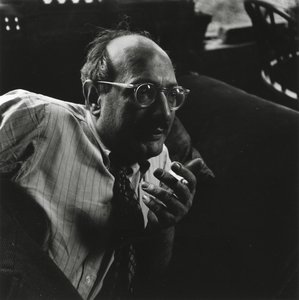
1903 - 1970 , Латвія

Explore the profound emotional depth of Mark Rothko's abstract expressionism. Discover the history, techniques & lasting impact of this pivotal Color Field painter. Expert insights for collectors and art enthusiasts.
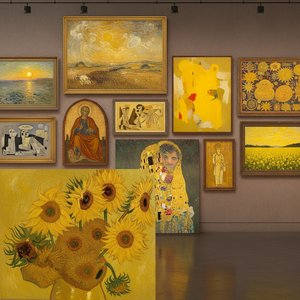
Відкрийте для себе 10 найвідоміших картин, де домінує хромова жовтизна! Ван Гог, Моне та інші майстри. Історія мистецтва, техніки живопису та ідеї декору від Most-Famous-Paintings.com. Дослідіть колекцію онлайн!

Дослідіть трансформацію сучасної абстрактної живопису під впливом освітлення. Експертний аналіз, інноваційні техніки та поради для колекціонерів і поціновувачів мистецтва. Відкрийте нові виміри сприйняття!

Explore the profound emotional depth & formal innovations of abstract painting. Discover key artists like Rothko & Kandinsky, understand art collecting insights, and elevate your space with timeless masterpieces. Expert analysis for discerning collectors.
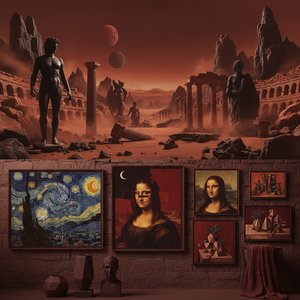
Відкрийте силу чорного кольору в мистецтві! Топ-10 шедеврів від Ван Гога, Мунка та інших геніїв. Історія створення, техніки живопису та натхнення для вашого декору з Most-Famous-Paintings. Дослідіть колекцію онлайн!


Будьте в курсі останніх новин зі світу мистецтва, ексклюзивних пропозицій та ідей для декорування.
Розкажіть нам про свій проєкт, і наші експерти з мистецтва підготують для вас 3 персоналізовані пропозиції щодо творів мистецтва.
Дозвольте нам підібрати 3 варіанти спеціально для вас — безкоштовно!


 Переглянути в інтер'єрі
 Надіслати
 Поділитися
 Деталі

 Завантажити
 Схожі експонати
 Рентгенівське дослідження
 Слайд-шоу
 Читати далі







 Скляний варіант доступний лише для розмірів до 110 см


