x

 Oil On PanelLate Medieval
 Late Medieval
 197.0 x 165.0 cm
 Chrysler Museum of Art
Придбайте цифрову копію високої роздільної здатності з покращеною якістю, що значно перевершує онлайн-перегляд.
Кожен файл ретельно підготовлений нашими фахівцями за допомогою сучасних інструментів та професійної ручної ретуші. Ми гарантуємо виняткову чіткість, точну передачу кольору та високу деталізацію кожного зображення.
Фінальний файл надсилається електронною поштою протягом 72 годин і оптимізований для негайного використання у професійних виданнях та друкованих матеріалах. Таку якість обирають провідні дизайнерські студії, видавництва та галереї.
Завантажте файл високої роздільної здатності для особистого використання, друку та творчих проєктів. ( Замовити принт Замовити репродукцію ручної роботи)
Обираючи Most-Famous-Paintings.com, ви отримуєте не просто зображення — ви отримуєте професійно вдосконалений цифровий витвір мистецтва, створений з надзвичайною точністю та підкріплений гарантією задоволення. Ось усе, що автоматично додається до вашого замовлення:

Ваш цифровий файл із зображенням високої роздільної здатності буде надісланий вам електронною поштою протягом 72 годин після оформлення замовлення — він буде готовий до негайного використання.

Ваш витвір мистецтва професійно оптимізовано за допомогою передових інструментів штучного інтелекту та ручної корекції, що забезпечує максимальну деталізацію, чіткість і точність передачі кольорів.

Випадково видалили або втратили файл? Не хвилюйтеся — ми надішлемо його вам повторно в будь-який час безкоштовно.

Насолоджуйтесь вашим витвором мистецтва миттєво без жодних мит, зборів або плати за доставку — цифрові завантаження завжди не оподатковуються.

Ми гарантуємо максимально точне відтворення оригінальних кольорів на вашому цифровому зображенні завдяки використанню професійних інструментів та систем управління кольором.

Якщо ви не задоволені придбаним цифровим зображенням, ми відкоригуємо його або повернемо 100% вартості протягом 60 днів — без жодних запитань.

Не задоволені покупкою? Отримайте повне повернення коштів протягом 60 днів після отримання цифрового файлу — без жодних запитань.

Купуйте 3 зображення — заощаджуйте 10% — Купуйте 5 — заощаджуйте 15% — Купуйте 10+ — заощаджуйте 20%. Чудово підходить для творчих проєктів, галерей та агентств.
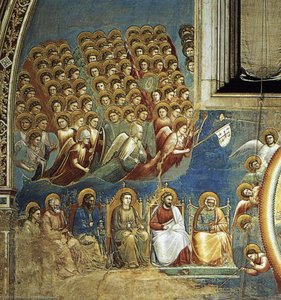
To stand before a depiction of The Last Judgment is not merely to observe art; it is to confront the very precipice of human existence. Marx Reichlich’s masterful rendering captures that profound spiritual shock and awe, transporting the viewer into the ultimate reckoning—the final moment when history pauses for divine arbitration. This scene, steeped in the fervent piety of the late medieval period, speaks directly to the deepest anxieties and highest hopes of its time. It is a visual sermon rendered with breathtaking intensity, inviting contemplation on virtue, sin, and the eternal scales of accountability.
The composition itself is a whirlwind of spiritual drama. At the epicenter, Christ descends upon his rainbow throne, an imposing figure calling all souls—the living and the departed—to account. Yet, amidst this divine authority, the human element remains vividly portrayed. We see the outstretched arms of Christ, surrounded by angels whose gestures are pure adoration, contrasting sharply with the chaos unfolding below. The scene is richly populated; some figures kneel in desperate prayer, while others engage in activities that speak to a life lived—a life now subject to ultimate review. This intricate detail, characteristic of Reichlich’s hand, ensures that no corner of this monumental narrative escapes the viewer's gaze.
The symbolism woven throughout this work is both stark and deeply comforting in its warning. The dichotomy presented by the painting is absolute: ascend into the radiant light of heaven on Christ’s right, or face the consuming fire of hell on his left. This binary choice forms the core message—a potent reminder that earthly piety must translate into genuine virtue. Noticeable among the damned is a bishop whose crown has been violently snatched away by a demon; this small detail carries immense weight, suggesting that outward symbols of status or perceived holiness mean nothing against the judgment of the soul. The artwork thus functions as both a terrifying warning and an ultimate guide toward true spiritual integrity.
While the original medium speaks to the painstaking artistry of tempera on wood, the reproduction captures the spirit of this demanding technique. Reichlich’s style is renowned for its meticulous attention to detail and its ability to imbue every figure with palpable emotional weight. The composition flows with a masterful understanding of dramatic tension, guiding the eye from the celestial majesty down into the earthly struggle. Owning a high-quality reproduction allows one to bring this monumental narrative drama into a contemporary space, serving not just as decoration, but as a profound focal point for meditation and reflection.

Born in Bolzano, Italy, around 1460 – a time of burgeoning artistic innovation and religious fervor – Marx Reichlich emerged as a significant figure in late medieval Austrian painting. While details of his early life remain somewhat obscured by the passage of centuries, what is known paints a picture of a prolific artist deeply rooted in the traditions of tempera on wood, a technique favored for its durability and suitability for depicting intricate religious scenes.
Reichlich’s career unfolded primarily during the 15th and 16th centuries. He quickly established himself as a sought-after painter, commissioned by churches and religious institutions across Austria to create works that visually communicated profound spiritual narratives. His style is characterized by an impressive attention to detail, a masterful understanding of composition, and a remarkable ability to imbue his subjects with emotional weight – particularly evident in his depictions of biblical events and moral allegories.
Reichlich's artistic approach was firmly grounded in the conventions of his time. He predominantly employed tempera on wood, a medium that allowed for rich colors, subtle gradations, and a level of detail difficult to achieve with oil paints. This choice reflects not only technical proficiency but also a deep respect for established artistic practices. His works often feature vibrant hues—deep blues, reds, and golds—contrasting sharply against the darker tones of the wood panel, creating a dramatic visual impact.
A key element of Reichlich’s style is his ability to capture the essence of religious scenes with remarkable immediacy. He wasn't merely illustrating biblical stories; he was striving to evoke spiritual experience. His figures are often rendered with a sense of dynamism and movement, conveying not just what happened but *how* it felt – the awe of witnessing divine judgment, the reverence of an adoration scene, or the solemnity of a funeral procession.
Among Reichlich’s most celebrated works are “The Last Judgement” (circa 1490) and “Adoration of the Magi.” The "Last Judgement," a monumental tempera panel measuring approximately 197 x 165 cm, is arguably his masterpiece. It's a visceral depiction of Christ’s judgment, brimming with symbolic imagery—cherubs, souls ascending to heaven, and demons dragging sinners into hell – designed to inspire both fear and hope. The painting powerfully conveys the medieval Christian understanding of divine justice and the consequences of earthly actions.
“Adoration of the Magi,” another significant work, showcases Reichlich’s skill in portraying a complex narrative with clarity and grace. The scene depicts the visit of the three wise men to the infant Jesus, rendered with meticulous detail and imbued with a sense of wonder and reverence. These works, along with others housed within the Kunsthistorisches Museum in Vienna, offer invaluable insights into the religious art of the period.
Marx Reichlich’s legacy extends beyond his individual creations. He represents a pivotal link between the late Gothic and early Renaissance artistic traditions in Austria. His works demonstrate a synthesis of established stylistic elements with emerging humanist concerns, reflecting the evolving cultural landscape of the 15th and 16th centuries.
His paintings continue to be studied and admired for their technical brilliance, emotional depth, and profound spiritual resonance. The Kunsthistorisches Museum in Vienna holds an extensive collection of Reichlich’s works, ensuring that his art remains accessible to scholars and the public alike. Furthermore, his influence can be seen in subsequent generations of Austrian artists who followed in his footsteps.

1460 - 1520 , Italy


Будьте в курсі останніх новин зі світу мистецтва, ексклюзивних пропозицій та ідей для декорування.
Розкажіть нам про свій проєкт, і наші експерти з мистецтва підготують для вас 3 персоналізовані пропозиції щодо творів мистецтва.
Дозвольте нам підібрати 3 варіанти спеціально для вас — безкоштовно!


 Переглянути в інтер'єрі
 Надіслати як листівку
 Поділитися
 Детальніше

 Завантажити
 Схожі експонати
 Рентгенівське дослідження
 Слайд-шоу
 Читати далі