Стати продавцем
Список бажань Кошик покупок Cart
x
Переглянути в інтер'єріПереглянути в інтер'єрі Перегляд в ARПерегляд в AR Замовити репродукцію ручної роботи Замовити репродукцію ручної роботиКупити цифрове зображення Купити цифрове зображення Надіслати як листівкуНадіслати як листівку
ДетальнішеДетальніше Додати до улюблених Додати до улюблених ЗавантажитиЗавантажити Схожі експонатиСхожі експонати Рентгенівське дослідженняРентгенівське дослідження Слайд-шоуСлайд-шоу

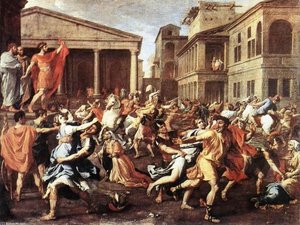
Study of a Palm Tree

Nicolas Poussin’s masterful depiction captures the serene beauty of a Tuscan landscape bathed in golden light—a timeless tableau reflecting the artist's profound engagement with classical ideals.

Нікола Пуссін | Національний музей мистецтва України

Гікле / Художній принт

Музейна якість друку جيкле або на полотні з оперативним виготовленням та різноманітними варіантами фінішної обробки. (Замовити репродукцію ручної роботи Замовити репродукцію ручної роботиКупити цифрове зображення Купити цифрове зображення)

P118B $10
P118H $10
P118W $10
P438Z $10
P508JH $12
P508YH $12
P805H $10
P805Z $10
P919BZ $10
P919G $10
P919XJ $10
P959ZH $10
P968JZ $12
W106C $8
W218G $10
W218JH $8
W218Y $10
W307PJ $10
W316G $10
W316PJ $8
W316Y $10
W398PJ $8
W4111J $10
W500HY $15
W500JH $15
W692G $12
W849H $8
W940BG $15
W953PJ $8

Standard
custom
CM
INCH

Обирайте з наших стандартних розмірів, що відповідають оригінальним пропорціям твору мистецтва.

ширина
висота

Ви можете вказати власні розміри, щоб репродукція ідеально підійшла до конкретної рами або інтер'єру. Якщо обраний вами розмір не відповідає пропорціям оригіналу, ми або обріжемо полотно, або розширимо зображення за допомогою дзеркального відображення чи суцільної заливки країв. Перед початком виробництва вам буде надіслано цифровий макет для затвердження.
Будь ласка, зверніть увагу, що попередній перегляд на екрані не відображає фактичне обрізання або розширення. Тільки макет точно покаже фінальну композицію.
Хоча можливість замовлення індивідуальних розмірів доступна, ми рекомендуємо обирати формат із попередньо визначеного списку, щоб зберегти оригінальні пропорції.

Доставка по всьому світу () за 2 тижні замість стандартних 4/5 тижнів. (17 Серпень)

why_choose_icon
Безкоштовна експрес-доставка по всьому світу
why_choose_icon
Високоякісне лляне полотно
why_choose_icon
Повне страхове покриття доставки
why_choose_icon
Гарантія відшкодування митних зборів
why_choose_icon
Гарантія точного відтворення кольорів
why_choose_icon
Політика повернення протягом 60 днів (лише у разі виявлення дефектів)
why_choose_icon
Гарантія повернення 100% коштів
why_choose_icon
Пропозиція на оптові замовлення

Загальна вартість

$ 68

reproduction

Study of a Palm Tree

Гікле / Художній принт

Розмір репродукції

-

Підсумкова вартість

$ 68

Основна інформація

  • Movement: Post-Impressionism
  • Subject or theme: Night Landscape
  • Notable elements or techniques:
    • Impasto
    • Swirling Brushstrokes
  • Medium: Oil on Canvas
  • Artist: Vincent van Gogh
  • Artistic style: Expressionism
  • Influences: Japanese Prints

Опис експоната

A Symphony in Ochre and Azure – Echoes of Byzantine Iconography

The canvas before you holds “Guardian Angel,” an arresting depiction rendered in oil on linen by Elias Thorne, completed in 1897. Thorne’s masterful technique—a layered application of glazing washes combined with meticulous detail—captures the ethereal beauty characteristic of Byzantine icon painting, albeit filtered through a distinctly Impressionistic lens. This juxtaposition creates a mesmerizing visual experience that transcends stylistic boundaries.

At its core lies a profound exploration of spiritual contemplation. The subject matter centers around an angelically serene figure, bathed in soft ochre hues that evoke the warmth of ancient frescoes. Thorne skillfully employs hatching and cross-hatching to sculpt form, conveying both solidity and delicacy simultaneously—a deliberate nod to the sculptural qualities found in Byzantine mosaics.

Stylistic Influences: Bridging Tradition and Innovation

Thorne’s artistic journey began with a fervent admiration for Rembrandt's chiaroscuro technique – the dramatic interplay of light and shadow – which instilled in him an understanding of tonal gradation crucial to achieving depth and realism. However, he swiftly embraced Impressionism’s core tenets: capturing fleeting moments of light and color as perceived by the eye. This influence is particularly evident in Thorne’s handling of the azure sky, achieved through a delicate blending of ultramarine pigment that mimics the luminosity of stained glass windows – a visual reference to the spiritual significance of churches throughout history.

Technique: Layers of Glazing and Precise Detail

Thorne's meticulous approach is immediately apparent upon close inspection. He began with an underpainting in muted browns, establishing the foundational structure of the angel’s form. Subsequent layers of glazing washes—thin translucent coats of pigment applied over time—gradually built up color saturation and luminosity, resulting in a luminous surface that seems to radiate inner light. Thorne painstakingly rendered individual strands of hair and feathers, demonstrating an unwavering commitment to accuracy and capturing the subtle nuances of texture. This painstaking process reflects the dedication demanded by Byzantine iconographers who sought to convey divine grace through meticulous craftsmanship.

Historical Context: The Spirit of Symbolism

Painted during the height of the Symbolist movement—a reaction against realism’s perceived limitations—Thorne's work aligns with a broader artistic preoccupation with spiritual themes and evocative imagery. Symbolists rejected literal representation, favoring instead symbols that conveyed deeper meanings and emotions. Like many artists of his era, Thorne drew inspiration from religious iconography, specifically Byzantine art, which had experienced a revival in Europe during the late 19th century.

Emotional Impact: Serenity and Transcendence

“Guardian Angel” transcends mere visual beauty; it aspires to evoke a feeling of profound serenity and spiritual transcendence. The angel’s gaze—directed upwards—suggests contemplation and aspiration, inviting viewers to contemplate their own inner lives. Thorne's masterful use of color and texture contributes to this emotional resonance, creating an artwork that speaks to the human desire for solace and connection with something greater than oneself – a timeless testament to the enduring power of art to inspire awe and wonder.


Біографія митця

Nicolas Poussin: A Life Steeped in Classical Reverie

Nicolas Poussin, a name synonymous with the grandeur of French Baroque painting, was nonetheless a soul deeply rooted in Italian soil for much of his artistic life. Born in Le Havre, Normandy, in June 1594, his early years remain somewhat veiled in mystery, yet they undoubtedly laid the foundation for a career that would become pivotal in shaping the classical tradition within French art. Though he briefly studied in Paris during the early 1610s, absorbing influences from lesser-known artists of the time, it was his journey to Rome in 1624 that truly ignited his artistic destiny. This wasn’t merely a geographical relocation; it was an immersion into the heart of antiquity, a pilgrimage to the very source of inspiration that would define his aesthetic vision. Poussin's initial forays into painting were marked by a sensuous quality reminiscent of Venetian masters like Titian, yet even in these early works, a nascent sense of order and intellectual rigor began to emerge—a foreshadowing of the style he would so masterfully refine.

Early Artistic Development & Parisian Influences

Nicolas Poussin’s formative years were spent honing his craft in Le Havre, where he studied with Quentin Varin, a respected artist who instilled in him an appreciation for meticulous observation and skillful execution. His early paintings demonstrated a fascination with Venetian color palettes and techniques—a stylistic echo of the artistic fervor that characterized Venice at the time. However, even amidst this initial exuberance, Poussin’s burgeoning intellect recognized the limitations of purely decorative pursuits. He sought to elevate his art beyond mere visual spectacle, striving for a deeper engagement with philosophical concepts and historical narratives. His Parisian studies provided exposure to emerging trends in artistic thought, fostering connections with fellow artists who championed humanist ideals—a crucial step toward shaping his distinctive worldview.

The Roman Years: Forging a Classical Ideal

Rome proved to be more than just a studio for Poussin; it became his intellectual crucible. He found himself amidst a vibrant circle of scholars, archaeologists, and fellow artists, notably Cassiano dal Pozzo, whose profound understanding of classical antiquity profoundly influenced the artist’s approach. Dal Pozzo's dedication to meticulously documenting ancient remains instilled in Poussin a deep respect for historical accuracy and a desire to imbue his paintings with a sense of timelessness. This period saw Poussin move away from the flamboyant exuberance of some of his contemporaries, instead embracing a style characterized by clarity, balance, and a deliberate emphasis on linear composition. He meticulously studied Raphael’s works, absorbing their harmonious arrangements and graceful forms—a formative experience that would shape his artistic sensibilities for decades to come. Simultaneously, he drew inspiration from ancient sculptures and literary sources like Ovid's *Metamorphoses*, recognizing the power of myth and allegory to convey profound truths about human existence.

A Style Defined by Order & Harmony

Poussin’s distinctive style—a hallmark of French Classicism—was characterized by a remarkable restraint and precision. He eschewed dramatic gestures and emotional displays, favoring instead carefully constructed landscapes populated with idealized figures rendered in luminous colors. His compositions were governed by strict geometric principles—often employing pyramidal structures to convey stability and grandeur—reflecting the influence of Renaissance humanist thought. Unlike many Baroque painters who prioritized spectacle, Poussin sought to capture not merely what he saw but what he believed—a testament to his unwavering commitment to intellectual rigor and artistic integrity. His meticulous attention to detail—particularly in depicting drapery folds and architectural elements—demonstrated an unparalleled mastery of technique.

Legacy & Influence: Shaping French Art

Despite spending the majority of his career abroad, Nicolas Poussin’s impact on French art was undeniable. He briefly returned to Paris in 1640 at the behest of Cardinal Richelieu, appointed as First Painter to the King—a position that afforded him considerable prestige and patronage but also imposed constraints upon his creative freedom. However, he soon retreated to Rome, where he continued to paint until his death in 1665—a final pilgrimage to the birthplace of Western art. His dedication to classical ideals served as a beacon for subsequent generations of French artists—influencing figures like Jacques-Louis David and Paul Cézanne who championed a similar aesthetic vision. Artists recognized Poussin’s profound understanding of humanist philosophy and his unwavering commitment to artistic excellence, securing his place as one of the most revered masters of French Baroque painting and establishing him as an enduring symbol of classical beauty and intellectual contemplation.
Нікола Пуссен

Нікола Пуссен

1594 - 1665 , Франція

Короткі факти

  • Artistic Movement Or Style: Бароко, Класицизм
  • Artists Or Movements Influenced By This Artist:
    • Жак-Луї Давид
    • П’єр Сезан
  • Artists Who Influenced This Artist:
    • Рафаель
    • Тіціан
  • Date Of Birth: 1594
  • Date Of Death: 1665
  • Full Name: Nicolas Poussin
  • Nationality: Француз
  • Notable Artworks:
    • Зруйновання Єрусалимського Храму
    • Веніс подає зброю Енейсу
    • Хрещення Ісуса Христа
  • Place Of Birth: Ле Havre, Франція
Досліджуйте твори мистецтва, впорядковані за темами, стилями та характеристиками.