x


 Замовити репродукцію Купити цифрове зображення
 Надіслати
 Деталі витвору
 Додати до улюблених
 Завантажити
 Схожі вироби
 Рентгенівське дослідження
 Слайд-шоу
 ОліяНастінний декорPost-Impressionism
 1890— XIX століття
 32.0 x 23.0 cm
Музейна якість друку جيкле або на полотні з оперативним виготовленням та різноманітними варіантами фінішної обробки.





























Обирайте з наших стандартних розмірів, що відповідають оригінальним пропорціям твору мистецтва.

Ви можете вказати власні розміри, щоб репродукція ідеально підійшла до конкретної рами або інтер'єру. Якщо обраний вами розмір не відповідає пропорціям оригіналу, ми або обріжемо полотно, або розширимо зображення за допомогою дзеркального відображення чи суцільної заливки країв. Перед початком виробництва вам буде надіслано цифровий макет для затвердження.
Будь ласка, зверніть увагу, що попередній перегляд на екрані не відображає фактичне обрізання або розширення. Тільки макет точно покаже фінальну композицію.
Хоча можливість замовлення індивідуальних розмірів доступна, ми рекомендуємо обирати формат із попередньо визначеного списку, щоб зберегти оригінальні пропорції.
Доставка по всьому світу () за 2 тижні замість стандартних 4/5 тижнів. (22 Липень)


Bathsheba
Розмір репродукції
Paul Cézanne's "Bathsheba," painted around 1890, is more than just a depiction of two women; it’s a pivotal moment in the evolution of art. This intimate canvas, measuring a modest 32 x 23 centimeters, embodies Cézanne’s groundbreaking approach to painting – a deliberate move away from the fleeting impressions of Impressionism and toward the structured forms that would foreshadow Cubism. The work invites us into a quiet forest scene, where a sense of profound peace and subtle drama intertwine, revealing Cézanne's masterful manipulation of light, color, and perspective.
The painting centers on two figures: one woman reclining gracefully on the ground, seemingly lost in contemplation, and another standing over her, offering what appears to be care or perhaps a silent vigil. The setting is a dappled forest, rendered with Cézanne’s characteristic use of broken brushstrokes and flattened planes. Notice how he doesn't attempt to recreate the naturalistic depth of the landscape; instead, he simplifies it, suggesting space through color and form rather than traditional perspective. The sky, filled with soft, diffused clouds, contributes to the overall atmosphere of tranquility, while a rocky outcrop provides a grounding element within this otherwise ethereal scene.
Cézanne’s “Bathsheba” firmly places him within the Post-Impressionist movement. Following in the footsteps of Impressionists like Monet and Renoir, who focused on capturing the ephemeral effects of light and color, Cézanne sought to delve deeper into the underlying structure of reality. He wasn't interested in simply *seeing* a scene; he wanted to *understand* it – to capture its essence through geometric forms and carefully considered composition. This is evident in his use of rectangular shapes, which dominate the canvas, creating a sense of stability and order amidst the naturalistic setting. His work represents a deliberate rejection of Impressionism’s emphasis on capturing fleeting moments, opting instead for a more enduring representation of form and structure.
While the painting's subject matter – a woman tending to another – is straightforward, it carries subtle layers of meaning. The scene evokes a sense of vulnerability and connection, hinting at themes of care, devotion, or perhaps even sacrifice. Some art historians have linked the work to biblical narratives surrounding Bathsheba, though Cézanne himself remained deliberately ambiguous about the painting's specific symbolism. The woman on the ground could be interpreted as representing passivity and receptiveness, while the figure standing over her embodies strength and responsibility. The ambiguity is precisely what makes the painting so compelling – it invites viewers to project their own interpretations onto the scene.
Paul Cézanne's influence on 20th-century art is undeniable. His exploration of form, color, and perspective paved the way for Cubism, with artists like Picasso and Braque building upon his innovations. Cézanne’s deliberate simplification of objects and his emphasis on geometric structure challenged traditional notions of representation, ultimately transforming the very nature of painting. “Bathsheba” stands as a testament to this revolutionary vision – a serene yet profoundly influential work that continues to captivate viewers with its quiet beauty and enduring artistic significance. It's a piece that speaks not just to the eye but also to the heart, inviting contemplation on themes of human connection and the timeless allure of nature.
To explore more of Cézanne’s remarkable oeuvre and discover high-quality reproductions of his paintings, including “Bathsheba,” visit Most-Famous-Paintings.


1839 - 1906 , Франція
Відкрийте 25 найвідоміших картин Поля Сезанна! Дослідіть імпресіонізм, натюрморти та пейзажі художника. Купіть високоякісні репродукції та знайдіть ідеальний декор для вашого дому на Most-Famous-Paintings.com.

Відкрийте для себе 25 найвідоміших шедеврів Метрополітен-музею! Історія мистецтва від Ван Гога до Моне. Репродукції картин онлайн – надихайтесь та створіть власний розкішний інтер'єр з Most-Famous-Paintings.com.
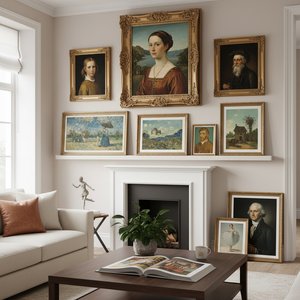
Відкрийте для себе 25 шедеврів Національної галереї мистецтв! Історія Сезанна, Матісса, Пікассо та інших геніїв. Репродукції картин онлайн – надихайтесь для декору вашого дому з Most-Famous-Paintings.com.

Відкрийте для себе 25 найвідоміших шедеврів Клода Моне! Історія імпресіонізму, пейзажі, водні лілії та унікальні техніки живопису. Репродукції картин високої якості для вашого дому від Most-Famous-Paintings.com. Дослідіть всю колекцію онлайн!

Відкрийте 25 найкращих картин Альфреда Джеймса Міннінгса! Дослідіть шедеври англійського імпресіонізму, мистецтво коней та пейзажі Англії. Купуйте репродукції високої якості для вашого дому на Most-Famous-Paintings.com.


Будьте в курсі останніх новин зі світу мистецтва, ексклюзивних пропозицій та ідей для декорування.
Розкажіть нам про свій проєкт, і наші експерти з мистецтва підготують для вас 3 персоналізовані пропозиції щодо творів мистецтва.
Дозвольте нам підібрати 3 варіанти спеціально для вас — безкоштовно!


 Поділитися

 Розгорнути текст







 Скляний варіант доступний лише для розмірів до 110 см