x

Написана вручну олією на полотні у вашому розмірі та рамі, виготовлена на замовлення нашими художниками. ( Замовити принт Купити цифрове зображення)





























Обирайте з наших стандартних розмірів, що відповідають оригінальним пропорціям твору мистецтва.

Ви можете вказати власні розміри, щоб репродукція ідеально підійшла до конкретної рами або інтер'єру. Якщо вибраний вами розмір не відповідає пропорціям оригіналу, ми або обріжемо полотно, або доповнимо картину додатковими елементами, промальованими вручну. Цифровий макет буде надіслано вам на затвердження перед початком виробництва.
Зверніть увагу, що попередній перегляд на екрані не відображає фактичне обрізання або розширення зображення. Тільки макет точно покаже остаточну композицію.
Хоча ми можемо виготовити виріб у нестандартному розмірі, для збереження оригінальних пропорцій рекомендуємо обирати варіанти зі встановленого списку.
Доставка по всьому світу () за 3–4 тижні замість стандартних 5 тижнів. (19 Серпень). Без жодних компромісів у якості.


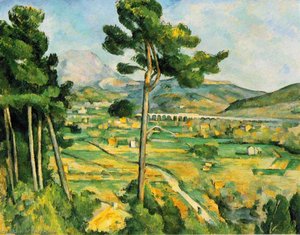
The Four Seasons, Spring
Розмір репродукції
Paul Cézanne's “The Four Seasons, Spring,” painted in 1861, isn’t merely a depiction of a pastoral scene; it’s an immersion into the artist’s intensely personal vision of nature and the human experience. This work, part of a quartet exploring the seasons, stands apart from its companions with a captivating blend of Romanticism and nascent Modernism—a foreshadowing of the radical shifts to come in 20th-century art. The painting immediately draws the eye with its vibrant palette – a symphony of greens, reds, and blues that evoke the burgeoning life of springtime. Yet, it’s not simply a celebration of color; Cézanne employs it strategically, layering hues to create an illusion of depth and movement, hinting at the dynamism beneath the tranquil surface.
At the heart of the composition stands a woman, draped in a flowing crimson gown, her arms raised as if caught in a moment of ecstatic dance. Her posture suggests both vulnerability and strength, inviting the viewer to contemplate her role within this carefully constructed world. The placement of two vases, stacked one atop the other, adds an intriguing element of formal structure to the scene – a deliberate counterpoint to the organic forms surrounding them. These aren’t merely decorative objects; they act as anchors, grounding the composition and subtly directing the eye through the painting.
Cézanne’s work is deeply rooted in Romanticism, a movement that prioritized emotion and imagination over strict realism. The dreamy quality of “The Four Seasons, Spring,” with its soft lighting and evocative atmosphere, reflects this influence. However, unlike the often-melancholic themes of Romanticism, Cézanne imbues his painting with an underlying sense of vitality and optimism. He’s not simply depicting a scene; he's capturing a feeling—the joyous exuberance of renewal.
It’s crucial to note that Cézanne was simultaneously engaged with the burgeoning Impressionist movement, yet he deliberately pushed beyond its purely optical concerns. While Impressionists sought to capture fleeting moments of light and color, Cézanne focused on the underlying structure of objects—the geometric forms that define their essence. This is evident in his use of broken brushstrokes and flattened planes of color, creating a sense of solidity and permanence within the painting. He was bridging the gap between the ephemeral and the enduring, a hallmark of his unique style.
The woman’s gesture—arms raised in an apparent dance or ritual—is laden with symbolic meaning. Some art historians interpret this as a representation of fertility and rebirth, aligning with the theme of spring. The red dress itself is often associated with passion, vitality, and the life force – further reinforcing this interpretation. The stacked vases could symbolize abundance and prosperity, mirroring the flourishing growth of nature during this season.
Furthermore, consider the background—the grassy expanse and distant landscape. These elements aren’t merely decorative; they contribute to the painting's overall sense of depth and perspective. Cézanne meticulously studied the effects of light and shadow, employing a technique known as “alla prima” – working directly onto the canvas without underdrawing – to achieve this remarkable realism. The composition feels both intimate and expansive, drawing the viewer into a world where art and nature converge.
Initially, Cézanne’s work was met with skepticism and criticism, dismissed by some as overly unconventional. However, his influence on subsequent generations of artists—including Picasso and Matisse—is undeniable. He paved the way for Cubism and other radical movements that challenged traditional notions of representation. “The Four Seasons, Spring” stands as a testament to Cézanne’s revolutionary vision – a painting that continues to captivate viewers with its beauty, complexity, and profound emotional resonance. Reproductions offer an accessible gateway to experiencing this pivotal work of art, allowing us to appreciate the genius of Paul Cézanne in our own homes.


1839 - 1906 , Франція

Explore the profound emotional depth of the Romanticism art movement. Discover how masters like Delacroix and Friedrich captured the sublime through passion, nature, and intuition in this definitive guide for history lovers and art collectors.


Будьте в курсі останніх новин зі світу мистецтва, ексклюзивних пропозицій та ідей для декорування.
Розкажіть нам про свій проєкт, і наші експерти з мистецтва підготують для вас 3 персоналізовані пропозиції щодо творів мистецтва.
Дозвольте нам підібрати 3 варіанти спеціально для вас — безкоштовно!


 Переглянути в інтер'єрі
 Надіслати як листівку
 Поділитися
 Детальніше

 Завантажити
 Схожі експонати
 Рентгенівське дослідження
 Слайд-шоу

 Читати далі







 Скляний варіант доступний лише для розмірів до 110 см