x

Написана вручну олією на полотні у вашому розмірі та рамі, виготовлена на замовлення нашими художниками. ( Замовити принт Купити цифрове зображення)





























Обирайте з наших стандартних розмірів, що відповідають оригінальним пропорціям твору мистецтва.

Ви можете вказати власні розміри, щоб репродукція ідеально підійшла до конкретної рами або інтер'єру. Якщо вибраний вами розмір не відповідає пропорціям оригіналу, ми або обріжемо полотно, або доповнимо картину додатковими елементами, промальованими вручну. Цифровий макет буде надіслано вам на затвердження перед початком виробництва.
Зверніть увагу, що попередній перегляд на екрані не відображає фактичне обрізання або розширення зображення. Тільки макет точно покаже остаточну композицію.
Хоча ми можемо виготовити виріб у нестандартному розмірі, для збереження оригінальних пропорцій рекомендуємо обирати варіанти зі встановленого списку.
Доставка по всьому світу () за 3–4 тижні замість стандартних 5 тижнів. (18 Серпень). Без жодних компромісів у якості.


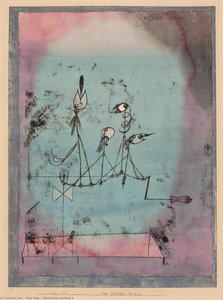
Everything runs after something
Розмір репродукції
Paul Klee's “Everything Runs After Something” isn’t merely a drawing; it’s a distilled essence of artistic impulse, a visual meditation on the elusive origins of creativity itself. Executed in stark monochrome—primarily shades of gray—the artwork embodies Klee’s signature style: naive art, or primitive art – a deliberate rejection of academic conventions favoring simplicity, distortion, and an intuitive engagement with form.
Born in Münchenbuchsee, Switzerland, in 1879, Paul Klee’s artistic trajectory was profoundly shaped by his upbringing amidst musical influences. His father, a music teacher, instilled in him an acute sensitivity to harmonic relationships—a connection that would permeate his visual vocabulary. This early exposure to music informed Klee's compositional approach and underpinned his belief that art could communicate emotion akin to musical arrangement.
Klee’s artistic journey was marked by experimentation with diverse mediums, including watercolor, gouache, lithography, and collage—a testament to his unwavering pursuit of innovation. He embraced the Bauhaus aesthetic, collaborating with Josef Albers and László Moholy-Nagy on groundbreaking projects that explored the interplay between color and form.
“Everything Runs After Something” speaks to a deeper philosophical concern: the notion that creativity originates from forces beyond conscious awareness. As Klee himself articulated, “My hand has become the obedient instrument of a remote will.” This statement encapsulates the artist’s conviction that artistic expression transcends rational thought—tapping into an unconscious reservoir of inspiration.
The artwork's subdued palette and simplified forms evoke feelings of melancholy and introspection. It invites viewers to contemplate the mysteries of existence, mirroring Klee’s own lifelong quest for spiritual understanding. Zentrum Paul Klee in Bern houses the world’s largest collection of Klee’s artworks—a pilgrimage for anyone interested in experiencing the profound beauty of this singular artistic vision.

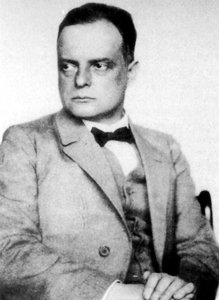
1879 - 1940 , Швейцарія

Explore the profound artistry of black and white photography. From the chemistry of gelatin silver to the chiaroscuro of the Old Masters, discover how monochrome captures the eternal essence of light, form, and emotion for the discerning art collector.


Будьте в курсі останніх новин зі світу мистецтва, ексклюзивних пропозицій та ідей для декорування.
Розкажіть нам про свій проєкт, і наші експерти з мистецтва підготують для вас 3 персоналізовані пропозиції щодо творів мистецтва.
Дозвольте нам підібрати 3 варіанти спеціально для вас — безкоштовно!


 Переглянути в інтер'єрі
 Надіслати як листівку
 Поділитися
 Детальніше

 Завантажити
 Схожі експонати
 Рентгенівське дослідження
 Слайд-шоу
 Читати далі







 Скляний варіант доступний лише для розмірів до 110 см