x

 Acrylic On CanvasWallArtExpressionism
 1921Early Medieval
 52.0 x 41.0 cm
 Aichi Prefectural Museum of Art
Написана вручну олією на полотні у вашому розмірі та рамі, виготовлена на замовлення нашими художниками. ( Замовити принт Купити цифрове зображення)





























Обирайте з наших стандартних розмірів, що відповідають оригінальним пропорціям твору мистецтва.

Ви можете вказати власні розміри, щоб репродукція ідеально підійшла до конкретної рами або інтер'єру. Якщо вибраний вами розмір не відповідає пропорціям оригіналу, ми або обріжемо полотно, або доповнимо картину додатковими елементами, промальованими вручну. Цифровий макет буде надіслано вам на затвердження перед початком виробництва.
Зверніть увагу, що попередній перегляд на екрані не відображає фактичне обрізання або розширення зображення. Тільки макет точно покаже остаточну композицію.
Хоча ми можемо виготовити виріб у нестандартному розмірі, для збереження оригінальних пропорцій рекомендуємо обирати варіанти зі встановленого списку.
Доставка по всьому світу () за 3–4 тижні замість стандартних 5 тижнів. (20 Серпень). Без жодних компромісів у якості.


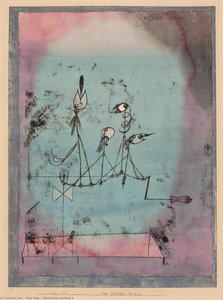
Women
Розмір репродукції
Paul Klee's “Women,” painted in 1921, isn’t a straightforward depiction; it’s an invitation into a deeply personal and profoundly evocative dreamscape. This work, rendered primarily in shades of charcoal, gray, and deep green punctuated by flashes of red and yellow, immediately arrests the viewer with its fragmented composition and ambiguous subject matter. It's a piece that resists easy interpretation, prompting contemplation rather than offering immediate answers – a hallmark of Klee’s artistic philosophy and his engagement with Expressionism and Primitivism. The painting feels less like a representation of reality and more like a distillation of emotion, memory, and perhaps even the subconscious.
The composition itself is deliberately unsettling. Two central groupings of figures, resembling women holding parasols or branches, are positioned slightly off-center, creating a sense of imbalance and drawing the eye through a complex network of overlapping shapes. These aren’t portraits in the traditional sense; Klee has stripped them down to their essential forms – simplified silhouettes that hint at humanity without revealing individual identity. Horizontal lines establish a grounding depth, while vertical elements define the figures, contributing to a layered effect reminiscent of architectural plans or even musical scores. This deliberate flattening of perspective, characteristic of Klee’s style, further enhances the painting's dreamlike quality.
Klee masterfully employs both sharp and soft lines to achieve a remarkable textural complexity. Geometric shapes – circles, triangles, and squares – are juxtaposed with organic forms, creating a dynamic tension that mirrors the painting’s emotional core. The color palette is deliberately restrained, dominated by dark tones that evoke feelings of melancholy and mystery. However, strategic accents of vibrant red, yellow, and muted green inject moments of visual interest and subtly shift the mood. These colors aren't used realistically; instead, they serve to amplify the painting’s atmosphere and underscore its symbolic weight. The watercolor and ink techniques Klee utilized allowed for subtle gradations in color and texture, lending a remarkable sense of depth and movement to the surface.
“Women” is rich with potential symbolism, though Klee himself often resisted definitive interpretations. The figures holding parasols or branches could represent protection, guidance, or perhaps even the burdens of societal expectations. The overall setting – a fragmented cityscape – suggests alienation and isolation, reflecting themes prevalent in Klee’s work during this period. The painting evokes feelings of melancholy, mystery, and a sense of timelessness. It's not simply about women; it’s about the human condition itself—the complexities of relationships, the search for meaning, and the inherent ambiguity of life. The lack of distinct features on the figures contributes to their universality, suggesting that they represent all women rather than any specific individual.
Paul Klee’s “Women” stands as a testament to his unique artistic vision – a synthesis of Expressionism, Cubism, and Surrealism. The painting's creation in 1921 coincided with a period of intense experimentation for the artist, reflecting his ongoing exploration of color theory, musicality, and the relationship between art and emotion. The work’s influence can be seen in subsequent generations of artists who embraced abstraction and sought to express subjective experience through visual form. Today, reproductions of “Women” continue to captivate viewers with their haunting beauty and enduring mystery. It remains a powerful example of Klee's ability to transform simple forms into profound expressions of the human spirit.

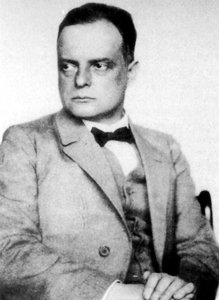
1879 - 1940 , Швейцарія
Explore the profound emotional depth of Lyrical Abstraction. Discover how masters like Raymond Parker used color and form to bridge Impressionism and Abstract Expressionism. Learn about this pivotal movement through our expert-led art history guide.

Explore the profound history and emotional depth of Abstract Expressionism. From Jackson Pollock to Mark Rothko, master the nuances of the New York School through our expert art history guide. Discover museum-quality hand-painted reproductions for your collection.

Explore the profound emotional depth of Color Field painting. Discover the history of mid-century abstraction, from Rothko to Newman, and learn how pure color transforms the viewer's experience through our expert art history guide.


Будьте в курсі останніх новин зі світу мистецтва, ексклюзивних пропозицій та ідей для декорування.
Розкажіть нам про свій проєкт, і наші експерти з мистецтва підготують для вас 3 персоналізовані пропозиції щодо творів мистецтва.
Дозвольте нам підібрати 3 варіанти спеціально для вас — безкоштовно!


 Переглянути в інтер'єрі
 Надіслати як листівку
 Поділитися
 Детальніше

 Завантажити
 Схожі експонати
 Рентгенівське дослідження
 Слайд-шоу
 Читати далі







 Скляний варіант доступний лише для розмірів до 110 см