x

 Замовити репродукцію Купити цифрове зображення
 Надіслати
 Деталі витвору
 Додати до улюблених
 Завантажити
 Схожі вироби
 Рентгенівське дослідження
 Слайд-шоу
Музейна якість друку جيкле або на полотні з оперативним виготовленням та різноманітними варіантами фінішної обробки.





























Обирайте з наших стандартних розмірів, що відповідають оригінальним пропорціям твору мистецтва.

Ви можете вказати власні розміри, щоб репродукція ідеально підійшла до конкретної рами або інтер'єру. Якщо обраний вами розмір не відповідає пропорціям оригіналу, ми або обріжемо полотно, або розширимо зображення за допомогою дзеркального відображення чи суцільної заливки країв. Перед початком виробництва вам буде надіслано цифровий макет для затвердження.
Будь ласка, зверніть увагу, що попередній перегляд на екрані не відображає фактичне обрізання або розширення. Тільки макет точно покаже фінальну композицію.
Хоча можливість замовлення індивідуальних розмірів доступна, ми рекомендуємо обирати формат із попередньо визначеного списку, щоб зберегти оригінальні пропорції.
Доставка по всьому світу () за 2 тижні замість стандартних 4/5 тижнів. (19 Липень)


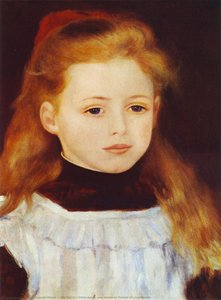
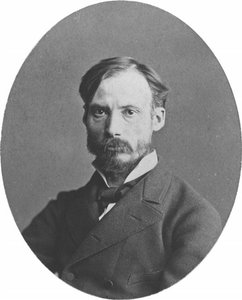
Coco
Розмір репродукції
Pierre-Auguste Renoir's "Coco," a deceptively simple black and white drawing, is far more than a portrait; it’s a window into the artist’s evolving understanding of form, light, and human emotion. Born in Limoges in 1841, Renoir’s early life was steeped in the practicalities of porcelain painting – a skill he honed before dedicating himself fully to his artistic ambitions. This apprenticeship, however, proved invaluable, fostering an acute observation of detail and a deep appreciation for texture, qualities that would later inform his Impressionistic style. The drawing itself, though lacking specific provenance details, embodies this meticulous approach. It captures a man—likely a friend or acquaintance of Renoir’s—in a moment of quiet introspection. His posture is relaxed yet attentive, his gaze downward suggesting an absorption in thought, perhaps examining something held gently within his hand.
While rendered in monochrome, “Coco” reveals the hallmarks of Renoir’s developing technique. Notice how he doesn't simply outline the figure; instead, he employs subtle gradations of tone to create a sense of volume and depth. The shading is delicate, almost translucent, mimicking the way light would play across skin and fabric. This masterful manipulation of shadow isn’t merely about depicting form; it’s about capturing the *feeling* of light – its warmth, its diffusion, its ability to transform the mundane into something beautiful. Renoir was deeply influenced by his studies at the Louvre, particularly the works of artists like Ingres and Delacroix, who demonstrated a sophisticated understanding of chiaroscuro—the dramatic contrast between light and dark—a technique he skillfully adapted to his own style.
The subject’s attire – a suit and tie – immediately places “Coco” within the context of late 19th-century Parisian society. This was an era of rapid industrialization, social change, and burgeoning urban life. Portraits like this weren't simply representations of individuals; they were statements about status, profession, and belonging. The man’s downward gaze could be interpreted as a reflection on the complexities of modern existence – the pressures of commerce, the anxieties of a rapidly changing world. Renoir frequently depicted figures engaged in everyday activities, elevating these ordinary moments to the level of art. Here, he invites us to contemplate the quiet dignity and introspection within the commonplace.
Explore our collection of Pierre-Auguste Renoir reproductions today and bring the evocative beauty of "Coco" into your home or office. Each reproduction is a testament to the enduring power of art and the artist’s ability to capture the essence of human experience.

1841 - 1919 , Франція

Explore the power of black, white & gray abstraction in modern interior design. Discover how minimalist art impacts spatial perception & creates sophisticated hotel spaces. Expert insights for designers.

Відкрийте 25 найкращих картин Джона Сінґера Са́рджента – американського імпресіоніста, майстра портретів та елегантного живопису. Історія мистецтва, техніки та натхнення для вашого дому від Most-Famous-Paintings.com! Дослідіть повну колекцію онлайн.

Відкрийте для себе 10 найвідоміших картин, де панує магія чорного кольору. Історія Ван Гога, Пікассо та інших геніїв живопису. Купіть репродукцію шедевру на Most-Famous-Paintings.com та створіть вишуканий інтер'єр!

Explore the rich history & artistic power of black and white photography. From early techniques to iconic masters like Ansel Adams, discover why monochrome continues to captivate art lovers today. Expert insights for collectors.

Explore the captivating world of monochrome art! Discover its rich history, influential artists like Malevich & Klein, and profound emotional impact. Expert insights for collectors & design enthusiasts.


Будьте в курсі останніх новин зі світу мистецтва, ексклюзивних пропозицій та ідей для декорування.
Розкажіть нам про свій проєкт, і наші експерти з мистецтва підготують для вас 3 персоналізовані пропозиції щодо творів мистецтва.
Дозвольте нам підібрати 3 варіанти спеціально для вас — безкоштовно!


 Поділитися


 Розгорнути текст







 Скляний варіант доступний лише для розмірів до 110 см