


x
Придбайте цифрову копію високої роздільної здатності з покращеною якістю, що значно перевершує онлайн-перегляд.
Кожен файл ретельно підготовлений нашими фахівцями за допомогою сучасних інструментів та професійної ручної ретуші. Ми гарантуємо виняткову чіткість, точну передачу кольору та високу деталізацію кожного зображення.
Фінальний файл надсилається електронною поштою протягом 72 годин і оптимізований для негайного використання у професійних виданнях та друкованих матеріалах. Таку якість обирають провідні дизайнерські студії, видавництва та галереї.
Завантажте файл високої роздільної здатності для особистого використання, друку та творчих проєктів. ( Замовити принт Замовити репродукцію ручної роботи)
Обираючи Most-Famous-Paintings.com, ви отримуєте не просто зображення — ви отримуєте професійно вдосконалений цифровий витвір мистецтва, створений з надзвичайною точністю та підкріплений гарантією задоволення. Ось усе, що автоматично додається до вашого замовлення:

Ваш цифровий файл із зображенням високої роздільної здатності буде надісланий вам електронною поштою протягом 72 годин після оформлення замовлення — він буде готовий до негайного використання.

Ваш витвір мистецтва професійно оптимізовано за допомогою передових інструментів штучного інтелекту та ручної корекції, що забезпечує максимальну деталізацію, чіткість і точність передачі кольорів.

Випадково видалили або втратили файл? Не хвилюйтеся — ми надішлемо його вам повторно в будь-який час безкоштовно.

Насолоджуйтесь вашим витвором мистецтва миттєво без жодних мит, зборів або плати за доставку — цифрові завантаження завжди не оподатковуються.

Ми гарантуємо максимально точне відтворення оригінальних кольорів на вашому цифровому зображенні завдяки використанню професійних інструментів та систем управління кольором.

Якщо ви не задоволені придбаним цифровим зображенням, ми відкоригуємо його або повернемо 100% вартості протягом 60 днів — без жодних запитань.

Не задоволені покупкою? Отримайте повне повернення коштів протягом 60 днів після отримання цифрового файлу — без жодних запитань.

Купуйте 3 зображення — заощаджуйте 10% — Купуйте 5 — заощаджуйте 15% — Купуйте 10+ — заощаджуйте 20%. Чудово підходить для творчих проєктів, галерей та агентств.

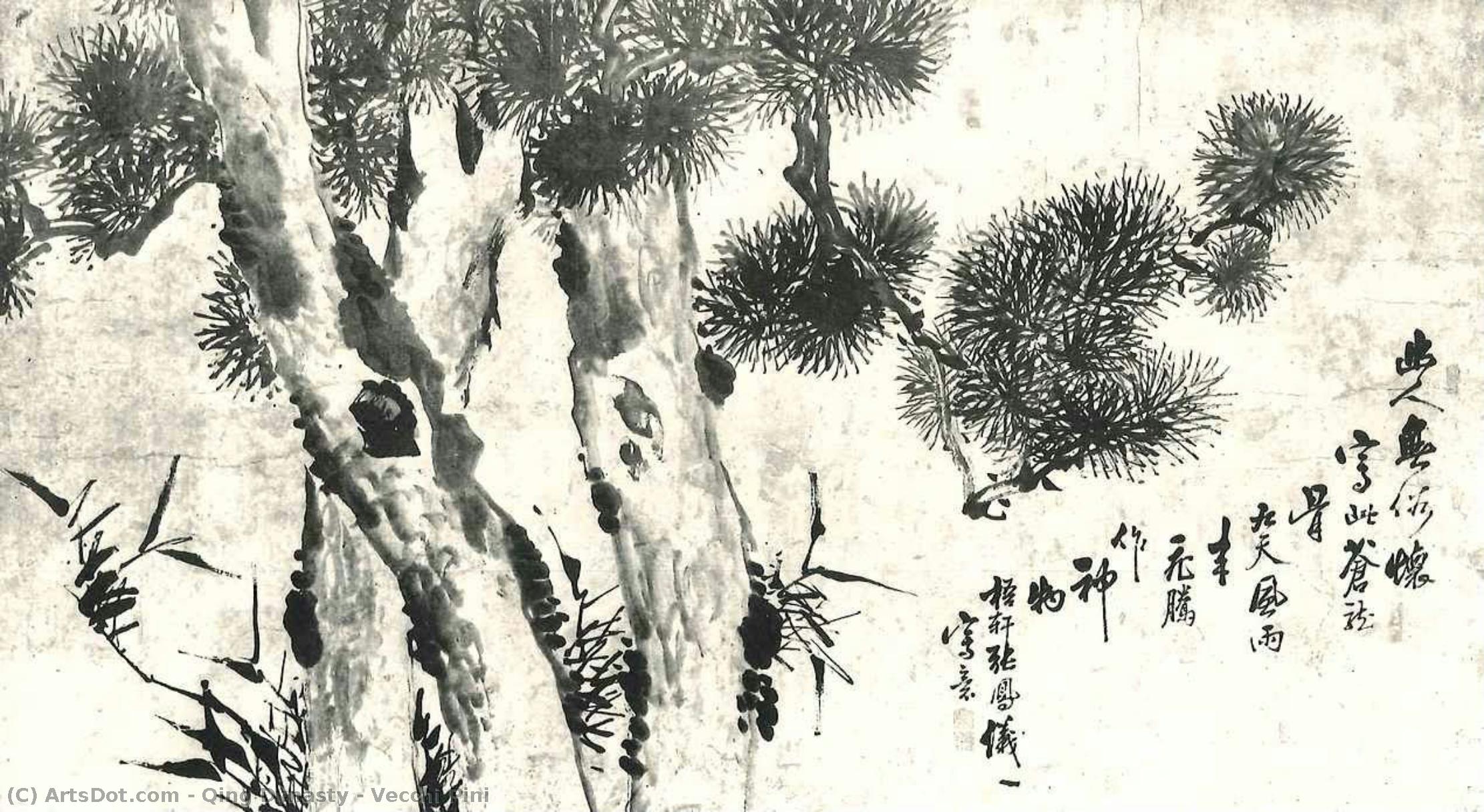
The Qing Dynasty (1644–1912), often referred to as the Great Qing, represents one of the most profound and visually spectacular chapters in the long tapestry of Chinese history. It was an era defined by a complex synthesis of Manchu ambition and the deep-rooted traditions of Han Chinese culture. Emerging from the turbulent collapse of the Ming Dynasty, the Manchus established a new imperial order centered in Beijing, creating a period of unprecedented cultural production that would eventually leave an indelible mark on the global perception of Chinese aesthetics. This was not merely a time of political consolidation but a golden age of artistic innovation, where the boundaries between decorative splendor and fine art often blurred into a single, magnificent expression of imperial power.
The artistic foundations of this era were built upon a meticulous reverence for the past, yet they were simultaneously propelled by a spirit of adaptation. Early Qing painters, many of whom served within the prestigious Imperial Court, drew their strength from the classical techniques perfected during the preceding Ming period. They mastered the delicate balance of brushwork, color palettes, and compositional principles rooted in Daoist philosophy and Confucian ideals of harmony. As the dynasty progressed, the influence of Zen Buddhism introduced a new layer of emotional depth to the canvas, encouraging artists to capture the spontaneous essence of nature through the Xieyi style—a method that prioritized the "spirit" of the subject over mere anatomical or botanical accuracy.
One of the most enduring legacies of the Qing era lies in the breathtaking precision of the Gongbi painting style. This meticulous approach to art demanded extraordinary patience and technical skill, as painters employed layered brushstrokes and vibrant pigments to achieve a level of realism that felt almost luminous. Artists such as Tingqua became renowned for these highly detailed works, which often featured delicate flora and fauna rendered with such clarity that they became sought-after treasures in Western collections. This period saw the artist's hand working in perfect concert with nature, capturing every nuance of texture, from the softest petal to the ruggedness of ancient stone.
Beyond the realm of paper and silk, the Qing Dynasty achieved a zenith in the production of ceramics that remains unsurpassed. The imperial porcelain capital of Jingdezhen became a crucible of innovation, producing vessels that were as much sculptural masterpieces as they were functional objects. During the Kangxi reign (1662–1722), the creation of magnificent blue and gold wares showcased a sophisticated palette that evoked both tranquility and luxury. The introduction of "soft paste" techniques around 1700 AD allowed for even more daring and intricate designs, embodying the era's characteristic blend of technical experimentation and refined elegance.
The significance of Qing Dynasty art extends far beyond its aesthetic beauty; it serves as a vital historical record of a changing world. The era witnessed a fascinating dialogue between traditional Chinese values and burgeoning Western influences, particularly through the flourishing of export paintings that catered to a global market. This period of intense cultural production reflected the empire's vast territorial reach—stretching from the Sea of Japan to the Pamir Mountains—and its ability to absorb diverse influences into a cohesive imperial identity.
As the dynasty approached its twilight in the early 20th century, the art continued to evolve, reflecting the social shifts and the eventual transition toward the Republic of China. The works produced during this time remain essential for understanding the evolution of East Asian aesthetics. Whether through the monumental landscapes that spoke of eternal order or the delicate porcelain that whispered of imperial grace, the art of the Great Qing remains a testament to a civilization at its most visually opulent and culturally complex.

1644 - 1911 , China


Будьте в курсі останніх новин зі світу мистецтва, ексклюзивних пропозицій та ідей для декорування.
Розкажіть нам про свій проєкт, і наші експерти з мистецтва підготують для вас 3 персоналізовані пропозиції щодо творів мистецтва.
Дозвольте нам підібрати 3 варіанти спеціально для вас — безкоштовно!


 Переглянути в інтер'єрі
 Надіслати як листівку
 Поділитися
 Детальніше

 Завантажити
 Схожі експонати
 Рентгенівське дослідження
 Слайд-шоу
 Читати далі





