x

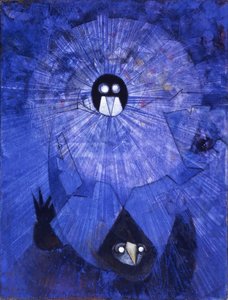
 51.0 x 66.0 cm
 Royal West of England Academy
Придбайте цифрову копію високої роздільної здатності з покращеною якістю, що значно перевершує онлайн-перегляд.
Кожен файл ретельно підготовлений нашими фахівцями за допомогою сучасних інструментів та професійної ручної ретуші. Ми гарантуємо виняткову чіткість, точну передачу кольору та високу деталізацію кожного зображення.
Фінальний файл надсилається електронною поштою протягом 72 годин і оптимізований для негайного використання у професійних виданнях та друкованих матеріалах. Таку якість обирають провідні дизайнерські студії, видавництва та галереї.
Завантажте файл високої роздільної здатності для особистого використання, друку та творчих проєктів. ( Замовити принт Замовити репродукцію ручної роботи)
Обираючи Most-Famous-Paintings.com, ви отримуєте не просто зображення — ви отримуєте професійно вдосконалений цифровий витвір мистецтва, створений з надзвичайною точністю та підкріплений гарантією задоволення. Ось усе, що автоматично додається до вашого замовлення:

Ваш цифровий файл із зображенням високої роздільної здатності буде надісланий вам електронною поштою протягом 72 годин після оформлення замовлення — він буде готовий до негайного використання.

Ваш витвір мистецтва професійно оптимізовано за допомогою передових інструментів штучного інтелекту та ручної корекції, що забезпечує максимальну деталізацію, чіткість і точність передачі кольорів.

Випадково видалили або втратили файл? Не хвилюйтеся — ми надішлемо його вам повторно в будь-який час безкоштовно.

Насолоджуйтесь вашим витвором мистецтва миттєво без жодних мит, зборів або плати за доставку — цифрові завантаження завжди не оподатковуються.

Ми гарантуємо максимально точне відтворення оригінальних кольорів на вашому цифровому зображенні завдяки використанню професійних інструментів та систем управління кольором.

Якщо ви не задоволені придбаним цифровим зображенням, ми відкоригуємо його або повернемо 100% вартості протягом 60 днів — без жодних запитань.

Не задоволені покупкою? Отримайте повне повернення коштів протягом 60 днів після отримання цифрового файлу — без жодних запитань.

Купуйте 3 зображення — заощаджуйте 10% — Купуйте 5 — заощаджуйте 15% — Купуйте 10+ — заощаджуйте 20%. Чудово підходить для творчих проєктів, галерей та агентств.

Reginald Gammon (1921-2005) stands as a pivotal figure in American art, particularly for his unflinching portrayals of the Civil Rights Movement and the vibrant world of jazz music. Born in Philadelphia during a period of immense social upheaval, Gammon’s life and work were inextricably linked to the struggles and triumphs of Black Americans. He wasn't merely an observer; he was a participant, translating the urgency and complexity of his era onto canvas and into print, forging a distinctive visual language that continues to resonate today.
Reginald Adolphus Gammon’s artistic journey began at the Philadelphia Museum School of Industrial Art in 1941. This formative period exposed him to a diverse range of techniques, laying the groundwork for his later explorations of realism and social commentary. Crucially, his service in the United States Navy during World War II, stationed in Guam from 1944-1946, profoundly shaped his perspective. Witnessing firsthand the realities of war and displacement instilled within him a deep sense of empathy and a commitment to documenting the experiences of marginalized communities.
Following the war, Gammon relocated to New York City, immersing himself in the burgeoning art scene. He honed his skills through further study at Tyler School of Fine Art and Temple University, absorbing influences from various movements while simultaneously developing his own unique style – one characterized by bold colors, dynamic compositions, and a powerful sense of immediacy.
A watershed moment in Gammon’s career arrived in 1963 when he joined Spiral, an influential collective of African American artists dedicated to addressing the social and political realities of the Civil Rights Movement. This group, centered around Romare Bearden's studio, represented a radical shift in artistic practice – a deliberate effort to integrate the concerns of Black Americans into their work. Spiral’s name itself—a reference to the spiral staircase at the Metropolitan Museum of Art—symbolized the collective’s ambition to ascend and challenge the established art world.
Gammon's involvement with Spiral led to some of his most iconic works, including “Freedom Now” (1965), a searing depiction of a protest march that powerfully captured the spirit of resistance. These paintings weren’t simply representations; they were acts of social engagement, designed to provoke dialogue and inspire action.
Gammon's artistic output spanned a diverse range of subjects, but several recurring themes consistently defined his work. The Civil Rights Movement remained a central focus, with paintings like “Harlem 66” (1966) offering unflinching portraits of individuals caught in the crosshairs of racial injustice. Beyond protest imagery, Gammon also depicted the vibrant culture of jazz music – capturing the energy and emotion of musicians and audiences alike. He was equally adept at portraying everyday life, imbuing scenes of urban landscapes and domestic interiors with a sense of quiet dignity and resilience.
Technically, Gammon’s style evolved over time. Initially influenced by Social Realism, he gradually incorporated elements of Fauvism and Expressionism, utilizing bold colors and dynamic brushstrokes to convey emotion and create visual impact. His prints, often executed in limited color palettes, were characterized by their graphic power and meticulous attention to detail.
Reginald Gammon’s contribution to American art extends far beyond his individual paintings and prints. He was a key figure in the Black Arts Movement, actively challenging racial stereotypes and advocating for greater representation within the art world. His involvement with Spiral and the New Grounds Print Workshop played a crucial role in fostering artistic collaboration and promoting social justice.
Furthermore, Gammon’s work served as a vital visual record of a turbulent era – documenting the struggles, triumphs, and everyday experiences of Black Americans during the Civil Rights Movement. His art continues to be studied and appreciated for its power, honesty, and enduring relevance. His papers, held at the Smithsonian Archives of American Art, offer invaluable insight into his life’s work and artistic philosophy.

1921 - 2005


Будьте в курсі останніх новин зі світу мистецтва, ексклюзивних пропозицій та ідей для декорування.
Розкажіть нам про свій проєкт, і наші експерти з мистецтва підготують для вас 3 персоналізовані пропозиції щодо творів мистецтва.
Дозвольте нам підібрати 3 варіанти спеціально для вас — безкоштовно!


 Переглянути в інтер'єрі
 Надіслати як листівку
 Поділитися
 Детальніше

 Завантажити
 Схожі експонати
 Рентгенівське дослідження
 Слайд-шоу
 Читати далі