x

Написана вручну олією на полотні у вашому розмірі та рамі, виготовлена на замовлення нашими художниками. ( Замовити принт Купити цифрове зображення)





























Обирайте з наших стандартних розмірів, що відповідають оригінальним пропорціям твору мистецтва.

Ви можете вказати власні розміри, щоб репродукція ідеально підійшла до конкретної рами або інтер'єру. Якщо вибраний вами розмір не відповідає пропорціям оригіналу, ми або обріжемо полотно, або доповнимо картину додатковими елементами, промальованими вручну. Цифровий макет буде надіслано вам на затвердження перед початком виробництва.
Зверніть увагу, що попередній перегляд на екрані не відображає фактичне обрізання або розширення зображення. Тільки макет точно покаже остаточну композицію.
Хоча ми можемо виготовити виріб у нестандартному розмірі, для збереження оригінальних пропорцій рекомендуємо обирати варіанти зі встановленого списку.
Доставка по всьому світу () за 3–4 тижні замість стандартних 5 тижнів. (19 Серпень). Без жодних компромісів у якості.


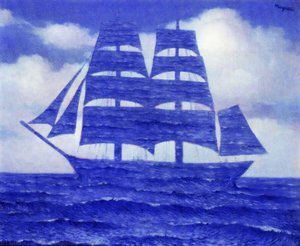
La parabole
Розмір репродукції
René Magritte’s “La parabole,” painted in 1955, stands as a quintessential example of surrealist art—a genre that sought to liberate imagination from rational constraints and explore the subconscious realm. More than just an aesthetically pleasing image, it's a deliberate provocation, inviting viewers to question their perceptions of reality and delve into the complexities of human experience.
Magritte executed “La parabole” in gouache—a watercolor-based medium known for its opacity and ability to achieve rich, velvety tones. This technique lends itself beautifully to capturing the muted palette characteristic of Magritte’s oeuvre, emphasizing subtle gradations of color rather than bold hues. The artist meticulously blended shades of grey and ochre, creating an atmosphere of quiet contemplation.
"La parabole" emerged during the height of Magritte's engagement with surrealism—a movement born from the Dada nihilism of World War I and fueled by psychoanalytic theories pioneered by Sigmund Freud. Surrealists aimed to tap into dreams, fantasies, and irrational impulses as sources of artistic inspiration.
“The painter must depict what he sees,” Magritte famously declared, “but not necessarily what is there.” This statement encapsulates the core principle of surrealist art—the rejection of literal representation in favor of symbolic imagery that challenges conventional notions of truth. The painting’s central figure stands silently observing the buildings and trees, embodying the viewer's role as active participant in interpreting the artwork’s meaning.The most striking element of “La parabole” is its paradoxical juxtaposition of familiar objects—buildings and trees—within an unfamiliar setting. This visual dissonance underscores Magritte's preoccupation with the elusive nature of perception and his exploration of the gap between appearance and reality. The white house, often interpreted as representing intellect or enlightenment, obscures the face of the person in the foreground, symbolizing hidden knowledge and the impossibility of fully grasping the world around us.
"La parabole" lingers in the viewer’s mind long after encountering it—provoking contemplation about fundamental questions concerning consciousness and experience. Its quiet stillness and understated beauty invite introspection, prompting us to consider how our perceptions shape our understanding of reality. Magritte's masterpiece continues to resonate with audiences today as a testament to the enduring power of surrealist art to unsettle expectations and illuminate hidden truths.

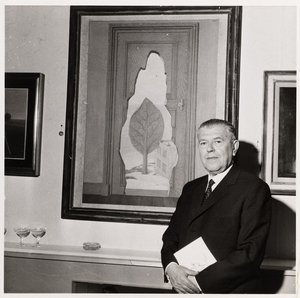
1898 - 1967 , Бельгія

Explore the profound mystery of René Magritte’s 'The Treachery of Images.' Dive into an expert analysis of his Surrealist philosophy, the paradox of representation, and how he challenged reality through the interplay of language and visual perception.

Explore the profound depths of Surrealism. From Dalí’s dreamscapes to Magritte’s enigmas, master the history of the subconscious mind through our expert art guide and discover museum-quality oil reproductions of the world's most iconic surrealist masterpieces.


Будьте в курсі останніх новин зі світу мистецтва, ексклюзивних пропозицій та ідей для декорування.
Розкажіть нам про свій проєкт, і наші експерти з мистецтва підготують для вас 3 персоналізовані пропозиції щодо творів мистецтва.
Дозвольте нам підібрати 3 варіанти спеціально для вас — безкоштовно!


 Переглянути в інтер'єрі
 Надіслати як листівку
 Поділитися
 Детальніше

 Завантажити
 Схожі експонати
 Рентгенівське дослідження
 Слайд-шоу
 Читати далі







 Скляний варіант доступний лише для розмірів до 110 см