


x

Музейна якість друку جيкле або на полотні з оперативним виготовленням та різноманітними варіантами фінішної обробки. ( Замовити репродукцію ручної роботи Купити цифрове зображення)





























Обирайте з наших стандартних розмірів, що відповідають оригінальним пропорціям твору мистецтва.

Ви можете вказати власні розміри, щоб репродукція ідеально підійшла до конкретної рами або інтер'єру. Якщо обраний вами розмір не відповідає пропорціям оригіналу, ми або обріжемо полотно, або розширимо зображення за допомогою дзеркального відображення чи суцільної заливки країв. Перед початком виробництва вам буде надіслано цифровий макет для затвердження.
Будь ласка, зверніть увагу, що попередній перегляд на екрані не відображає фактичне обрізання або розширення. Тільки макет точно покаже фінальну композицію.
Хоча можливість замовлення індивідуальних розмірів доступна, ми рекомендуємо обирати формат із попередньо визначеного списку, щоб зберегти оригінальні пропорції.
Доставка по всьому світу () за 2 тижні замість стандартних 4/5 тижнів. (23 Серпень)


Le jockey perdu
Розмір репродукції
René Magritte’s “Le Jockey Perdù,” painted in 1926, stands as a cornerstone of Belgian surrealism and a testament to the artist's masterful manipulation of visual paradox. More than just a depiction of a horse rider under a luminous moon, this seemingly simple composition unravels layers of psychological complexity and invites contemplation on themes of identity, memory, and the elusive nature of reality itself.
The painting’s stark aesthetic—characterized by muted earthy tones contrasted against an intensely white lunar glow—immediately establishes a mood of quiet melancholy. Magritte eschews traditional realism, opting instead for a deliberate distortion that prioritizes suggestion over representation. The horse, positioned slightly off-center to the left, embodies stability and movement simultaneously; its lowered head hints at vulnerability while maintaining a posture indicative of purposeful action.
Historically situated within the burgeoning avant-garde scene of Brussels in the early 1920s, “Le Jockey Perdù” reflects the anxieties and intellectual ferment of its time. Magritte was deeply influenced by thinkers like Sigmund Freud and Carl Jung, whose theories on psychoanalysis explored the power of unconscious thought and symbolism. This fascination is evident in the painting’s deliberate ambiguity—the rider's obscured face symbolizes the hidden self, mirroring the artist’s own preoccupation with confronting inner demons.
Symbolism permeates every element of the artwork. The moon itself represents illumination but also concealment; it casts a spotlight on the horse and rider while simultaneously obscuring their faces, suggesting that what is seen may not be what truly exists. The lost jockey embodies the forgotten past—a figure adrift in space, representing the impermanence of experience and the difficulty of grasping fundamental truths.
“Le Jockey Perdù” transcends mere visual depiction; it’s an invitation to engage in a dialogue with the viewer about perception and memory. Its enduring appeal lies in its ability to provoke questions about how we interpret the world around us and what constitutes genuine understanding. A reproduction of this iconic artwork would bring a touch of Magritte's contemplative spirit into any interior space, fostering reflection and stimulating imaginative thought.

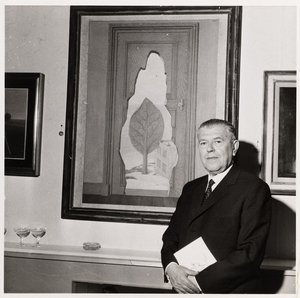
1898 - 1967 , Бельгія

Journey through art history's most serene lake landscapes. From Romantic vistas to light-drenched Impressionist waters, discover the stories behind these iconic masterpieces and find museum-quality, hand-painted oil reproductions for your private collection.

Explore the profound mystery of René Magritte’s 'The Treachery of Images.' Dive into an expert analysis of his Surrealist philosophy, the paradox of representation, and how he challenged reality through the interplay of language and visual perception.

Journey through the evolution of landscape art, from sacred Renaissance vistas to Surrealist dreamscapes. Gain expert historical insights and discover exquisite, hand-painted oil reproductions of the world's most iconic masterpieces at Most-Famous-Paintings.com.


Будьте в курсі останніх новин зі світу мистецтва, ексклюзивних пропозицій та ідей для декорування.
Розкажіть нам про свій проєкт, і наші експерти з мистецтва підготують для вас 3 персоналізовані пропозиції щодо творів мистецтва.
Дозвольте нам підібрати 3 варіанти спеціально для вас — безкоштовно!


 Переглянути в інтер'єрі
 Надіслати як листівку
 Поділитися
 Детальніше

 Завантажити
 Схожі експонати
 Рентгенівське дослідження
 Слайд-шоу
 Читати далі







 Скляний варіант доступний лише для розмірів до 110 см


