x


Музейна якість друку جيкле або на полотні з оперативним виготовленням та різноманітними варіантами фінішної обробки. ( Switch to hand made Painting Switch to Image)





























Обирайте з наших стандартних розмірів, що відповідають оригінальним пропорціям твору мистецтва.

Ви можете вказати власні розміри, щоб репродукція ідеально підійшла до конкретної рами або інтер'єру. Якщо обраний вами розмір не відповідає пропорціям оригіналу, ми або обріжемо полотно, або розширимо зображення за допомогою дзеркального відображення чи суцільної заливки країв. Перед початком виробництва вам буде надіслано цифровий макет для затвердження.
Будь ласка, зверніть увагу, що попередній перегляд на екрані не відображає фактичне обрізання або розширення. Тільки макет точно покаже фінальну композицію.
Хоча можливість замовлення індивідуальних розмірів доступна, ми рекомендуємо обирати формат із попередньо визначеного списку, щоб зберегти оригінальні пропорції.
Доставка по всьому світу () за 2 тижні замість стандартних 4/5 тижнів. (30 Липень)


The flash
Розмір репродукції
René Magritte's "The Flash," painted in 1959, is not merely a depiction of a tree and its blossoms; it’s an arresting invitation to question the very nature of reality. This seemingly simple still life, rendered with Magritte’s signature meticulous detail and unsettling juxtapositions, embodies the core tenets of Surrealism – a movement dedicated to unlocking the subconscious mind and challenging conventional ways of seeing. The painting immediately draws the viewer in with its vibrant palette: the deep purple hues of the leaves contrast sharply with the luminous white of the flowers, while the cool blues of the sky peek through the gaps in the foliage, creating an almost dreamlike atmosphere.
Magritte’s technique is deceptively straightforward. He employs a precise, almost photographic realism, meticulously rendering each leaf and petal as if capturing them with a camera. However, this technical mastery serves to heighten the painting's surreal effect. The tree itself appears slightly off-kilter, its branches reaching towards the sky in an unnatural manner. More significantly, the inclusion of the open blue sky behind the foliage is profoundly disorienting. It suggests that what we perceive as a solid, contained natural scene is actually an illusion, a window into something beyond our immediate understanding. This deliberate disruption of spatial relationships is characteristic of Magritte’s work and reflects his broader interest in exposing the constructed nature of visual representation.
“The Flash” is laden with symbolic meaning, deeply rooted in Magritte's personal experiences and philosophical leanings. The recurring motif of obscured faces – a hallmark of his oeuvre – subtly echoes the trauma he experienced as a child when his mother’s body was recovered from the River Sambre, her face hidden beneath her dress. This event instilled within him a fascination with what remains unseen, with the mysteries that lie just beyond our perception. In "The Flash," this theme is manifested through the fragmented nature of the tree and flowers; they are not presented as whole entities but rather as partial representations, hinting at something incomplete or obscured.
Furthermore, the title itself – “The Flash” – carries a double meaning. It refers to both the speed of light and the fleeting nature of perception. Magritte seems to be suggesting that our experience of reality is inherently transient and unstable, constantly shifting and subject to interpretation. The white flowers, often associated with purity and innocence, are presented in this context as vulnerable and exposed, further emphasizing the fragility of our understanding.
Created during the height of the Surrealist movement, “The Flash” aligns perfectly with the group’s core principles. Surrealism sought to liberate art from the constraints of logic and reason, exploring the realm of dreams, fantasies, and the unconscious mind. Magritte, along with artists like Salvador Dalí and Max Ernst, embraced this approach, creating works that defied conventional expectations and provoked viewers to reconsider their assumptions about the world.
Magritte’s work was influenced by a diverse range of sources, including Symbolism, Cubism, and Dadaism. However, he developed a unique style characterized by meticulous detail, precise composition, and a deliberate use of incongruity. “The Flash” exemplifies this approach, seamlessly blending realism with surrealism to create an image that is both familiar and unsettling.
“The Flash” remains one of René Magritte’s most iconic works, captivating viewers with its enigmatic beauty and profound philosophical implications. It's a testament to the artist's ability to transform the mundane into the extraordinary, prompting us to question our perceptions and consider the hidden realities that lie beneath the surface of everyday life. A reproduction of this piece offers a unique opportunity to bring this thought-provoking artwork into your home or office, serving as a constant reminder of the power of art to challenge and inspire.

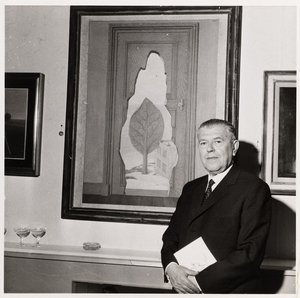
1898 - 1967 , Бельгія
Відкрийте 25 найвідоміших шедеврів Рене Магрітта! Зануртесь у світ сюрреалізму, дізнайтесь історії створення культових картин та знайдіть ідеї для декору з Most-Famous-Paintings.com. Репродукції високої якості – натхнення для вашого інтер'єру.

Відкрийте для себе 10 легендарних картин, де білий колір стає головним героєм! Історія Моне, Ван Гога та інших майстрів. Купіть репродукції шедеврів імпресіонізму на Most-Famous-Paintings.com – мистецтво для вашого дому.
Відкрийте 25 найвідоміших картин Поля Сезанна! Дослідіть імпресіонізм, натюрморти та пейзажі художника. Купіть високоякісні репродукції та знайдіть ідеальний декор для вашого дому на Most-Famous-Paintings.com.

Explore the rich history of trees in painting! Discover symbolism, Romantic masterpieces by Caspar David Friedrich & beyond. A curated journey for art enthusiasts.

Explore the rich history of trees in painting! Discover symbolism, Romantic masterpieces by Caspar David Friedrich & beyond. A curated journey for art enthusiasts.


Будьте в курсі останніх новин зі світу мистецтва, ексклюзивних пропозицій та ідей для декорування.
Розкажіть нам про свій проєкт, і наші експерти з мистецтва підготують для вас 3 персоналізовані пропозиції щодо творів мистецтва.
Дозвольте нам підібрати 3 варіанти спеціально для вас — безкоштовно!


 Preview
 Надіслати
 Поділитися
 Деталі витвору

 Завантажити
 Схожі вироби
 Рентгенівське дослідження
 Слайд-шоу

 Розгорнути текст







 Скляний варіант доступний лише для розмірів до 110 см