


x
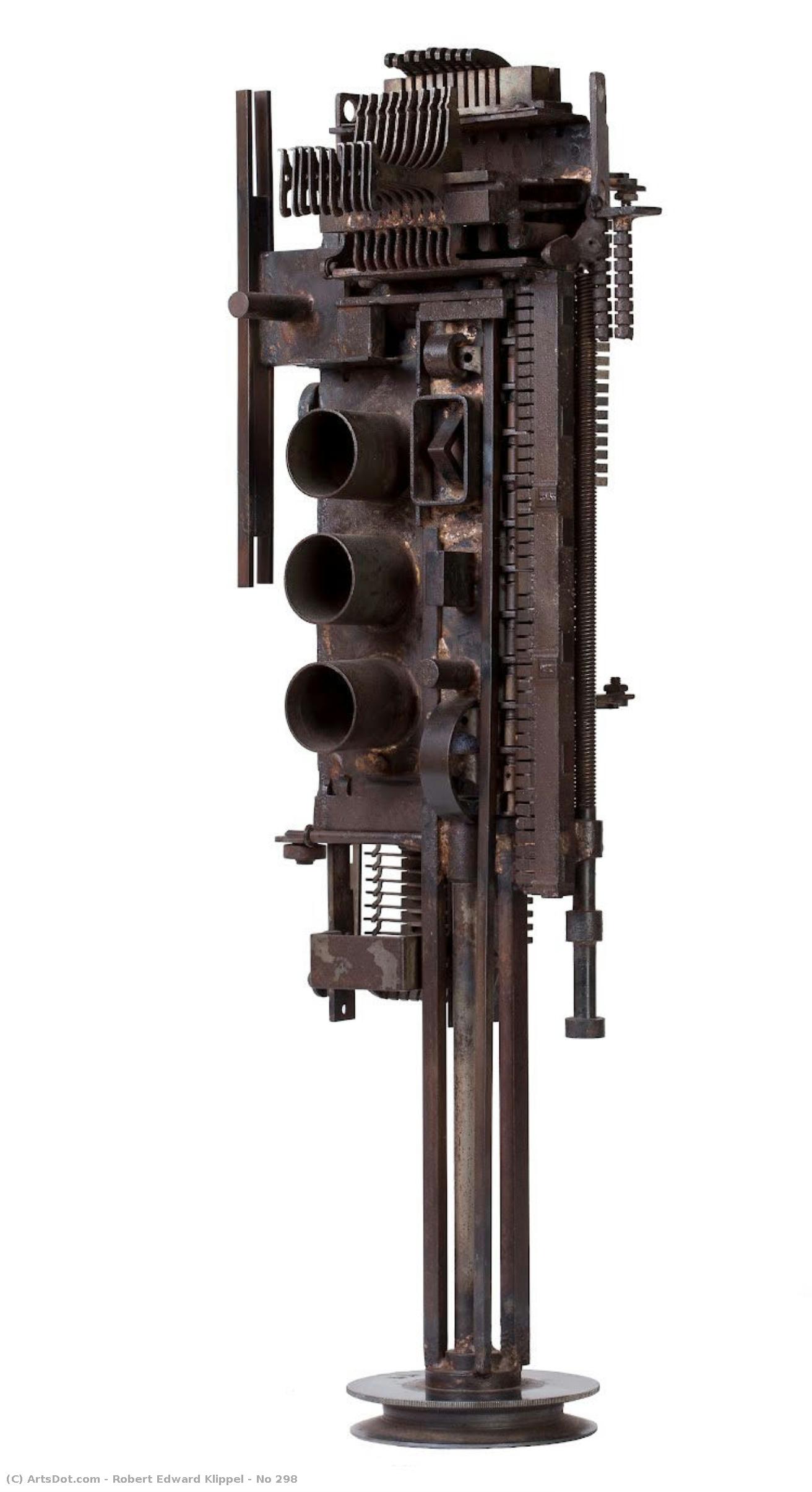
 1974
1974 48.0 x 17.0 cm
 Penrith Regional Gallery - Home of the Lewers Bequest
Придбайте цифрову копію високої роздільної здатності з покращеною якістю, що значно перевершує онлайн-перегляд.
Кожен файл ретельно підготовлений нашими фахівцями за допомогою сучасних інструментів та професійної ручної ретуші. Ми гарантуємо виняткову чіткість, точну передачу кольору та високу деталізацію кожного зображення.
Фінальний файл надсилається електронною поштою протягом 72 годин і оптимізований для негайного використання у професійних виданнях та друкованих матеріалах. Таку якість обирають провідні дизайнерські студії, видавництва та галереї.
Завантажте файл високої роздільної здатності для особистого використання, друку та творчих проєктів. ( Замовити принт Замовити репродукцію ручної роботи)
Обираючи Most-Famous-Paintings.com, ви отримуєте не просто зображення — ви отримуєте професійно вдосконалений цифровий витвір мистецтва, створений з надзвичайною точністю та підкріплений гарантією задоволення. Ось усе, що автоматично додається до вашого замовлення:

Ваш цифровий файл із зображенням високої роздільної здатності буде надісланий вам електронною поштою протягом 72 годин після оформлення замовлення — він буде готовий до негайного використання.

Ваш витвір мистецтва професійно оптимізовано за допомогою передових інструментів штучного інтелекту та ручної корекції, що забезпечує максимальну деталізацію, чіткість і точність передачі кольорів.

Випадково видалили або втратили файл? Не хвилюйтеся — ми надішлемо його вам повторно в будь-який час безкоштовно.

Насолоджуйтесь вашим витвором мистецтва миттєво без жодних мит, зборів або плати за доставку — цифрові завантаження завжди не оподатковуються.

Ми гарантуємо максимально точне відтворення оригінальних кольорів на вашому цифровому зображенні завдяки використанню професійних інструментів та систем управління кольором.

Якщо ви не задоволені придбаним цифровим зображенням, ми відкоригуємо його або повернемо 100% вартості протягом 60 днів — без жодних запитань.

Не задоволені покупкою? Отримайте повне повернення коштів протягом 60 днів після отримання цифрового файлу — без жодних запитань.

Купуйте 3 зображення — заощаджуйте 10% — Купуйте 5 — заощаджуйте 15% — Купуйте 10+ — заощаджуйте 20%. Чудово підходить для творчих проєктів, галерей та агентств.

Robert Klippel, born in Potts Point, Sydney, on June 19, 1920, possessed an innate inclination towards construction from a young age. This early fascination wasn’t rooted in formal artistic training but rather in the practical joy of making—specifically, building model ships. These weren't mere toys; they were meticulously crafted representations born from a childhood ferry ride on Sydney Harbour that sparked a lifelong passion for form and structure. This initial impulse would unexpectedly intertwine with his wartime experiences. Enlisting in the Royal Australian Navy in 1939, Klippel found himself employed not as a combatant but as a model-maker at the Naval Gunnery, tasked with creating miniature aircraft and ships for training purposes. This period honed his technical skills and instilled a deep understanding of spatial relationships—a foundation that would prove crucial to his later artistic endeavors.
Though he briefly enrolled in sculpture studies at East Sydney Technical College after the war, Klippel quickly found the constraints of traditional education stifling. He yearned for exploration beyond established norms, leading him to London in 1947 and then Paris, seeking immersion in the burgeoning modernist art scene. It was during these formative years that he encountered James Gleeson, a pivotal figure in Australian Surrealism, with whom he embarked on a significant collaborative carving—a work titled “Madame Sophie Sesostoris” (1947-48). This piece, brimming with pre-Raphaelite satire and surrealist undertones, marked an early foray into the complex interplay of organic and mechanical forms that would define his artistic trajectory.
Klippel’s time in Europe was transformative. He absorbed the ideas of Picasso and other modernist masters, engaging with the principles of constructionism while simultaneously delving into the subconscious realms explored by André Breton and the French Surrealists. Upon returning to Australia in 1950, he further refined his technical abilities through night courses in welding, silver soldering, and panel beating—skills that unlocked new possibilities for sculptural expression. He wasn’t simply adopting techniques; he was forging a unique visual language. His sculptures began to move away from figurative representation towards abstraction, driven by an ambition to synthesize the seemingly opposing forces of organic life and mechanical precision.
A sojourn in New York during the late 1950s proved equally influential. It was here that Klippel discovered the potent potential of “junk” materials—discarded metal objects imbued with a history and character of their own. These found elements weren’t merely repurposed; they were integrated into rigorously abstract assemblages, pulsating with an almost biological energy. He saw beauty in the discarded, finding within them the raw components for his vision of a dynamic interplay between nature and technology.
From 1963 until his death in 2001, Klippel resided permanently in Sydney, establishing a home and studio in Birchgrove where he worked with unwavering dedication. He maintained a remarkably prolific output, producing approximately 1,300 sculptures and an astonishing 5,000 drawings throughout his career. His association with the Watters Gallery—and its directors Frank Watters and Geoffrey Legge—was instrumental in showcasing his work to a wider audience.
Alongside his artistic practice, Klippel was a dedicated teacher, holding positions at various institutions including the National Art School. He didn’t seek to impose a specific style on his students but rather encouraged them to explore their own creative impulses and develop a personal visual vocabulary. His teaching philosophy mirrored his approach to art—a commitment to experimentation, innovation, and the pursuit of individual expression.
Robert Klippel is widely regarded as Australia’s greatest sculptor, a title earned through decades of consistent artistic exploration and an unwavering dedication to his unique vision. His sculptures are not merely objects; they are complex metaphors for the tensions and harmonies inherent in modern life—a synthesis of organic growth and mechanical structure. He was awarded an Order of Australia medal in 1988, recognizing his significant contribution to the nation’s cultural landscape.
His work transcends national boundaries, resonating with international audiences through its universal themes and innovative use of materials. Critics have drawn parallels between Klippel's sculptures and those of David Smith, acknowledging his place among the most important sculptors of the 20th century. Klippel’s legacy lies not only in the sheer volume and quality of his work but also in his ability to transform discarded objects into compelling statements about the human condition—a testament to the power of imagination and the enduring beauty found within the unexpected.

1920 - 2001 , Australia


Будьте в курсі останніх новин зі світу мистецтва, ексклюзивних пропозицій та ідей для декорування.
Розкажіть нам про свій проєкт, і наші експерти з мистецтва підготують для вас 3 персоналізовані пропозиції щодо творів мистецтва.
Дозвольте нам підібрати 3 варіанти спеціально для вас — безкоштовно!


 Переглянути в інтер'єрі
 Надіслати як листівку
 Поділитися
 Детальніше

 Завантажити
 Схожі експонати
 Рентгенівське дослідження
 Слайд-шоу
 Читати далі


