


x
Придбайте цифрову копію високої роздільної здатності з покращеною якістю, що значно перевершує онлайн-перегляд.
Кожен файл ретельно підготовлений нашими фахівцями за допомогою сучасних інструментів та професійної ручної ретуші. Ми гарантуємо виняткову чіткість, точну передачу кольору та високу деталізацію кожного зображення.
Фінальний файл надсилається електронною поштою протягом 72 годин і оптимізований для негайного використання у професійних виданнях та друкованих матеріалах. Таку якість обирають провідні дизайнерські студії, видавництва та галереї.
Завантажте файл високої роздільної здатності для особистого використання, друку та творчих проєктів. ( Замовити принт Замовити репродукцію ручної роботи)
Обираючи Most-Famous-Paintings.com, ви отримуєте не просто зображення — ви отримуєте професійно вдосконалений цифровий витвір мистецтва, створений з надзвичайною точністю та підкріплений гарантією задоволення. Ось усе, що автоматично додається до вашого замовлення:

Ваш цифровий файл із зображенням високої роздільної здатності буде надісланий вам електронною поштою протягом 72 годин після оформлення замовлення — він буде готовий до негайного використання.

Ваш витвір мистецтва професійно оптимізовано за допомогою передових інструментів штучного інтелекту та ручної корекції, що забезпечує максимальну деталізацію, чіткість і точність передачі кольорів.

Випадково видалили або втратили файл? Не хвилюйтеся — ми надішлемо його вам повторно в будь-який час безкоштовно.

Насолоджуйтесь вашим витвором мистецтва миттєво без жодних мит, зборів або плати за доставку — цифрові завантаження завжди не оподатковуються.

Ми гарантуємо максимально точне відтворення оригінальних кольорів на вашому цифровому зображенні завдяки використанню професійних інструментів та систем управління кольором.

Якщо ви не задоволені придбаним цифровим зображенням, ми відкоригуємо його або повернемо 100% вартості протягом 60 днів — без жодних запитань.

Не задоволені покупкою? Отримайте повне повернення коштів протягом 60 днів після отримання цифрового файлу — без жодних запитань.

Купуйте 3 зображення — заощаджуйте 10% — Купуйте 5 — заощаджуйте 15% — Купуйте 10+ — заощаджуйте 20%. Чудово підходить для творчих проєктів, галерей та агентств.
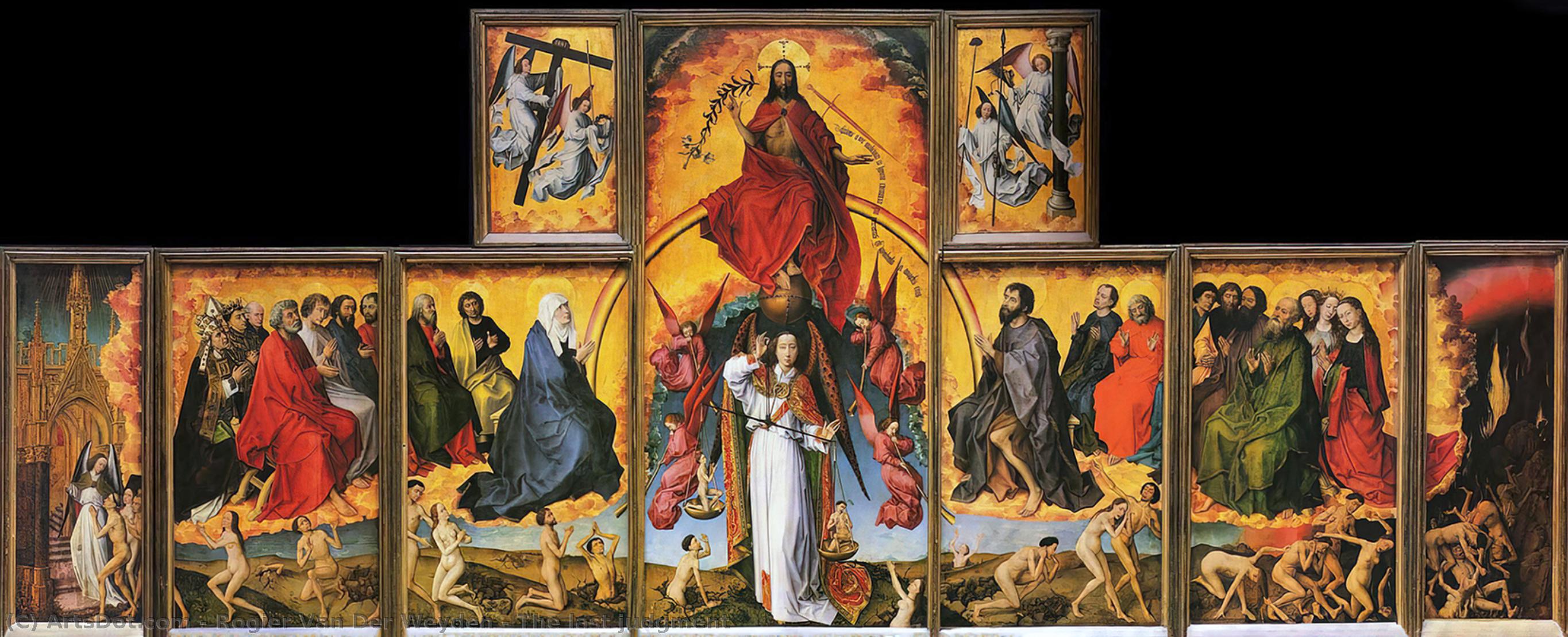
Rogier van der Weyden's "The Last Judgment," painted around 1430-1435, isn’t merely a depiction of biblical narrative; it’s a visceral exploration of human mortality and the agonizing weight of divine judgment. This monumental work, likely intended for a private chapel or a significant civic commission, transcends simple religious illustration to become a profoundly moving meditation on sin, redemption, and the inescapable consequences of earthly actions. Van der Weyden, already recognized as a master of psychological realism in his portraits, here unleashes an intensity rarely seen in Northern European painting of the period, employing techniques that anticipate the dramatic fervor of the Renaissance.
The scene unfolds within a richly detailed architectural setting – a vast, echoing space dominated by a towering crucifix. Figures are arranged in layers, creating a powerful sense of depth and drawing the viewer’s eye into the heart of the drama. Van der Weyden's meticulous attention to detail is immediately apparent: the textures of clothing, the folds of drapery, the subtle variations in skin tone – all rendered with an almost obsessive precision that lends each figure a startlingly lifelike quality. He doesn’t shy away from depicting the grotesque and uncomfortable; the faces of the damned are contorted in agony, their bodies twisted in despair, while those ascending to heaven exhibit expressions ranging from serene acceptance to ecstatic joy. The inclusion of a small dog on the left side adds an unexpected element of pathos – perhaps symbolizing loyalty or even judgment itself.
What distinguishes “The Last Judgment” is not simply its dramatic subject matter, but Van der Weyden's masterful manipulation of color and light. He employs a sophisticated palette – deep reds, blues, and golds contrasted with stark whites – to heighten the emotional impact of the scene. The use of *chiaroscuro*—the dramatic interplay of light and shadow—is particularly effective in sculpting the figures and emphasizing their expressions of torment or hope. Van der Weyden was a pioneer in using oil paints, allowing him to achieve subtle gradations of color and create a luminous quality that was previously unattainable with tempera. This technique allowed for a level of detail and realism that set him apart from his contemporaries.
Furthermore, Van der Weyden’s approach to depicting human emotion is revolutionary. He moves beyond the stylized gestures and idealized expressions common in earlier religious art, capturing moments of raw, unfiltered anguish and profound spiritual yearning. The faces of the damned are not simply frightening; they are heartbreakingly vulnerable, conveying a sense of utter despair. The figures ascending to heaven, while radiating joy, also exhibit a quiet dignity and acceptance that speaks volumes about their faith.
“The Last Judgment” is rich in symbolic meaning. The central crucifix represents Christ’s sacrifice and the gateway to salvation. The arrangement of figures – the damned descending into darkness, the saved ascending towards light – reflects traditional theological interpretations of the afterlife. Van der Weyden's work was created during a period of intense religious fervor and political upheaval in Burgundy, where the powerful Dukes were actively promoting piety and artistic patronage. This commission likely served as a potent reminder of moral responsibility and the consequences of sin within the ruling elite.
Interestingly, this painting is part of a larger polyptych, suggesting it was intended for a private chapel setting. The reverse side of the panel offers further insight into Van der Weyden’s artistic process and his engagement with contemporary trends. The influence of Italian Renaissance art, particularly in its use of perspective and dramatic composition, can be detected in “The Last Judgment,” signaling a shift towards greater realism and emotional intensity within Northern European painting.
“The Last Judgment” remains a profoundly moving work of art. It’s not just a depiction of biblical events; it's an exploration of the human condition—our capacity for both great good and terrible evil, our struggle with mortality, and our yearning for redemption. Van der Weyden’s masterful technique, combined with his profound understanding of human psychology, creates a work that continues to resonate with viewers centuries after its creation. A high-quality reproduction allows us to experience the painting's emotional power and artistic brilliance in our own homes, serving as a constant reminder of the choices we make and their ultimate consequences.

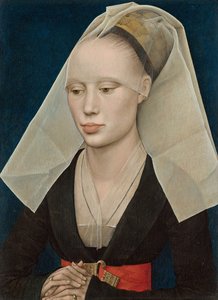
1400 - 1464 , Бельгія


Будьте в курсі останніх новин зі світу мистецтва, ексклюзивних пропозицій та ідей для декорування.
Розкажіть нам про свій проєкт, і наші експерти з мистецтва підготують для вас 3 персоналізовані пропозиції щодо творів мистецтва.
Дозвольте нам підібрати 3 варіанти спеціально для вас — безкоштовно!


 Переглянути в інтер'єрі
 Надіслати як листівку
 Поділитися
 Детальніше

 Завантажити
 Схожі експонати
 Рентгенівське дослідження
 Слайд-шоу
 Читати далі


