x

 Замовити друк Купити цифрове зображення
 Надіслати
 Деталі витвору
 Додати до улюблених
 Завантажити
 Схожі вироби
 Рентгенівське дослідження
 Слайд-шоу
Написана вручну олією на полотні у вашому розмірі та рамі, виготовлена на замовлення нашими художниками.





























Обирайте з наших стандартних розмірів, що відповідають оригінальним пропорціям твору мистецтва.

Ви можете вказати власні розміри, щоб репродукція підійшла до конкретної рами або інтер'єру. Якщо вибраний вами розмір не відповідає пропорціям оригіналу, ми або обріжемо полотно, або доповнимо картину додатковими елементами, промальованими вручну. Цифровий макет буде надіслано вам на затвердження перед початком виробництва.
Зверніть увагу, що попередній перегляд на екрані не відображає фактичне обрізання або розширення зображення. Тільки макет точно покаже остаточну композицію.
Хоча ми можемо виготовити виріб у нестандартному розмірі, для збереження оригінальних пропорцій рекомендуємо обирати варіанти зі встановленого списку.
Доставка по всьому світу () за 3–4 тижні замість стандартних 5 тижнів. (23 Липень). Без жодних компромісів у якості.


rising
Розмір репродукції
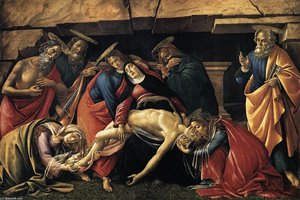
Sandro Botticelli's "Rising," a painting shrouded in the mystery of its original commission and subject, stands as a poignant testament to the complexities of faith, hope, and the human condition during the Florentine Renaissance. While details regarding the precise narrative remain debated – though often linked to the story of the Annunciation or even a symbolic representation of Christ’s resurrection – what is undeniable is the painting's profound emotional resonance and Botticelli’s masterful command of line, color, and classical form. The work, likely created around 1480-1482, exemplifies the artist’s signature style: an elegant blend of Byzantine influence, Neoplatonic philosophy, and a deep appreciation for the beauty of the human figure.
Botticelli's technique is immediately striking. He employs a delicate, almost ethereal quality, achieved through meticulous layering of thin glazes—a hallmark of his approach. The figures are rendered with an exquisite grace, their bodies elongated and flowing, reminiscent of Byzantine icons but imbued with a distinctly Renaissance sensibility. Note the subtle modeling of flesh, the careful attention to drapery, and the way light seems to caress the forms. The background is deliberately hazy, drawing focus entirely onto the central scene and contributing to the overall sense of otherworldly serenity. The use of tempera on panel—a traditional medium for Florentine artists at the time—allowed Botticelli to achieve a luminous quality rarely seen in other media.
The composition itself is rich with symbolic meaning. At the heart of the scene are angels, depicted not as imposing figures of power but rather as gentle guides, carefully lifting Christ from the tomb. Their wings, rendered in delicate brushstrokes, suggest a sense of lightness and ascension. Surrounding the tomb are individuals – some weeping, others gazing upwards in awe or celebration—representing the diverse human responses to this momentous event. The presence of a figure holding a book is particularly intriguing; it’s often interpreted as referencing scripture, emphasizing the theological significance of Christ's resurrection. The arrangement of these figures creates a dynamic interplay between grief and joy, despair and hope, reflecting the multifaceted nature of faith.
Botticelli’s artistic choices also resonate with Neoplatonic philosophy, prevalent during the Renaissance. The painting can be viewed as an allegory for the soul's journey towards enlightenment—the descent into darkness (represented by death) followed by a triumphant ascent to divine light (symbolized by Christ’s resurrection). The figures themselves are not merely representations of biblical characters but embodiments of universal human experiences and aspirations.
“Rising” is inextricably linked to the broader artistic and intellectual landscape of Florence during the High Renaissance. Botticelli’s work, alongside that of Leonardo da Vinci and Michelangelo, helped define the era's aesthetic ideals—a focus on humanism, classical inspiration, and a celebration of beauty. His paintings were commissioned by powerful families like the Medici, who recognized his talent and sought to adorn their palaces with works that reflected their wealth and status. “Rising” itself likely served as a devotional image for a private chapel or a grand hall, intended to inspire contemplation and reinforce religious beliefs.
Botticelli’s legacy endures through the profound impact of his art on subsequent generations of artists. His graceful figures, lyrical compositions, and masterful use of color continue to captivate viewers centuries later. Most-Famous-Paintings's hand-painted reproductions offer a unique opportunity to experience the beauty and emotional depth of “Rising” in stunning detail, preserving Botticelli’s artistic vision for future appreciation.

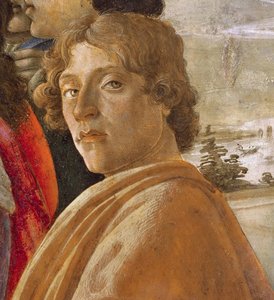
1445 - 1510 , Італія
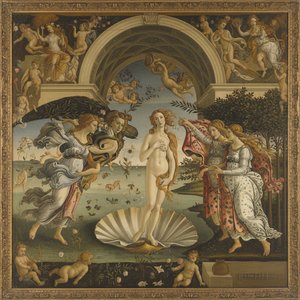
Відкрийте для себе 25 шедеврів Сандро Боттічеллі! Дослідіть історії створення "Народження Венери", "Весни" та інших культових картин Відродження. Репродукції високої якості для вашого дому – Most-Famous-Paintings.
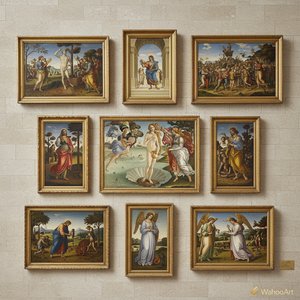
Відкрийте для себе 10 шедеврів Ренесансу від Леонардо да Вінчі, Рафаеля та Мікеланджело! Історія мистецтва, техніки живопису та натхнення для вашого дому. Репродукції картин високої якості – Most-Famous-Paintings.com
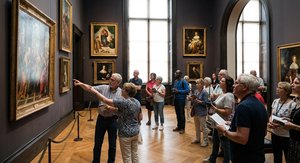
Відкрийте для себе 25 шедеврів Alte Pinakothek у Мюнхені! Історія Рафаеля, Дюрера та інших геніїв Ренесансу й Бароко. Купіть репродукції картин онлайн на Most-Famous-Paintings.com – мистецтво для вашого дому.

Explore the captivating history of angels in painting! Discover symbolism, iconic Renaissance & Byzantine masterpieces, and renowned artists. Expert insights for art lovers & collectors at Most-Famous-Paintings.

Explore the captivating history of angels in art! Discover symbolism, iconic Renaissance masterpieces & renowned artists. Expert insights for art lovers & collectors at Most-Famous-Paintings.


Будьте в курсі останніх новин зі світу мистецтва, ексклюзивних пропозицій та ідей для декорування.
Розкажіть нам про свій проєкт, і наші експерти з мистецтва підготують для вас 3 персоналізовані пропозиції щодо творів мистецтва.
Дозвольте нам підібрати 3 варіанти спеціально для вас — безкоштовно!


 Поділитися


 Розгорнути текст







 Скляний варіант доступний лише для розмірів до 110 см