


x
Придбайте цифрову копію високої роздільної здатності з покращеною якістю, що значно перевершує онлайн-перегляд.
Кожен файл ретельно підготовлений нашими фахівцями за допомогою сучасних інструментів та професійної ручної ретуші. Ми гарантуємо виняткову чіткість, точну передачу кольору та високу деталізацію кожного зображення.
Фінальний файл надсилається електронною поштою протягом 72 годин і оптимізований для негайного використання у професійних виданнях та друкованих матеріалах. Таку якість обирають провідні дизайнерські студії, видавництва та галереї.
Завантажте файл високої роздільної здатності для особистого використання, друку та творчих проєктів. ( Замовити принт Замовити репродукцію ручної роботи)
Обираючи Most-Famous-Paintings.com, ви отримуєте не просто зображення — ви отримуєте професійно вдосконалений цифровий витвір мистецтва, створений з надзвичайною точністю та підкріплений гарантією задоволення. Ось усе, що автоматично додається до вашого замовлення:

Ваш цифровий файл із зображенням високої роздільної здатності буде надісланий вам електронною поштою протягом 72 годин після оформлення замовлення — він буде готовий до негайного використання.

Ваш витвір мистецтва професійно оптимізовано за допомогою передових інструментів штучного інтелекту та ручної корекції, що забезпечує максимальну деталізацію, чіткість і точність передачі кольорів.

Випадково видалили або втратили файл? Не хвилюйтеся — ми надішлемо його вам повторно в будь-який час безкоштовно.

Насолоджуйтесь вашим витвором мистецтва миттєво без жодних мит, зборів або плати за доставку — цифрові завантаження завжди не оподатковуються.

Ми гарантуємо максимально точне відтворення оригінальних кольорів на вашому цифровому зображенні завдяки використанню професійних інструментів та систем управління кольором.

Якщо ви не задоволені придбаним цифровим зображенням, ми відкоригуємо його або повернемо 100% вартості протягом 60 днів — без жодних запитань.

Не задоволені покупкою? Отримайте повне повернення коштів протягом 60 днів після отримання цифрового файлу — без жодних запитань.

Купуйте 3 зображення — заощаджуйте 10% — Купуйте 5 — заощаджуйте 15% — Купуйте 10+ — заощаджуйте 20%. Чудово підходить для творчих проєктів, галерей та агентств.
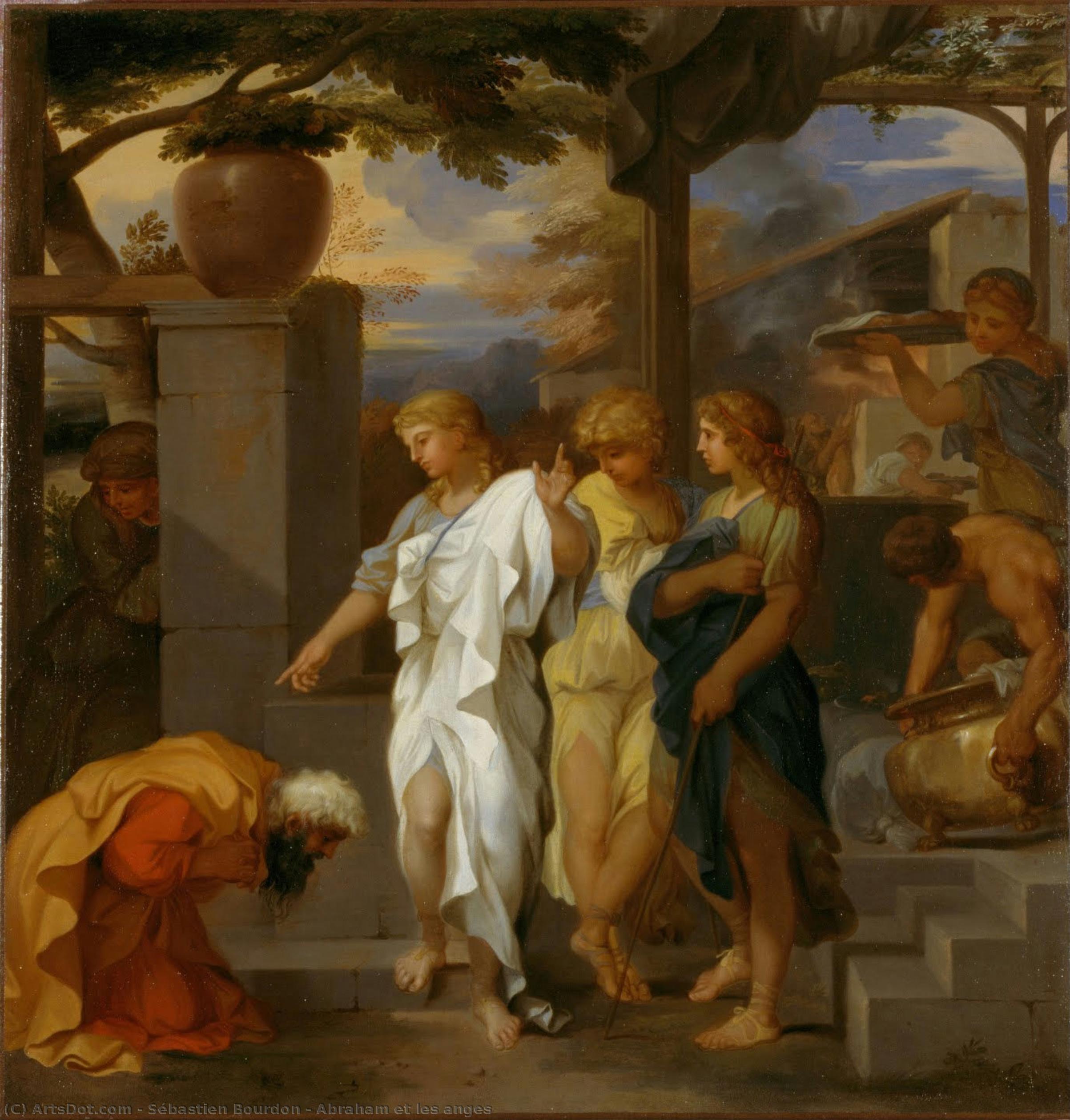
Sébastien Bourdon’s “Abraham et les anges” (Abraham and the Angels) is not merely a biblical depiction; it's a profound meditation on faith, generosity, and divine intervention rendered with the dramatic intensity characteristic of the late 17th-century Baroque. Painted between 1653 and 1657 during Bourdon’s Parisian period – a time when he was working for the influential Duke de Chevreuse – this small-scale oil painting offers a glimpse into a world where religious narrative intertwined seamlessly with aristocratic patronage. The scene, drawn from Genesis chapter 18, captures a pivotal moment: Abraham's extraordinary hospitality to three angelic visitors who announce the imminent birth of his son Isaac. It’s a tableau brimming with layered symbolism and executed with a masterful command of light, shadow, and human form.
Bourdon’s artistic lineage is immediately apparent. He was deeply influenced by the Roman Baroque masters – particularly Caravaggio – and this influence manifests in the painting's stark contrasts and dramatic use of chiaroscuro. The composition is carefully constructed to draw the viewer’s eye towards Abraham, a figure kneeling in humble deference before the radiant angels. Their forms are sculpted with meticulous detail, each fold of drapery rendered with an almost sculptural quality. Notice how Bourdon uses light not just to illuminate figures but also to create a sense of depth and atmosphere – the warm glow emanating from the angels contrasts sharply with the darker recesses of the courtyard setting, emphasizing the sacredness of the encounter.
The painting’s setting—a courtyard or porch, likely inspired by classical Roman architecture—is crucial to its meaning. The reference to “Mambré” (a biblical figure associated with a sacred oak) immediately anchors the scene in the Old Testament narrative. This architectural detail subtly elevates the earthly realm of Abraham's home into something imbued with divine significance. The arrangement of figures within this space is deliberate; Abraham, at the center, represents humanity’s capacity for faith and obedience. The angels, messengers of God, embody divine grace and intervention. And Sarah, though unseen, is the silent recipient of this miraculous promise – a symbol of hope and future fertility.
Beyond the immediate narrative, the scene resonates with broader themes of hospitality and welcoming the stranger. Abraham’s willingness to offer food and shelter to uninvited guests reflects a core tenet of Jewish faith: treating all people with kindness and compassion, regardless of their background or status. This act of generosity is not simply an earthly gesture; it's presented as a demonstration of Abraham’s unwavering loyalty to God.
Bourdon’s skill lies in his ability to synthesize diverse influences into a distinctly personal style. While he clearly admired Caravaggio’s dramatic lighting, he also incorporated elements of the French courtly tradition – evident in the refined drapery and the elegant poses of the figures. His brushwork is remarkably controlled, creating a surface that is both luminous and textured. The use of rich pigments—particularly golds and reds—contributes to the painting's overall sense of opulence and grandeur.
Furthermore, “Abraham et les anges” provides valuable insight into the artistic climate of Paris during Bourdon’s time. It exemplifies the flourishing Baroque movement that was transforming the city’s art scene. Bourdon’s work reflects a shift away from the more restrained Mannerism of earlier periods and towards a greater emphasis on emotional expression, dramatic composition, and dynamic movement – characteristics that would define the French Baroque for decades to come.
Despite its historical context, “Abraham et les anges” continues to resonate with viewers today. The painting’s depiction of faith, generosity, and divine grace transcends time and culture. It invites us to contemplate the meaning of hospitality, the importance of compassion, and the enduring power of belief. The subtle expressions on Abraham's face—a mixture of humility, wonder, and anticipation—capture a profound human experience: the recognition of something greater than oneself. It’s a work that speaks not only to the eye but also to the heart, offering a timeless meditation on the mysteries of faith and the enduring values of humanity.


1616 - 1671 , Франція


Будьте в курсі останніх новин зі світу мистецтва, ексклюзивних пропозицій та ідей для декорування.
Розкажіть нам про свій проєкт, і наші експерти з мистецтва підготують для вас 3 персоналізовані пропозиції щодо творів мистецтва.
Дозвольте нам підібрати 3 варіанти спеціально для вас — безкоштовно!


 Переглянути в інтер'єрі
 Надіслати як листівку
 Поділитися
 Детальніше

 Завантажити
 Схожі експонати
 Рентгенівське дослідження
 Слайд-шоу


 Читати далі


