x

 Акрил на полотніНастінне мистецтвоNorthern Renaissance
 1535
1535 9.0 x 7.0 cm
 Лувр
ЛуврПридбайте цифрову копію високої роздільної здатності з покращеною якістю, що значно перевершує онлайн-перегляд.
Кожен файл ретельно підготовлений нашими фахівцями за допомогою сучасних інструментів та професійної ручної ретуші. Ми гарантуємо виняткову чіткість, точну передачу кольору та високу деталізацію кожного зображення.
Фінальний файл надсилається електронною поштою протягом 72 годин і оптимізований для негайного використання у професійних виданнях та друкованих матеріалах. Таку якість обирають провідні дизайнерські студії, видавництва та галереї.
Завантажте файл високої роздільної здатності для особистого використання, друку та творчих проєктів. ( Замовити принт Замовити репродукцію ручної роботи)
Обираючи Most-Famous-Paintings.com, ви отримуєте не просто зображення — ви отримуєте професійно вдосконалений цифровий витвір мистецтва, створений з надзвичайною точністю та підкріплений гарантією задоволення. Ось усе, що автоматично додається до вашого замовлення:

Ваш цифровий файл із зображенням високої роздільної здатності буде надісланий вам електронною поштою протягом 72 годин після оформлення замовлення — він буде готовий до негайного використання.

Ваш витвір мистецтва професійно оптимізовано за допомогою передових інструментів штучного інтелекту та ручної корекції, що забезпечує максимальну деталізацію, чіткість і точність передачі кольорів.

Випадково видалили або втратили файл? Не хвилюйтеся — ми надішлемо його вам повторно в будь-який час безкоштовно.

Насолоджуйтесь вашим витвором мистецтва миттєво без жодних мит, зборів або плати за доставку — цифрові завантаження завжди не оподатковуються.

Ми гарантуємо максимально точне відтворення оригінальних кольорів на вашому цифровому зображенні завдяки використанню професійних інструментів та систем управління кольором.

Якщо ви не задоволені придбаним цифровим зображенням, ми відкоригуємо його або повернемо 100% вартості протягом 60 днів — без жодних запитань.

Не задоволені покупкою? Отримайте повне повернення коштів протягом 60 днів після отримання цифрового файлу — без жодних запитань.

Купуйте 3 зображення — заощаджуйте 10% — Купуйте 5 — заощаджуйте 15% — Купуйте 10+ — заощаджуйте 20%. Чудово підходить для творчих проєктів, галерей та агентств.
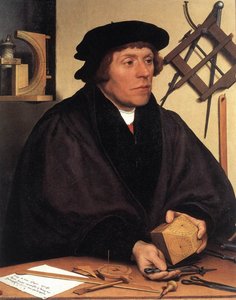
Within the hushed reverence of the Musée du Louvre in Paris resides a miniature painting that transcends its diminutive size, offering an intimate glimpse into the life and artistic vision of Simon Bening. His “Self-Portrait,” created in 1535, is not merely a likeness; it’s a carefully constructed statement about identity, skill, and the burgeoning humanist ideals of the Renaissance. Measuring just 9 x 7 centimeters on vellum, this work embodies the meticulous detail characteristic of Bening's illuminatory practice – a testament to his mastery of color, light, and texture. The painting immediately draws the eye with its stark contrast: the deep, somber tones of the artist’s clothing against the luminous white collar, a deliberate choice that elevates him as both subject and focal point.
Bening, born in Ghent around 1483, was deeply rooted in the artistic traditions of Flanders. His father, Alexander Bening, was himself an illuminator, and Simon inherited not only his technical skills but also a profound appreciation for the intricate beauty of manuscript decoration. This background profoundly shaped his style – a harmonious blend of Northern European realism with a subtle, almost ethereal quality. The painting’s composition is deceptively simple: Bening presents himself in profile, clad in a dark robe that suggests both status and introspection. The careful rendering of fabric folds, the delicate texture of his hair, and the precise detail of his hands all speak to Bening's dedication to capturing the essence of his subject with unparalleled accuracy.
To fully appreciate “Self-Portrait,” one must consider the materials and techniques employed by Bening. Vellum, a type of animal skin parchment, was prized for its smoothness and durability – ideal for the delicate work of miniature painting. The use of oil paints allowed Bening to achieve subtle gradations of color and create a remarkable sense of depth and volume within such a small space. Notably, he masterfully employed illumination techniques, evident in the careful blending of light and shadow that gives the portrait a three-dimensional quality. This wasn’t simply about replicating appearance; it was about capturing the *feeling* of presence – an achievement rarely seen in portraits of this period.
Furthermore, Bening's background as an illuminator profoundly influenced his approach to detail. He meticulously rendered every element, from the folds of his robe to the glint of light on his collar. This attention to detail wasn’t merely decorative; it reflected a deep understanding of perspective and spatial relationships – skills honed through years of working with complex illuminated manuscripts. The painting is a miniature masterpiece, showcasing not just artistic talent but also a profound technical mastery.
“Self-Portrait” offers a valuable window into the cultural and intellectual landscape of 16th-century Europe. The Renaissance witnessed a renewed interest in classical art, humanism, and individual achievement – themes that are subtly reflected in Bening’s work. The act of self-portraiture itself was becoming increasingly common during this period, as artists sought to assert their own identity and celebrate their creative abilities. This wasn't simply vanity; it was a deliberate assertion of artistic agency.
The painting’s provenance – its presence in the Louvre – further underscores its historical significance. The Musée du Louvre, one of the world’s largest and most prestigious art museums, has amassed an unparalleled collection of European masterpieces spanning centuries. “Self-Portrait” stands as a testament to Bening's enduring legacy and his place within this remarkable artistic canon. It is a tangible link to a pivotal moment in Western art history – a time of profound change, innovation, and the celebration of human potential.
While experiencing “Self-Portrait” firsthand at the Louvre remains the ideal, high-quality reproductions offer an accessible way to appreciate Bening’s artistry. Most-Famous-Paintings.com offers stunning prints that faithfully capture the painting's intricate details and luminous quality. Consider a custom reproduction in a size that complements your space – perhaps on canvas for a dramatic statement or on fine art paper for a more subtle elegance.
Beyond its aesthetic appeal, “Self-Portrait” is a powerful reminder of the enduring human desire to understand ourselves and our place in the world. It’s an invitation to contemplate the complexities of identity, the pursuit of artistic excellence, and the timeless beauty of a Renaissance masterpiece.


1483 - 1561 , Бельгія


Будьте в курсі останніх новин зі світу мистецтва, ексклюзивних пропозицій та ідей для декорування.
Розкажіть нам про свій проєкт, і наші експерти з мистецтва підготують для вас 3 персоналізовані пропозиції щодо творів мистецтва.
Дозвольте нам підібрати 3 варіанти спеціально для вас — безкоштовно!


 Переглянути в інтер'єрі
 Надіслати як листівку
 Поділитися
 Детальніше

 Завантажити
 Схожі експонати
 Рентгенівське дослідження
 Слайд-шоу
 Читати далі