


x


 Oil On CanvasWallArtPre-Raphaelite Revival
 1851
1851 76.0 x 112.0 cm
 Тейт Галерея
Музейна якість друку جيкле або на полотні з оперативним виготовленням та різноманітними варіантами фінішної обробки. ( Перейти до замовлення ручного розпису Перейти до зображення)





























Обирайте з наших стандартних розмірів, що відповідають оригінальним пропорціям твору мистецтва.

Ви можете вказати власні розміри, щоб репродукція ідеально підійшла до конкретної рами або інтер'єру. Якщо обраний вами розмір не відповідає пропорціям оригіналу, ми або обріжемо полотно, або розширимо зображення за допомогою дзеркального відображення чи суцільної заливки країв. Перед початком виробництва вам буде надіслано цифровий макет для затвердження.
Будь ласка, зверніть увагу, що попередній перегляд на екрані не відображає фактичне обрізання або розширення. Тільки макет точно покаже фінальну композицію.
Хоча можливість замовлення індивідуальних розмірів доступна, ми рекомендуємо обирати формат із попередньо визначеного списку, щоб зберегти оригінальні пропорції.
Доставка по всьому світу () за 2 тижні замість стандартних 4/5 тижнів. (31 Липень)


Ophelia
Розмір репродукції
Sir John Everett Millais' "Ophelia," completed between 1851 and 1852, is more than just a painting; it’s an immersive experience. This iconic Pre-Raphaelite masterpiece transports the viewer to the heart of Shakespeare’s tragedy, capturing a poignant and unforgettable scene from *Hamlet*. The image depicts Ophelia, adrift in a stream amidst a riot of wildflowers, her expression a mixture of sorrow, resignation, and ethereal beauty. Millais' meticulous attention to detail—from the delicate folds of her dress to the vibrant hues of the surrounding flora—creates an astonishingly realistic and emotionally resonant portrayal of a young woman on the brink of oblivion.
The painting’s genesis is deeply intertwined with the Pre-Raphaelite Brotherhood’s revolutionary approach to art. Rejecting the idealized, polished style of academic painting, the brotherhood championed truth to nature, detailed observation, and a return to the artistic principles of the Renaissance before Raphael. Millais, a founding member, embraced this ethos wholeheartedly, spending weeks meticulously sketching and studying the actual location – the Hogsmill River in Surrey—to ensure an unparalleled level of accuracy. He even employed a model, Elizabeth Siddal, who spent hours submerged in a bathtub to achieve the languid pose and realistic depiction of Ophelia’s drowned state, a practice considered radical for its time.
Beyond its stunning realism, “Ophelia” is rich with symbolic meaning. Each flower meticulously placed around her body carries a specific significance, woven into the fabric of Shakespeare's original text and offering layers of interpretation. Daisies represent innocence and purity—a poignant contrast to Ophelia’s tragic fate. Violets symbolize faithfulness and chastity, while poppies, scattered amongst the daisies, are associated with death and sleep. The willow tree weeping over her represents sorrow and mourning, mirroring Ophelia's own grief. Millais deliberately employed this floral lexicon to deepen the painting’s narrative and invite viewers to contemplate the complexities of love, loss, and madness.
The composition itself is carefully constructed to heighten the emotional impact. The stream flows diagonally across the canvas, drawing the eye towards Ophelia's face and creating a sense of movement and vulnerability. Her pale complexion, accentuated by the diffused light filtering through the foliage, evokes a feeling of otherworldly beauty and fragility. The overall effect is one of serene melancholy—a visual poem capturing the essence of Shakespeare’s tragic heroine.
Millais' mastery of technique is evident in every brushstroke. He employed a layering method, building up color gradually to achieve an astonishing level of detail and luminosity. His use of light—particularly the dappled sunlight filtering through the trees—creates a sense of atmosphere and depth, immersing the viewer within the scene. The painting’s surface is remarkably smooth, achieved through meticulous glazing techniques, further enhancing its realism.
Furthermore, Millais' innovative approach to depicting water was groundbreaking for his time. He meticulously studied reflections and ripples, capturing the shimmering quality of the stream with remarkable precision. This commitment to naturalism extended beyond mere representation; he sought to evoke the *feeling* of being immersed in that watery world—a testament to his artistic vision.
"Ophelia" remains one of the most beloved and recognizable paintings in the Pre-Raphaelite canon. Its enduring appeal lies not only in its technical brilliance but also in its profound emotional resonance. It continues to captivate audiences with its depiction of beauty, tragedy, and the delicate balance between life and death.
Today, high-quality reproductions of “Ophelia” are available through Most-Famous-Paintings.com, offering art enthusiasts a chance to bring this iconic masterpiece into their homes or offices. Whether you appreciate it as a work of historical significance, an exploration of symbolism, or simply a stunning example of artistic skill, "Ophelia" continues to hold a powerful and enduring place in the hearts of viewers worldwide.


1829 - 1896 , Великобританія

Відкрийте 25 захопливих шедеврів Данте Габріеля Россетті! Пориньте у світ прерафаелітів, символізму та неймовірної краси. Купуйте репродукції картин онлайн на Most-Famous-Paintings.com – декор для вашого дому з музейною якістю.

Відкрийте 25 шедеврів Джеймса Вістлера – імпресіонізм, портрети та нічні сцени. Історія мистецтва, техніки живопису та натхнення для декору вашого дому від Most-Famous-Paintings. Дослідіть колекцію онлайн!

Відкрийте для себе 25 найвідоміших шедеврів Метрополітен-музею! Історія мистецтва від Ван Гога до Моне. Репродукції картин онлайн – надихайтесь та створіть власний розкішний інтер'єр з Most-Famous-Paintings.com.
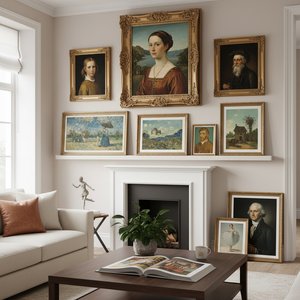
Відкрийте для себе 25 шедеврів Національної галереї мистецтв! Історія Сезанна, Матісса, Пікассо та інших геніїв. Репродукції картин онлайн – надихайтесь для декору вашого дому з Most-Famous-Paintings.com.
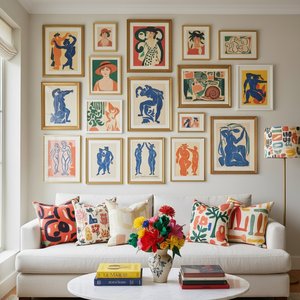
Відкрийте для себе 25 найвідоміших шедеврів Анрі Матісса! Дізнайтесь історію фавізму, колірних рішень та унікального стилю художника. Репродукції картин Матісса для вашого дому – на Most-Famous-Paintings.com. Дослідіть колекцію онлайн!


Будьте в курсі останніх новин зі світу мистецтва, ексклюзивних пропозицій та ідей для декорування.
Розкажіть нам про свій проєкт, і наші експерти з мистецтва підготують для вас 3 персоналізовані пропозиції щодо творів мистецтва.
Дозвольте нам підібрати 3 варіанти спеціально для вас — безкоштовно!


 Переглянути в інтер'єрі
 Надіслати
 Поділитися
 Деталі витвору

 Завантажити
 Схожі вироби
 Рентгенівське дослідження
 Слайд-шоу
 Розгорнути текст







 Скляний варіант доступний лише для розмірів до 110 см


