x

Музейна якість друку جيкле або на полотні з оперативним виготовленням та різноманітними варіантами фінішної обробки. ( Замовити репродукцію ручної роботи Купити цифрове зображення)





























Обирайте з наших стандартних розмірів, що відповідають оригінальним пропорціям твору мистецтва.

Ви можете вказати власні розміри, щоб репродукція ідеально підійшла до конкретної рами або інтер'єру. Якщо обраний вами розмір не відповідає пропорціям оригіналу, ми або обріжемо полотно, або розширимо зображення за допомогою дзеркального відображення чи суцільної заливки країв. Перед початком виробництва вам буде надіслано цифровий макет для затвердження.
Будь ласка, зверніть увагу, що попередній перегляд на екрані не відображає фактичне обрізання або розширення. Тільки макет точно покаже фінальну композицію.
Хоча можливість замовлення індивідуальних розмірів доступна, ми рекомендуємо обирати формат із попередньо визначеного списку, щоб зберегти оригінальні пропорції.
Доставка по всьому світу () за 2 тижні замість стандартних 4/5 тижнів. (15 Серпень)


Aeolus
Розмір репродукції
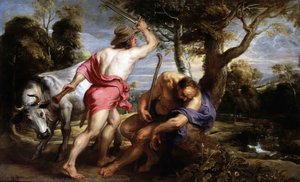
Peter Paul Rubens' "Aeolus" is not merely a depiction of birds; it’s an immersive experience, a Baroque explosion of movement and emotion that captures the very essence of untamed nature. Painted during the height of Rubens’ career – a period defined by his unparalleled mastery of color, composition, and dramatic storytelling – this work exemplifies the artist's signature style: opulent detail interwoven with dynamic energy. The scene unfolds as a theatrical tableau, dominated by a central figure, seemingly holding dominion over a swirling vortex of avian life. This isn't a simple study of ornithology; it’s a carefully constructed allegory, a visual meditation on control, chaos, and the sublime power of the natural world.
At the heart of “Aeolus” stands a man, his hand outstretched as if to guide or perhaps even command the flock. While his identity remains enigmatic – a deliberate choice by Rubens that invites interpretation – he embodies a potent symbol of human agency within a larger, uncontrollable system. The bird he holds is not explicitly identified, adding to the painting’s open-endedness and allowing viewers to project their own meanings onto the scene. Notice the meticulous detail with which Rubens renders the bird in his hand; it's a focal point, drawing our eye and emphasizing the man's role as both captor and custodian. The presence of the clock, perched atop one of the birds, introduces an element of temporal disruption, hinting at the fleeting nature of control and the relentless march of time – a recurring theme in Rubens’ work.
Rubens' technique is immediately recognizable. He employs a loose, painterly style characterized by broad brushstrokes and vibrant color palettes. The sheer abundance of birds—at least thirteen visible—is achieved through meticulous layering and glazing, creating an illusion of depth and volume that seems to lift them off the canvas. Observe how he uses light and shadow to sculpt the forms, emphasizing the textures of feathers and flesh. The rich reds, blues, and golds – hallmarks of Rubens’ palette – contribute significantly to the painting's dramatic impact. His use of *sfumato*, a subtle blurring technique, softens edges and creates an atmospheric haze, further enhancing the sense of movement and dynamism. This masterful manipulation of color and texture is what elevates “Aeolus” beyond a simple depiction of birds; it’s a testament to Rubens’ technical brilliance.
"Aeolus" was created during a period of immense artistic and cultural flourishing in Antwerp, the capital of the Habsburg Netherlands. The city served as a vibrant hub for trade, diplomacy, and artistic innovation, attracting artists from across Europe. Rubens himself played a pivotal role in shaping this artistic landscape, becoming court painter to both Philip II of Spain and later, James I of England. His work reflects the prevailing tastes of the Baroque era – characterized by grandeur, emotional intensity, and a fascination with classical mythology and biblical narratives. “Aeolus” stands as a prime example of Rubens’ ability to synthesize these influences into a uniquely personal and powerfully expressive style. Its creation coincided with a period of intense patronage, fueling the production of ambitious works like this one.


1577 - 1640 , Німеччина

Explore the profound elegance of Baroque Classicism. Discover how 17th-century masters synthesized dramatic emotion with classical order through the lens of the Counter-Reformation and the works of legends like Carlo Maratta and Andrea Sacchi.


Будьте в курсі останніх новин зі світу мистецтва, ексклюзивних пропозицій та ідей для декорування.
Розкажіть нам про свій проєкт, і наші експерти з мистецтва підготують для вас 3 персоналізовані пропозиції щодо творів мистецтва.
Дозвольте нам підібрати 3 варіанти спеціально для вас — безкоштовно!


 Переглянути в інтер'єрі
 Надіслати як листівку
 Поділитися
 Детальніше

 Завантажити
 Схожі експонати
 Рентгенівське дослідження
 Слайд-шоу
 Читати далі







 Скляний варіант доступний лише для розмірів до 110 см