x

Придбайте цифрову копію високої роздільної здатності з покращеною якістю, що значно перевершує онлайн-перегляд.
Кожен файл ретельно підготовлений нашими фахівцями за допомогою сучасних інструментів та професійної ручної ретуші. Ми гарантуємо виняткову чіткість, точну передачу кольору та високу деталізацію кожного зображення.
Фінальний файл надсилається електронною поштою протягом 72 годин і оптимізований для негайного використання у професійних виданнях та друкованих матеріалах. Таку якість обирають провідні дизайнерські студії, видавництва та галереї.
Завантажте файл високої роздільної здатності для особистого використання, друку та творчих проєктів. ( Замовити принт Замовити репродукцію ручної роботи)
Обираючи Most-Famous-Paintings.com, ви отримуєте не просто зображення — ви отримуєте професійно вдосконалений цифровий витвір мистецтва, створений з надзвичайною точністю та підкріплений гарантією задоволення. Ось усе, що автоматично додається до вашого замовлення:

Ваш цифровий файл із зображенням високої роздільної здатності буде надісланий вам електронною поштою протягом 72 годин після оформлення замовлення — він буде готовий до негайного використання.

Ваш витвір мистецтва професійно оптимізовано за допомогою передових інструментів штучного інтелекту та ручної корекції, що забезпечує максимальну деталізацію, чіткість і точність передачі кольорів.

Випадково видалили або втратили файл? Не хвилюйтеся — ми надішлемо його вам повторно в будь-який час безкоштовно.

Насолоджуйтесь вашим витвором мистецтва миттєво без жодних мит, зборів або плати за доставку — цифрові завантаження завжди не оподатковуються.

Ми гарантуємо максимально точне відтворення оригінальних кольорів на вашому цифровому зображенні завдяки використанню професійних інструментів та систем управління кольором.

Якщо ви не задоволені придбаним цифровим зображенням, ми відкоригуємо його або повернемо 100% вартості протягом 60 днів — без жодних запитань.

Не задоволені покупкою? Отримайте повне повернення коштів протягом 60 днів після отримання цифрового файлу — без жодних запитань.

Купуйте 3 зображення — заощаджуйте 10% — Купуйте 5 — заощаджуйте 15% — Купуйте 10+ — заощаджуйте 20%. Чудово підходить для творчих проєктів, галерей та агентств.

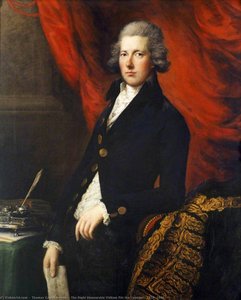
The name Thomas Pitt, though perhaps less instantly recognizable than some of his contemporaries, represents a pivotal figure in the artistic landscape of 17th-century England – a sculptor who skillfully navigated the confluence of burgeoning Renaissance ideals and the pragmatic demands of colonial administration. Born in Blandford Forum, Dorset, in 1653, Pitt’s life was inextricably linked to both the artistic traditions of his native region and the ambitious expansion of the English East India Company. He wasn't merely a craftsman; he was an administrator, a diplomat, and ultimately, a key player in shaping the cultural identity of burgeoning settlements in India – a legacy powerfully expressed through his enduring sculptures.
Pitt’s early life provided him with a grounding in both artistic skill and administrative acumen. His father, John Pitt, was Rector of Blandford St Mary, a position that exposed young Thomas to the rich artistic heritage of Dorset, particularly the impressive mural monuments within the local church – works that undoubtedly influenced his developing aesthetic sensibilities. However, it was the family’s involvement in trade, specifically with the East India Company, that dramatically altered the course of his life. In 1674, Pitt embarked on a daring venture to the Indian subcontinent, defying company regulations and engaging in independent trading – an act that ultimately led to fines but also established him as a shrewd businessman and a figure of considerable wealth. This experience proved transformative, exposing him to diverse cultures, religious practices, and artistic styles far removed from the familiar landscapes of England.
Pitt’s arrival in Madras (now Chennai) in 1698 marked the beginning of his distinguished career as President of Fort St. George. This role wasn't simply one of administrative oversight; it was an opportunity to actively shape the visual environment of the colony, and Pitt seized it with characteristic determination. He commissioned a series of sculptures that served both practical and symbolic purposes – portraits of key figures in the East India Company’s administration, religious iconography reflecting the diverse faiths present in Madras, and monumental works intended to project an image of strength and authority. His work during this period is characterized by a blend of Baroque dynamism and a nascent Rococo sensibility, evident in his meticulous detailing and dramatic use of light and shadow.
The sculptures produced under Pitt’s direction are particularly significant for their role in establishing a visual language for the English presence in India. Unlike earlier representations that often depicted Indians as exoticized figures, Pitt's portraits frequently presented them with dignity and respect – a reflection of his own experiences and observations. His religious sculptures, while adhering to Western artistic conventions, incorporated elements of local iconography, demonstrating an attempt to bridge cultural divides. The Epergne (1761), a stunning silver centerpiece now housed in Most-Famous-Paintings’s collection, exemplifies this approach—a lavish display of Rococo design that subtly references Indian motifs through its intricate detailing and opulent materials.
Pitt's career extended far beyond the confines of Madras. Upon his return to England, he entered the political arena, demonstrating a remarkable ability to navigate the complexities of Parliament. His descendants would go on to forge a significant political dynasty, with his grandson and great-grandson both ascending to the highest offices in the land – a testament to the family’s influence and connections. This lineage further cemented Pitt's legacy as more than just an artist; he was a pivotal figure in shaping British history.
The patronage of art played a crucial role in maintaining this political standing. Pitt himself was a discerning collector, and his descendants continued to support artistic endeavors, commissioning works from leading sculptors and artists throughout the 18th century. The connections between art and politics were deeply intertwined, with portraits serving as powerful symbols of status and authority – a tradition that can be traced directly back to Thomas Pitt I.
Thomas Pitt’s contribution to English sculpture is often overshadowed by the more celebrated figures of his time. However, his work represents a fascinating intersection of artistic skill, administrative responsibility, and colonial ambition. His sculptures offer a unique window into the cultural dynamics of 17th-century England and India – a testament to his ability to bridge worlds through art. The meticulous detail, dramatic compositions, and subtle integration of local influences in his works continue to fascinate scholars and collectors alike, ensuring that Thomas Pitt I’s legacy endures as a significant chapter in the history of British art.

1653 - 1726 , United Kingdom


Будьте в курсі останніх новин зі світу мистецтва, ексклюзивних пропозицій та ідей для декорування.
Розкажіть нам про свій проєкт, і наші експерти з мистецтва підготують для вас 3 персоналізовані пропозиції щодо творів мистецтва.
Дозвольте нам підібрати 3 варіанти спеціально для вас — безкоштовно!


 Переглянути в інтер'єрі
 Надіслати як листівку
 Поділитися
 Детальніше

 Завантажити
 Схожі експонати
 Рентгенівське дослідження
 Слайд-шоу


 Читати далі