


x


 Замовити друк Купити цифрове зображення
 Надіслати
 Деталі витвору
 Додати до улюблених
 Завантажити
 Схожі вироби
 Рентгенівське дослідження
 Слайд-шоу
 Baroque
 89.0 x 62.0 cm
Написана вручну олією на полотні у вашому розмірі та рамі, виготовлена на замовлення нашими художниками.
Обирайте з наших стандартних розмірів, що відповідають оригінальним пропорціям твору мистецтва.

Ви можете вказати власні розміри, щоб репродукція підійшла до конкретної рами або інтер'єру. Якщо вибраний вами розмір не відповідає пропорціям оригіналу, ми або обріжемо полотно, або доповнимо картину додатковими елементами, промальованими вручну. Цифровий макет буде надіслано вам на затвердження перед початком виробництва.
Зверніть увагу, що попередній перегляд на екрані не відображає фактичне обрізання або розширення зображення. Тільки макет точно покаже остаточну композицію.
Хоча ми можемо виготовити виріб у нестандартному розмірі, для збереження оригінальних пропорцій рекомендуємо обирати варіанти зі встановленого списку.
Доставка по всьому світу () за 3–4 тижні замість стандартних 5 тижнів. (20 Липень). Без жодних компромісів у якості.


A Hawk Striking at a Heron
Розмір репродукції

Thomas Stringer (1722-1790) remains a somewhat enigmatic figure in the annals of 18th-century British art, yet his captivating equine portraits and meticulously rendered landscapes offer a unique window into the world of aristocratic leisure and rural life. Born in Knutsford, Cheshire, a region steeped in gentry tradition, Stringer’s artistic journey was shaped by both innate talent and a series of influential encounters – from apprenticeship to patronage, and ultimately, a distinctive style that blended observation with a touch of whimsical invention.
Early life provided little indication of the artist he would become. He began as a servant in the household of Peter Legh, a prominent local landowner, an experience that instilled a keen eye for detail and a familiarity with the rhythms of rural existence. However, a falling out led to his departure, setting him on a path toward establishing himself as a professional painter. This early period undoubtedly honed his skills in capturing animal forms – a crucial element in his later success.
Stringer’s career truly blossomed during the mid-18th century, coinciding with a surge in demand for portraits of horses and their riders. The aristocratic pursuit of hunting and equestrian sport fueled this trend, creating a lucrative market for artists capable of depicting these subjects with grace and accuracy. Stringer quickly gained recognition for his ability to capture not just the physical appearance of the animals but also their spirit and movement. His paintings weren’t merely representations; they conveyed a sense of dynamism and connection between horse and rider.
His commissions came primarily from wealthy landowners in Cheshire and beyond – families like the Brooke, Heron, and Smith-Barry, all prominent figures within the region's social and economic landscape. These patrons sought portraits that reflected their status and celebrated their sporting pursuits. Stringer’s work became synonymous with this aristocratic ideal, showcasing a refined aesthetic and an appreciation for the beauty of the countryside.
Stringer's artistic style is immediately recognizable, characterized by a unique blend of observation and illusionistic technique. He possessed a remarkable ability to render details with precision – from the texture of horsehair to the folds in a rider’s clothing – yet he frequently employed techniques that subtly altered the viewer’s perception of space. A common feature of his paintings is the tendency to “disappear” elements into the background, creating an impression of depth and movement. This technique, often described as a form of visual trickery, adds a layer of complexity and intrigue to his compositions.
His use of color was also notable – favoring muted tones and earthy hues that evoked the natural world. He skillfully employed light and shadow to create a sense of atmosphere and drama, further enhancing the realism of his subjects. The signature element of many of his works is the nonchalant crossing of the sitter’s legs, a detail that adds a touch of informality and personality to the portraits.
Among Stringer's most celebrated paintings are “Beauty, a dapple grey,” a captivating portrait of a young mare, and "A gentleman with his hounds in an extensive landscape," which offers a glimpse into the aristocratic pursuit of hunting. “View, Supposedly of Poynton Hall, Cheshire” is another significant work, showcasing Stringer’s ability to capture the beauty of the English countryside.
Despite his prolific output and considerable reputation during his lifetime, Stringer faded from public view after his death in 1790. For many years, his work was largely overlooked, overshadowed by more prominent artists of the era. However, in recent decades, a renewed interest in 18th-century British art has led to a reassessment of Stringer’s contribution – recognizing him as a skilled and imaginative painter who deserves greater recognition for his unique artistic vision. His paintings continue to be exhibited and studied, offering valuable insights into the social and cultural life of Georgian England.
For further information on Thomas Stringer, consider exploring these resources:

1722 - 1790

Пориньте у світ мистецтва XVIII століття! Від рококо до неокласицизму – відкрийте 10 шедеврів від Давида, Ватто та інших геніїв. Репродукції картин преміум-якості для вашого дому на Most-Famous-Paintings.com

Explore the opulent world of Rococo art! Discover its origins, key artists like Watteau & Boucher, and lasting influence on design. Expert insights for collectors & enthusiasts.

Відкрийте для себе 10 шедеврів сюрреалізму від Далі, Магрітта та інших геніїв! Історія створення, унікальні техніки та вплив на мистецтво. Купуйте репродукції картин високої якості для вашого інтер'єру на Most-Famous-Paintings.com.
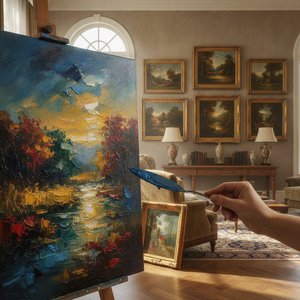
Most-Famous-Paintings – високоякісні репродукції олійного живопису та картини на замовлення. Ручна робота, автентичні техніки, персоналізація та гарантія задоволення. Створіть свою сімейну реліквію вже сьогодні!

Explore the rich history of birds in painting! Discover symbolism, artistic movements & master artists like Audubon. High-quality reproductions available at Most-Famous-Paintings.


Будьте в курсі останніх новин зі світу мистецтва, ексклюзивних пропозицій та ідей для декорування.
Розкажіть нам про свій проєкт, і наші експерти з мистецтва підготують для вас 3 персоналізовані пропозиції щодо творів мистецтва.
Дозвольте нам підібрати 3 варіанти спеціально для вас — безкоштовно!


 Поділитися

 Розгорнути текст




































 Скляний варіант доступний лише для розмірів до 110 см


