x

Придбайте цифрову копію високої роздільної здатності з покращеною якістю, що значно перевершує онлайн-перегляд.
Кожен файл ретельно підготовлений нашими фахівцями за допомогою сучасних інструментів та професійної ручної ретуші. Ми гарантуємо виняткову чіткість, точну передачу кольору та високу деталізацію кожного зображення.
Фінальний файл надсилається електронною поштою протягом 72 годин і оптимізований для негайного використання у професійних виданнях та друкованих матеріалах. Таку якість обирають провідні дизайнерські студії, видавництва та галереї.
Завантажте файл високої роздільної здатності для особистого використання, друку та творчих проєктів. ( Замовити принт Замовити репродукцію ручної роботи)
Обираючи Most-Famous-Paintings.com, ви отримуєте не просто зображення — ви отримуєте професійно вдосконалений цифровий витвір мистецтва, створений з надзвичайною точністю та підкріплений гарантією задоволення. Ось усе, що автоматично додається до вашого замовлення:

Ваш цифровий файл із зображенням високої роздільної здатності буде надісланий вам електронною поштою протягом 72 годин після оформлення замовлення — він буде готовий до негайного використання.

Ваш витвір мистецтва професійно оптимізовано за допомогою передових інструментів штучного інтелекту та ручної корекції, що забезпечує максимальну деталізацію, чіткість і точність передачі кольорів.

Випадково видалили або втратили файл? Не хвилюйтеся — ми надішлемо його вам повторно в будь-який час безкоштовно.

Насолоджуйтесь вашим витвором мистецтва миттєво без жодних мит, зборів або плати за доставку — цифрові завантаження завжди не оподатковуються.

Ми гарантуємо максимально точне відтворення оригінальних кольорів на вашому цифровому зображенні завдяки використанню професійних інструментів та систем управління кольором.

Якщо ви не задоволені придбаним цифровим зображенням, ми відкоригуємо його або повернемо 100% вартості протягом 60 днів — без жодних запитань.

Не задоволені покупкою? Отримайте повне повернення коштів протягом 60 днів після отримання цифрового файлу — без жодних запитань.

Купуйте 3 зображення — заощаджуйте 10% — Купуйте 5 — заощаджуйте 15% — Купуйте 10+ — заощаджуйте 20%. Чудово підходить для творчих проєктів, галерей та агентств.
In the quietude of 1895, Winslow Homer captured a scene that transcends mere observation, offering instead a profound meditation on peace and presence. The Guide is not simply a depiction of a man resting by a tree; it is an invitation into a world where the frantic pace of modern life dissolves into the rhythmic stillness of nature. As we gaze upon this exquisite watercolor, we find ourselves seated alongside the subject, witnessing a moment of profound tranquility. The composition, anchored by the sturdy presence of a tree trunk, cradles the central figure in a way that feels both protective and intimate. With his legs crossed and eyes perhaps wandering toward a distant horizon, the man embodies a state of being entirely at home within the landscape. This sense of belonging is deepened by the subtle inclusion of a companion and a loyal dog in the background, elements that transform a solitary moment into a shared experience of pastoral harmony.
The emotional resonance of this piece lies in its ability to evoke nostalgia for a simpler existence. For the collector or the interior designer, The Guide serves as a window into an era of American Realism where the beauty of the ordinary was celebrated with reverence. There is a palpable sense of breath and air within the painting, a feeling that if one were to step into the frame, the only sounds would be the rustle of leaves and the soft breathing of the dog. It is a work that does not demand attention through grandiosity but earns it through its quiet, persistent grace, making it an ideal centerpiece for spaces designed for reflection, study, or relaxation.
To understand the brilliance of The Guide, one must appreciate Homer’s unparalleled command over the watercolor medium. Unlike the heavy, opaque layers of oil painting, watercolor allows for a luminous transparency that mimics the very essence of light filtering through a forest canopy. Homer utilizes delicate brushstrokes and soft, layered washes to create a sense of depth and atmosphere that feels almost ethereal. The colors are not bold or jarring; rather, they are a sophisticated palette of earth tones, muted greens, and soft ochres that harmonize with the natural subject matter. This technique allows the artist to capture the subtle nuances of texture—the rough bark of the tree, the softness of the ground, and the gentle light hitting the figure’s clothing.
This technical prowess is a testament to Homer's origins as a commercial illustrator. His training taught him the importance of clarity and the ability to convey complex moods with precise, economical marks. In The Guide, every stroke serves a purpose, contributing to an overall atmosphere of serenity. For those seeking a high-quality reproduction, it is this meticulous attention to detail—the way the light seems to glow from within the paper itself—that makes a hand-painted version of this masterpiece so captivating. It brings not just a color scheme into a room, but a tangible sense of light and atmosphere that can transform the entire mood of an interior.
Historically, The Guide stands as a pivotal expression of late 19th-century American identity. During a period of rapid industrialization and westward expansion, Homer’s work provided a visual anchor to the enduring spirit of the American landscape. He moved away from the grand, often staged narratives of European traditions, choosing instead to find the monumental within the mundane. This painting is a prime example of how he elevated everyday life—the simple act of a guide resting in the woods—to the level of high art. The work reflects a deep-seated respect for the natural world and a recognition of the quiet dignity found in those who live in harmony with it.
For the discerning art lover, owning a reproduction of such a significant work is an opportunity to connect with the roots of American visual language. The Guide is more than a decorative element; it is a piece of history that continues to speak to our universal desire for connection, peace, and a return to nature. Whether placed in a sunlit gallery or a cozy living space, it acts as a constant, gentle reminder of the beauty that exists when we take the time to simply sit, observe, and be present.

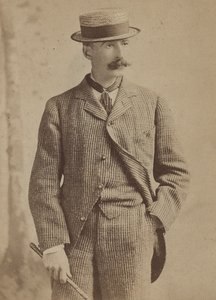
1836 - 1910 , США


Будьте в курсі останніх новин зі світу мистецтва, ексклюзивних пропозицій та ідей для декорування.
Розкажіть нам про свій проєкт, і наші експерти з мистецтва підготують для вас 3 персоналізовані пропозиції щодо творів мистецтва.
Дозвольте нам підібрати 3 варіанти спеціально для вас — безкоштовно!


 Переглянути в інтер'єрі
 Надіслати як листівку
 Поділитися
 Детальніше

 Завантажити
 Схожі експонати
 Рентгенівське дослідження
 Слайд-шоу

 Читати далі