x

这些画家重塑了人类对美、光影与形态的认知。悬停以探索他们的传世之作。
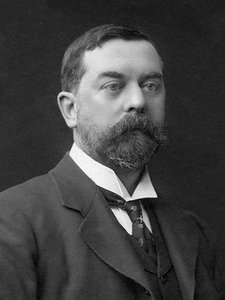
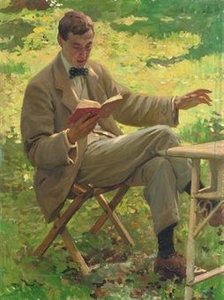
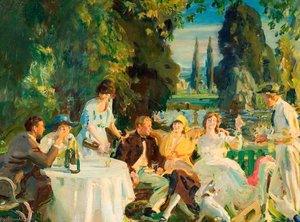
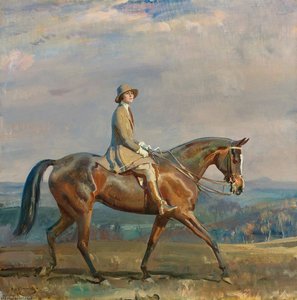
英国印象派画家阿尔弗雷德·穆宁斯(1878-1959),以描绘骏马和乡村生活闻名。他的作品捕捉了传统英格兰的魅力,展现了狩猎、赛马等场景,是英国艺术遗产的重要组成部分。


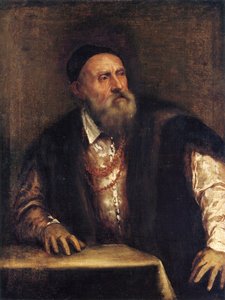
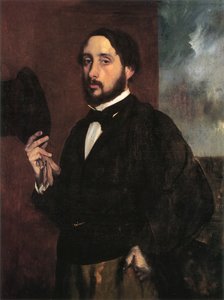


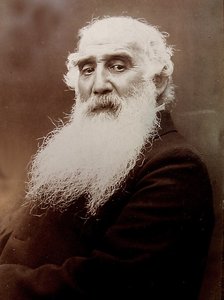
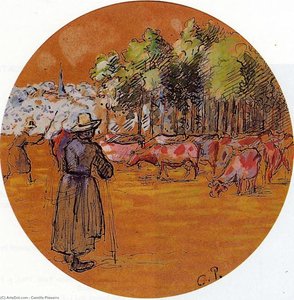
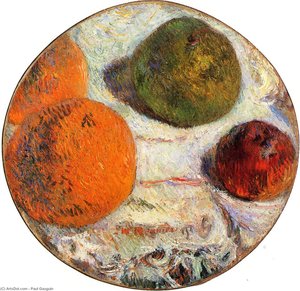
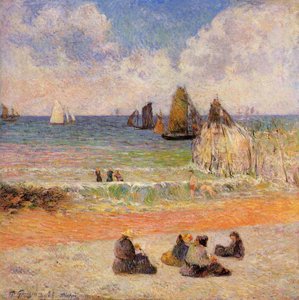
巴黎 法国 尤金·亨利·保罗·高更 高更 波尔·高更,后印象主义大师,以大胆的色彩、异域风情的主题和象征主义风格著称。他的作品融合了印象派的影响与对原始文化的探索,创作出《女人与芒果》、《被死灵注视者》等经典之作,深刻影响了现代艺术的发展。 后印象主义, 象征主义 毕加索 卡米耶·皮萨罗 1848 1903 尤金·亨利·保罗·高更 法国 《清晨》 教师 1 高更成为全职艺术家之前从事什么职业?


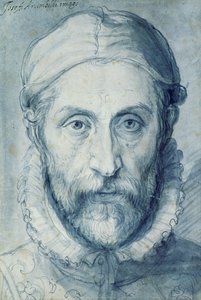
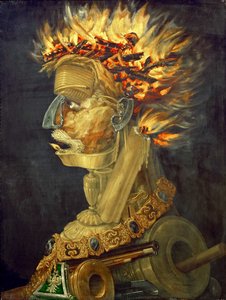
Giuseppe Arcimboldo (1527-1593) 是一位意大利曼尼尔主义画家,以其将水果、蔬菜和物品巧妙组合成人物肖像而闻名。他的作品充满奇思妙想,富含象征意义,是文艺复兴时期独特的艺术表达,对后世超现实主义绘画产生了深远影响。
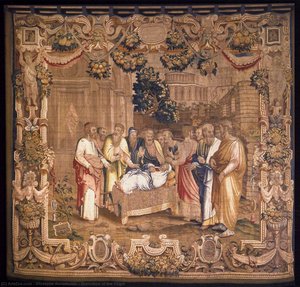

Not a print. A hand-painted oil reproduction of the world's greatest works — framed in solid wood and delivered ready to hang.
穿越八个世纪的艺术成就——从拜占庭黄金时代到当代多元主义——寻觅那件能与你产生共鸣的作品。
c. 500–1000 CE
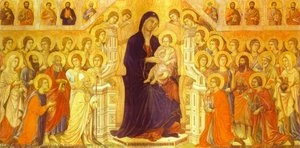
Characterized by the fusion of classical Greco-Roman, Christian, and barbarian artistic traditions across Europe. This era saw the height of Byzantine imperial splendor, the development of intricate insular illumination, and the rise of Carolingian and Ottonian monastic workshops. Art primarily served liturgical functions, emphasizing spiritual abstraction over naturalistic representation.


c. 1000–1300 CE
Marked by a dramatic expansion of urban centers and religious institutions across Western Europe. This period witnessed the development of monumental Romanesque stone sculpture and the subsequent birth of the Gothic style, defined by soaring rib vaults and luminous stained glass. Imagery became more expressive, reflecting a deeply structured feudal and ecclesiastical worldview.

c. 1300–1400 CE
A transformative era defined by profound social shifts and the devastating impact of the Black Death. Artistic production responded with intensely emotive, humanized religious imagery. The International Gothic style brought refined courtly elegance to panel painting, while Italian Proto-Renaissance pioneers began reintroducing spatial depth, laying the groundwork for humanistic naturalism.


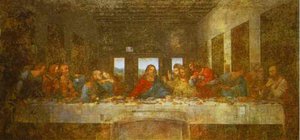
c. 1400–1600 CE
Characterized by a self-conscious revival of classical antiquity and the rise of intellectual humanism. Artists revolutionized visual culture through the mathematical mastery of linear perspective, anatomical precision, and the development of oil painting techniques. No longer mere artisans, creators achieved elevated status, balancing secular civic pride with innovative sacred commissions.
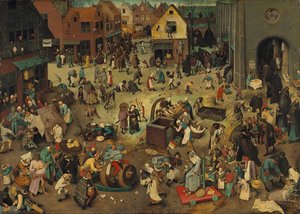

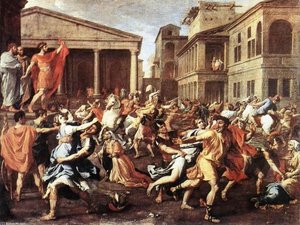
c. 1600–1800 CE
Spanning the dynamic shifts of the seventeenth and eighteenth centuries, this era encompasses the theatrical grandeur of the Baroque and the delicate intimacy of the Rococo. Driven by Counter-Reformation zeal and the wealth of global trade networks, artists manipulated light, shadow, and scale to create emotionally charged, politically potent visual environments.
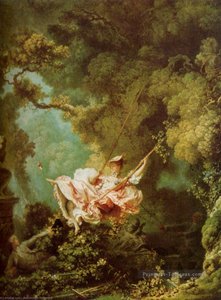

c. 1800–1900 CE
An era of rapid industrialization and socio-political upheaval that shattered traditional academic hegemony. Artistic production fragmented into a succession of revolutionary movements: the emotional intensity of Romanticism, the unvarnished truth of Realism, and the ephemeral light studies of Impressionism. This period fundamentally redefined the relationship between the artist and modern society.
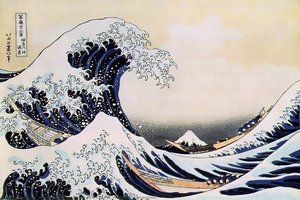


c. 1900–1970 CE
Defined by a radical rejection of traditional representation and the celebration of the avant-garde. Spurred by global conflicts and technological acceleration, artists embraced abstraction and conceptual experimentation. Movements such as Cubism, Expressionism, and Pop Art interrogated the very definition of art, reflecting the fragmented psychological landscape of twentieth-century life.


c. 1970–Present
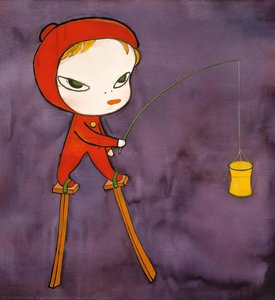
Encompassing diverse artistic practices from the late twentieth century to the present day. Characterized by pluralism and postmodern critique, this era moves beyond singular movements to embrace installation, performance, and digital media. Artists engage directly with global networks, questioning identities, geopolitical structures, and the boundaries of an increasingly interconnected visual culture.
Every great painting, hand-reproduced in oil and delivered ready to hang. Find yours.
按艺术流派浏览我们的藏品,探索那些重塑了画家视野——以及世界看待绘画方式的艺术运动。


Rejecting idealized academic conventions and dramatic romanticism, Realism emerged in the mid-19th century as a deliberate effort to document everyday life with unvarnished objectivity. Painters focused on the working class, mundane tasks, and contemporary social realities, favoring earthy palettes and honest representation over mythologized or heroic subjects.
探索系列


Developed in the late 19th and early 20th centuries, this movement captured the changing landscape of American life with profound honesty. Artists documented rapidly growing urban centers, industrial labor, and quiet rural communities, creating a distinct visual identity that reflected the social transformations, grit, and unique character of a developing nation.
探索系列


Arising in the late 18th century as a critique of Enlightenment rationalism, Romanticism championed intense emotion, individual imagination, and the awesome power of nature. Artworks from this period frequently feature dramatic compositions, rich colorism, and a fascination with the sublime, emphasizing human vulnerability against vast, untamable elements.
探索系列


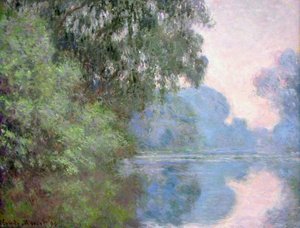
Originating in late 19th-century France, Impressionism revolutionized Western painting by discarding formal studio practices for plein-air execution. Characterized by loose, visible brushwork and a vivid palette, artists prioritized the shifting effects of light, atmospheric conditions, and transient everyday moments over precise line and traditional narrative content.
探索系列


Emerging as an extension of and reaction to Impressionism, this diverse late 19th-century movement shifted focus from objective sensory perceptions to structured, symbolic expression. Artists employed vivid, non-naturalistic color, thick paint application, and defined geometric forms to explore personal psychological depths and greater formal order on the canvas.
探索系列


This late 19th-century avant-garde movement rejected literal representation in favor of expressing ideas, psychological states, and spiritual truths through metaphorical imagery. Heavily influenced by poetry and mysticism, artists constructed dreamlike, allegorical scenes that prioritized internal emotions, mythology, and the subconscious over the objective observation of the natural world.
探索系列
Inspired by the archaeological rediscovery of classical antiquity, Neoclassicism dominated the late 18th century by emphasizing rationality, order, and civic virtue. Reacting against late Baroque decorative excesses, paintings feature austere, symmetric compositions, linear precision, smooth surfaces, and historical subject matter designed to inspire moral clarity and political duty.
探索系列


Flourishing at the turn of the 20th century, Art Nouveau sought to break down the traditional hierarchy between fine art and applied arts. Visually defined by sinuous, flowing lines, organic curves, and elegant botanical motifs, the movement aimed to create a harmoniously integrated aesthetic environment encompassing painting, architecture, and decorative objects.
探索系列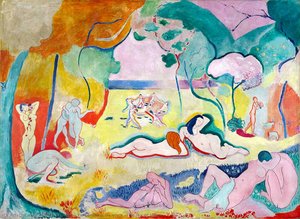
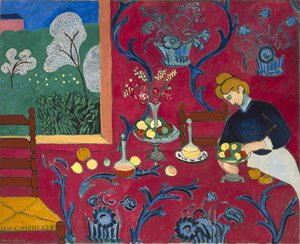
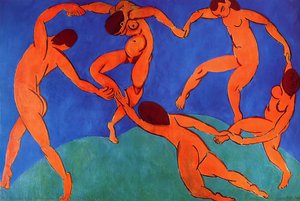
Pioneered in the early 20th century, Fauvism was characterized by its revolutionary use of explosive, non-naturalistic color and raw, visible brushwork. Artists liberated color from its traditional descriptive role, employing pure, unmodulated pigments directly from the tube to project intense emotion and establish structural rhythm independent of literal reality.
探索系列

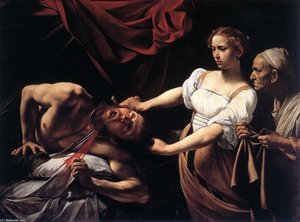
Encouraged by the Counter-Reformation in the 17th century, Baroque art is defined by dynamic movement, theatrical grandeur, and intense emotional appeal. Masters used pronounced chiaroscuro — a sharp contrast between deep shadow and piercing light — to craft deeply immersive, awe-inspiring compositions that engaged the viewer's spirituality through vivid sensory experiences.
探索系列


Marking the transition from the medieval period to modernity, the Renaissance witnessed a profound revival of classical Greco-Roman learning and philosophy. Artistically, this era introduced revolutionary advancements in linear perspective, anatomical precision, and balanced, harmonious proportions, synthesizing deep Christian devotion with a newly awakened scientific humanism and naturalism.
探索系列


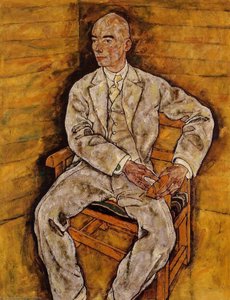
Originating in early 20th-century northern Europe, Expressionism prioritized the depiction of subjective psychological states over objective external reality. Artists utilized radical formal distortion, harsh jagged lines, and jarring, unnatural colors to project internal anxieties, alienation, and raw emotional intensity, frequently offering a pointed critique of modern industrial society.
探索系列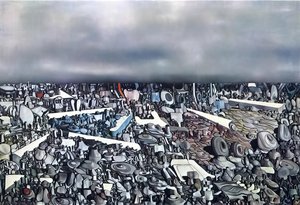

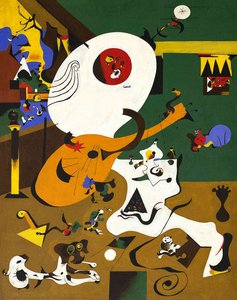
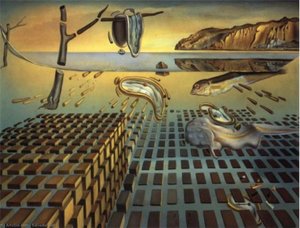
Founded in the 1920s, Surrealism aimed to bridge the fractured boundaries between dream and reality by liberating the creative power of the subconscious mind. Influenced deeply by psychoanalysis, artists utilized unexpected, bizarre juxtapositions, automatism, and illusionistic techniques to challenge rational thought and explore the poetic logic of the unconscious.
探索系列
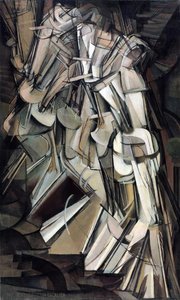

Co-founded in the early 20th century, Cubism radically dismantled centuries of traditional perspective by deconstructing objects into flat, geometric facets. Instead of depicting a subject from a single static viewpoint, artists rendered figures from multiple angles simultaneously, asserting the canvas as a conceptual, two-dimensional construction rather than an illusionistic window.
探索系列


Emerging in the mid-20th century, Pop Art challenged the elitism of traditional fine art by incorporating imagery from popular culture, mass media, and consumerism. Utilizing commercial printing techniques, comic strip aesthetics, and bold advertising palettes, artists mirrored and critiqued post-war society, effectively blurring the boundaries between high and low culture.
探索系列

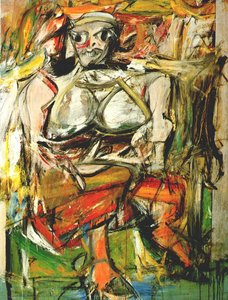
Developing in post-World War II New York, Abstract Expressionism shifted the focus of painting to pure abstraction and monumental scale. Through spontaneous gestural brushwork, action painting, and expansive color fields, artists sought to communicate universal human emotions and cross-cultural spiritual truths directly from the subconscious, emphasizing the physical act of creation.
探索系列
Spanning the late 19th to mid-20th centuries, Modernism represents a broad, experimental break from classical academic traditions in response to rapid industrialization and global change. Embracing the ethos of constant reinvention, artists systematically questioned the nature of representation, exploring fragmentation, abstraction, and the intrinsic qualities of their artistic mediums.
探索系列Produced from the late 20th century to the present, Contemporary art is characterized by a globally diverse, institutionally critical, and technologically fluid landscape. Moving beyond traditional boundaries of style and medium, artists utilize conceptual frameworks, digital tools, and multimedia installations to engage dynamically with urgent themes of identity, globalization, and socio-political critique.
探索系列我们收录了来自全球数千家机构的杰作。探索这些馆藏——随后将艺术品带回家中。

探索LACMA跨越千年的多元艺术收藏!从古代文物到现代杰作,在洛杉矶发现标志性展览和引人入胜的展品。
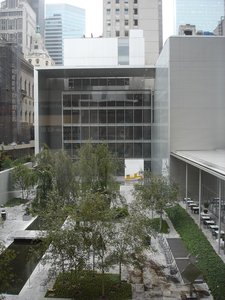
探索 MoMA 的现代与当代艺术!欣赏梵高的《星夜》、毕加索的《亚威农少女》和安迪·沃霍尔的《罐头汤》等标志性作品。沉浸在突破性的展览和设计中,感受纽约 Midtown Manhattan 的艺术魅力。
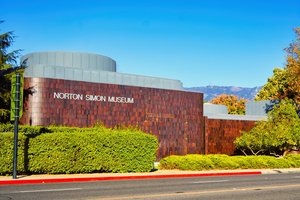
探索诺顿·西蒙博物馆,欣赏梵高的杰作和毕加索的《读书的女人》!馆藏丰富,融合欧洲与亚洲艺术精髓,尽在帕萨迪纳。
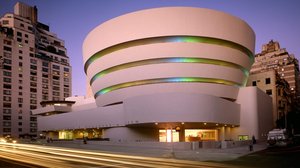
探索纽约市标志性古根海姆博物馆的现代与当代艺术!惊叹于弗兰克·劳埃德·赖特的建筑杰作,以及康定斯基、毕加索等大师的作品。独一无二的文化地标。
围绕同一主题的三篇解读 —— 由我们的编辑团队精心挑选,旨在带您更深层次地领略馆藏作品之美。
 Ebook
Ebook
Commission a timeless custom portrait from skilled artists. Preserve your family's legacy with museum-quality artwork & expert guidance. Explore the enduring value of fine art.
 Ebook
Ebook
Explore the art of multi-panel arrangements for impactful interiors. Expert guidance on spatial harmony, visual storytelling & psychological impact – perfect for luxury hotels and discerning collector
 电子书
电子书
探索艺术复兴的当代价值,深入了解威尼斯画派的人文精神。定制油画、提升审美能力,让经典艺术融入您的生活空间,打造高品质家居环境。WahooArt.com为您提供专业的艺术咨询与服务。
请在下方选择一个答案 —— 然后点击链接,前往专属页面继续完成这项五题挑战。
巴恩斯基金会由谁创立? — Merion Station, 美国
卡拉瓦乔最著名的艺术技巧是什么?
Abinet Teshome 是一位常驻哪座城市的摄影师?
每一件复制品都始于我们的档案库。我们通过博物馆级的摄影作品和学术目录对原作进行深入研究,以确保每一种色彩、纹理及比例细节都达到精准无误。
我们的工作室聘请了受过古典技法训练的画家——其中许多人拥有美术学位,并专注于特定的艺术时期或流派。我们会根据每位艺术家的精湛技艺,为其匹配最合适的创作作品。
亚麻与棉质画布。耐光性达百年以上的油画颜料。配方与博物馆修复所用清漆完全一致。因为一件伟大的复制品,理应享有与原作同等的悉心呵护。


第一时间获取最新的艺术新闻、独家优惠及装饰灵感。
向我们介绍您的项目需求,我们的艺术专家将为您提供 3 个个性化的艺术品推荐。
由我们的专家为您精选 3 款心仪之作 —— 完全免费!