x





























从与原作比例一致的预设尺寸中进行选择。

您可以输入自定义尺寸,以适配特定的画框或空间。如果所选尺寸与原图比例不符,我们将通过裁剪作品或添加手绘元素来扩展画面。数字样稿将在制作开始前发送给您确认。
请注意,屏幕预览无法准确反映实际的裁剪或扩展效果,只有样稿才能真实呈现最终的构图。
虽然我们提供定制尺寸服务,但为了保留原作比例,建议您从预设列表中选择尺寸。

Apostle St Thomas
复制品尺寸
Dominikos Theotokópoulos, universally known as El Greco – “the Greek” – possessed an artistic vision that stubbornly defied categorization, a singular blend of Byzantine spirituality and Renaissance dynamism. His 1610 painting, “Apostle St Thomas,” housed within the Museo de El Greco in Toledo, Spain, stands as a potent testament to this unique approach, offering a glimpse into the mind of a master who anticipated the emotional currents of Expressionism centuries before its formal emergence. More than simply a portrait of an apostle, it’s a deeply felt meditation on faith, doubt, and the arduous journey toward spiritual understanding.
The painting immediately commands attention through its dramatic use of color and form. A deep, almost impenetrable darkness dominates the background, drawing the viewer's eye relentlessly to the central figure – St Thomas himself. He is depicted with a palpable sense of gravity, his features etched with an intensity that speaks volumes about his experience. The artist’s masterful manipulation of light creates a powerful contrast between the illuminated apostle and the enveloping shadows, suggesting both vulnerability and profound conviction. El Greco's signature style—characterized by elongated figures, distorted perspectives, and vibrant, often clashing colors—is fully realized here, creating an atmosphere that is simultaneously unsettling and deeply moving.
El Greco’s technical prowess is evident in every brushstroke. The painting was executed in oil on canvas, a medium he expertly utilized to achieve remarkable detail and texture. Notice the meticulous rendering of St Thomas's robe, its folds cascading with an almost sculptural quality. The artist employs a technique known as “sfumato,” subtly blurring edges and creating a sense of atmospheric depth—a crucial element in conveying the painting’s emotional weight. The staff held by the apostle is not merely a prop; it’s integrated into the composition, adding both visual interest and symbolic significance. Its upward thrust directs the viewer's gaze towards the heavens, reinforcing the theme of spiritual aspiration.
The composition itself is carefully constructed to guide the viewer’s eye. The figure of St Thomas occupies a central position, yet he isn’t isolated. His hands—one gesturing downward in a gesture of doubt and the other holding the staff—create a dynamic tension within the frame. This duality reflects the apostle's own struggle with disbelief before his eventual acceptance of Christ’s resurrection. The limited use of color – primarily deep blues, reds, and browns – further emphasizes the figure’s prominence and contributes to the painting’s overall sense of solemnity.
Born in Crete around 1541, El Greco spent much of his career in Italy and Spain, absorbing influences from various artistic traditions. His time in Toledo, a city steeped in religious history and art, proved particularly formative. The painting’s setting—a dimly lit interior reminiscent of the austere churches of Toledo—underscores its devotional purpose. St Thomas, as the apostle who initially doubted Christ's resurrection before receiving proof through the wound in his side, embodies the theme of faith tested by adversity.
The inclusion of the staff is also significant. It represents the pillar upon which St Thomas rested after touching the resurrected body of Christ—a potent symbol of unwavering belief and divine confirmation. The painting’s overall mood reflects the turbulent religious climate of 17th-century Spain, a period marked by both fervent piety and intense persecution of heresy. El Greco's work, often interpreted as challenging conventional artistic norms, resonated with audiences who sought a more emotionally resonant form of religious expression.
Today, “Apostle St Thomas” continues to captivate viewers with its raw emotional power and technical brilliance. The Museo de El Greco in Toledo serves as a dedicated shrine to the artist’s legacy, housing an extensive collection of his works alongside those of other Spanish masters. El Greco's influence extends far beyond the confines of the museum walls; he is considered a precursor to Expressionism and Cubism, artists who similarly sought to convey subjective experience through distorted forms and intense color palettes.
Reproductions of “Apostle St Thomas” are highly sought after by collectors and interior designers alike, offering a way to bring this iconic masterpiece into private homes and spaces. Whether admired for its historical significance or simply appreciated for its aesthetic beauty, El Greco’s “Apostle St Thomas” remains a powerful reminder of the enduring power of faith, doubt, and artistic vision.

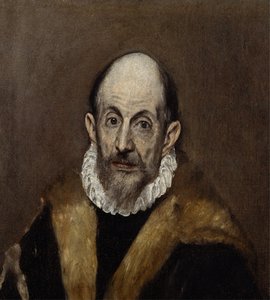
1541 - 1614 , 希腊
Explore the dramatic transition from High Renaissance harmony to Mannerist tension. Discover how masters like El Greco redefined art through distortion and spiritual intensity. An expert guide for art enthusiasts seeking deep historical context and museum-quality inspiration.

Explore the dramatic evolution of Mannerism from High Renaissance perfection to El Greco's spiritual intensity. Discover the history, techniques, and enduring legacy of this transformative era through an expert art-history lens.


第一时间获取最新的艺术新闻、独家优惠及装饰灵感。
向我们介绍您的项目需求,我们的艺术专家将为您提供 3 个个性化的艺术品推荐。
由我们的专家为您精选 3 款心仪之作 —— 完全免费!


 效果预览
效果预览
 购买印刷品
购买印刷品 分享
分享 分享
分享
 详情
详情

 下载
下载
 相似作品
相似作品 X射线
X射线 幻灯片播放
幻灯片播放


 展开详情
展开详情









 玻璃选项仅适用于110厘米以下的尺寸。