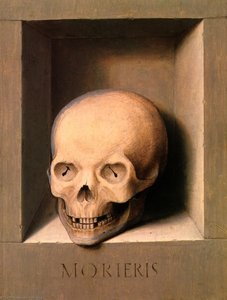
x


 Preview
 Koupit tisk Koupit digitální obrázek
 Sdílet
 Podrobnosti o díle
 Přidat do oblíbených
 Stáhnout
 Podobné položky
 Rentgenové snímky
 Slideshow
 Oil On CanvasWallArtRealist Painting
 187219th Century
 111.0 x 79.0 cm
 Hamburger Kunsthalle
Ručně malovaná olejná barva na plátně ve vašem zvoleném rozměru i s rámem, vyrobená našimi umělci na zakázku.





























Vyberte si z našich přednastavených velikostí, které odpovídají původním proporcím díla.

Můžete zadat vlastní rozměry pro konkrétní rám nebo prostor. Pokud se vámi vybraná velikost neshoduje s proporcemi původního obrazu, dílo buď ořízneme, nebo jej doplníme ručně malovanými prvky. Před zahájením výroby vám bude zaslán digitální náhled ke schválení.
Upozorňujeme, že náhled na obrazovce neodpovídá skutečnému ořezu ani rozšíření. Pouze digitální náhled přesně zobrazí finální kompozici.
Ačkoliv je možné zvolit vlastní velikost, pro zachování původních proporcí doporučujeme vybrat rozměr z předdefinovaného seznamu.
Celosvětová doprava () za 3–4 týdny namísto standardních 5 týdnů. (27 červenec). Bez kompromisů v kvalitě.


The Studio Wall
Rozměry reprodukce
Adolph von Menzel's "The Studio Wall," painted in 1872, isn’t merely a depiction of a cluttered artist’s workspace; it’s a profoundly layered meditation on mortality, memory, and the very nature of artistic creation. At first glance, it presents a seemingly simple scene: a red-walled studio bathed in the soft glow of lamplight, populated by an array of plaster casts – busts, torsos, even a dog – arranged with meticulous care. Yet, beneath this surface lies a complex tapestry of symbolism and emotional resonance, reflecting Menzel’s own life and artistic philosophy.
The painting emerged during a pivotal period in Menzel's career, following the death of his close friend and fellow artist, Friedrich Eggers. This loss profoundly impacted the artist, fueling a preoccupation with themes of transience and remembrance. The studio itself becomes a symbolic space – a repository of fragments, echoes of those who have passed, and a testament to the enduring power of artistic legacy. Menzel’s meticulous attention to detail, honed through decades of experience in lithography and painting, is immediately apparent; each cast is rendered with astonishing realism, capturing not just their physical form but also a sense of individual character.
Menzel masterfully employs the techniques of oil on canvas to create an atmosphere of both intimacy and drama. The red wall serves as a dramatic backdrop, intensifying the effect of the lamplight that illuminates the plaster casts. This strategic use of light is crucial – it doesn’t simply illuminate; it seems to breathe life into the inanimate objects, suggesting a ghostly presence within the studio. The artist's choice of materials—the smooth, polished surfaces of the casts contrasting with the rough texture of the wall—further enhances the visual impact, creating a dynamic interplay between form and space.
Notably, Menzel’s approach to composition is unconventional for his time. Rather than presenting a traditional still life, he arranges the casts in a seemingly random yet carefully orchestrated manner. This deliberate asymmetry contributes to the painting's unsettling beauty, mirroring the fragmented nature of memory and the elusive quality of truth. The inclusion of figures like Dante and Schiller, alongside more contemporary portraits, suggests a blurring of temporal boundaries – past, present, and future converge within the confines of the studio.
The plaster casts themselves are laden with symbolic meaning. Each figure represents a facet of human experience—beauty, wisdom, mortality, love, loss. The inclusion of portraits of friends, family members, and even classical figures speaks to Menzel’s desire to create a memorial to those he held dear. The prominent placement of Friedrich Eggers' death mask is particularly poignant, suggesting that the artist was grappling with his own grief while simultaneously attempting to immortalize the memory of his friend through art.
Beyond individual portraits, the arrangement of the casts can be interpreted as a visual metaphor for the creative process itself. Like an artist assembling disparate elements into a cohesive whole, Menzel has brought together fragments of human experience—the tangible and the intangible—to create a work that transcends mere representation. The dog, often associated with loyalty and companionship, adds another layer of emotional depth to the composition.
"The Studio Wall" is more than just a painting; it’s an invitation to contemplate the complexities of human existence. Menzel's masterful use of light, color, and symbolism creates a work that is both visually stunning and emotionally resonant. It remains a powerful testament to the enduring legacy of art as a means of confronting mortality, preserving memory, and exploring the profound mysteries of the human soul. Reproductions capture this depth and detail beautifully, offering a window into Menzel’s world for generations to come.


1815 - 1905 , Polsko

Prozkoumejte 25 ikonických děl z Metropolitního muzea v New Yorku! Objevte příběhy Van Gogha, Moneta a dalších mistrů. Reprodukce obrazů pro váš interiér na Most-Famous-Paintings.com.
Prozkoumejte 25 ikonických děl Henri Matisse – mistra barev a fauvismu. Objevte příběhy za slavnými obrazy, techniky a inspiraci pro váš interiér. Reprodukce obrazů nejvyšší kvality na Most-Famous-Paintings.com.
Prozkoumejte 25 ikonických děl Jamese Abbotta McNeilla Whistlera! Obrazy Nocturnes, portréty a estetismus. Inspirace pro interiér s uměleckými reprodukcemi nejvyšší kvality na Most-Famous-Paintings.com. Objevte celou kolekci online.
Objevte 25 ikonických děl Národní galerie umění ve Washingtonu! Prozkoumejte příběhy Cézanna, Matisse a Picassa. Inspirace pro váš interiér s reprodukcemi obrazů nejvyšší kvality na Most-Famous-Paintings.com.

Prozkoumejte 25 ikonických děl Dante Gabriela Rossettiho – symbolismus, viktoriánský romantismus a krásné ženy v obrazech. Reprodukce obrazů nejvyšší kvality pro váš interiér na Most-Famous-Paintings.cz. Objevte celou kolekci online!


Buďte na tahu s nejnovějšími novinkami ze světa umění, exkluzivními nabídkami a inspirativními nápady na dekoraci.
Sdělte nám více o svém projektu a naši odborníci na umění vám připraví 3 personalizované návrhy uměleckých děl.
Nechť pro vás vybereme 3 možnosti – zdarma!


 Sdílet

 Zobrazit více







 Skleněná varianta je dostupná pouze u rozměrů menších než 110 cm