


x

 EngravingWallArtNorthern Renaissance Printmaking
 1495
1495 570.0 x 389.0 cm
 Britské muzeum
Giclée nebo plátěný tisk muzeální kvality s rychlou výrobou a flexibilními možnostmi povrchové úpravy. ( Koupit ručně malovaný obraz Koupit obrázek)





























Vyberte si z našich přednastavených velikostí, které odpovídají původním proporcím díla.

Můžete zadat vlastní rozměry tak, aby výtvor odpovídal konkrétnímu rámu nebo prostoru. Pokud zvolená velikost nebude odpovídat poměru stran původního obrazu, dílo buď ořížeme, nebo obraz rozšíříme pomocí zrcadlového efektu či jednobarevného okraje. Před zahájením výroby vám bude zaslán digitální náhled k schválení.
Mějte prosím na paměti, že náhled na obrazovce neodráží skutečné oříznutí nebo rozšíření. Pouze digitální náhled přesně zobrazí finální kompozici.
Ačkoliv jsou k dispozici i vlastní rozměry, pro zachování původních proporcí doporučujeme vybrat si rozměr z předdefinovaného seznamu.
Celosvětové doručení () do 2 týdnů namísto standardních 4/5 týdnů. (21 srpen)


Crucifixion
Rozměry reprodukce
Albrecht Dürer's "Crucifixion," executed in 1495, isn’t merely a depiction of a biblical scene; it’s a profound meditation on suffering, faith, and the human condition rendered with an almost unbearable intensity. This monumental engraving, measuring over five feet tall, immediately commands attention not just for its scale but for the sheer emotional weight packed into every meticulously etched line. Dürer, a pivotal figure in the Northern Renaissance, masterfully utilizes the constraints of printmaking to achieve a level of realism and psychological depth rarely seen in his time. The work transcends simple illustration, becoming a powerful testament to the artist’s skill and his deeply felt engagement with religious iconography.
Dürer's genius lies not just in his subject matter but in his extraordinary technical prowess. The engraving is executed primarily through two distinct techniques – drypoint and burin – a masterful combination that yields both velvety softness and razor-sharp precision. Drypoint, achieved by scratching directly into the metal plate, creates delicate, almost charcoal-like lines, lending an ethereal quality to the drapery and facial features. Simultaneously, the burin technique delivers crisp, defined outlines, particularly evident in the musculature of Christ’s body and the angularity of the surrounding figures. This duality allows Dürer to build up incredible tonal range – subtle gradations of gray suggesting texture, volume, and even the play of light on skin and fabric. The cross itself is a marvel of controlled line work, its geometric stability juxtaposed with the organic forms of the human bodies it supports.
The composition of “Crucifixion” adheres to traditional religious iconography while simultaneously imbuing the scene with a deeply personal resonance. Christ, centrally positioned on the cross, is not idealized; he’s depicted as a vulnerable, suffering figure – his body contorted in agony, his face etched with pain. Surrounding him are figures of profound grief: Mary, her head bowed in sorrow, and other mourners expressing a range of emotions—despair, lamentation, and quiet reverence. The angels, positioned above the scene, aren’t simply observers; they embody divine compassion and witness to this pivotal moment. Notably, a small dog is depicted at the base of the cross – a detail often interpreted as representing fidelity and loyalty, mirroring Christ's unwavering devotion. The distant landscape, rendered with a degree of atmospheric perspective, anchors the scene within a broader context of earthly suffering and spiritual longing.
Created during the height of the Northern Renaissance, “Cruifixion” reflects the era’s fascination with realism and humanism. Dürer's meticulous attention to anatomical detail—a hallmark of his work—was influenced by his study of classical art and his own keen observation of the human form. However, this realism is tempered by a profound sense of emotional intensity. The engraving wasn’t simply intended as a historical record; it was designed to evoke empathy and contemplation in the viewer. Dürer's exploration of grief, sacrifice, and redemption speaks directly to universal themes of mortality and faith—themes that continue to resonate powerfully with audiences today. This work serves as a poignant reminder of the enduring power of art to capture not just visual likeness but also the very essence of human experience.
Most-Famous-Paintings offers meticulously crafted hand-painted reproductions of this iconic masterpiece, allowing you to bring its profound beauty and emotional depth into your home or studio. Each reproduction is created by skilled artists using archival quality materials, ensuring that the spirit and integrity of Dürer’s original work are faithfully preserved for generations to come.


1471 - 1528 , Německo
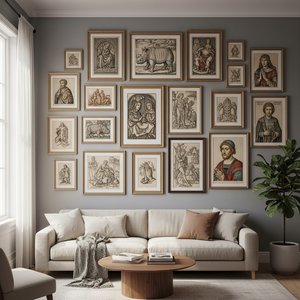
Prozkoumejte 25 ikonických děl Albrechta Dürera, mistra renesance. Objevíte jeho rytiny, malby a grafiku plné symboliky a preciznosti. Najděte inspiraci pro váš interiér s kvalitními reprodukcemi na Most-Famous-Paintings.com
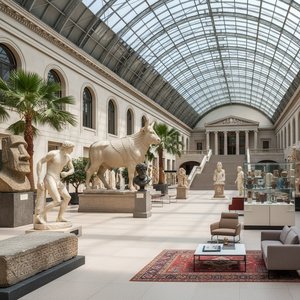
Prozkoumejte 25 nejúžasnějších uměleckých děl Britského muzea! Objevte příběhy slavných malířů, starověké sochy a historické obrazy. Najděte inspiraci pro váš interiér s reprodukcemi obrazů na Most-Famous-Paintings.com

Prozkoumejte 10 legendárních гравюр od Rembrandta, Dürera a Goyi. Objevte příběhy mistrů, techniky rytiny a umělecké dědictví baroka i renesance. Reprodukce obrazů pro váš interiér na Most-Famous-Paintings.com

Explore the life & art of Albrecht Dürer, a pivotal German Renaissance master. Discover his groundbreaking printmaking techniques, iconic self-portraits, and lasting influence on Western art history. A deep dive into innovation & symbolism.

Explore the rich history of engraving with Most-Famous-Paintings. Discover techniques, iconic artists like Dürer & Callot, collecting tips, and expert guidance for preserving your art investment. Learn about intaglio printing & more!


Buďte na tahu s nejnovějšími novinkami ze světa umění, exkluzivními nabídkami a inspirativními nápady na dekoraci.
Sdělte nám více o svém projektu a naši odborníci na umění vám připraví 3 personalizované návrhy uměleckých děl.
Nechť pro vás vybereme 3 možnosti – zdarma!


 Náhled
 Sdílet
 Sdílet
 Podrobnosti o díle

 Stáhnout
 Podobné položky
 Rentgenové snímky
 Slideshow
 Zobrazit více







 Skleněná varianta je dostupná pouze u rozměrů menších než 110 cm


