x

 Other
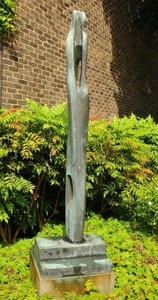
Other 2012
2012 70.0 x 70.0 cm
 Museum of the Arts of the University of Guadalajara
Koupě vysoce rozlišeného, vylepšeného digitálního obrazu, který je mnohem kvalitnější než online náhled.
Každý soubor je pečlivě připraven našimi odborníky pomocí pokročilých nástrojů a expertní manuální retuše. Zajišťujeme, aby každý obraz disponoval výjimečnou ostrostí, přesnou barevnou věrností a jemnými detaily.
Finální soubor vám bude do 72 hodin zaslán e-mailem, optimalizovaný pro okamžité použití v profesionálním, redakčním i tiskovém prostředí. Nabízíme stejnou kvalitu, které důvěřují špičková designová studia, nakladatelství i galerie.
Stáhněte si soubor ve vysokém rozlišení pro osobní prohlížení, tisk a kreativní projekty. ( Koupit tisk Koupit ručně malovaný obraz)
Když si vyberete Most-Famous-Paintings.com, nezískáváte pouze obrázek – získáváte digitální umělecké dílo s profesionálně vylepšenými detaily, zpracované s precizností a podpořené zárukou za spokojenost. Zde je vše, co vaše objednávka automaticky obsahuje:

Váš digitální obraz ve vysokém rozlišení vám bude zaslán e-mailem do 72 hodin od objednávky – připraven k okamžitému použití.

Vaše umělecké dílo je profesionálně optimalizováno pomocí pokročilých nástrojů umělé inteligence a manuální úpravy, což zajišťuje maximální úroveň detailu, ostrosti a přesnosti barev.

Soubor jste omylem smazali nebo ztratili? Žádný problém – kdykoliv vám ho znovu zašleme zcela zdarma.

Užijte si své umělecké dílo okamžitě bez celních poplatků, daní nebo nákladů na dopravu – digitální stažení je vždy bez daňových povinností.

Pomocí profesionálních nástrojů a správy barev zajišťujeme, aby váš digitální obraz odrážel původní barvy co nejvěrněji.

Pokud nebudete s digitální fotografií spokojeni, provedeme její revizi nebo vám vrátíme 100% během 60 dnů – bez jakýchkoliv dotazů.

Nespokojeni? Získejte plnou částku zpět do 60 dní od přijetí vašeho digitálního souboru – bez jakýchkoliv dotazů.

Koupěte si 3 obrazy, ušetřete 10% - Koupěte si 5, ušetřete 15% - Koupěte si 10+, ušetřete 20%. Ideální pro kreativní projekty, galerie a agentury.

Born in Brooklyn, New York, in 1960 to Haitian and Puerto Rican parents, Jean-Michel Basquiat’s life was a collision of cultures and experiences that profoundly shaped his art. His early years were marked by movement – leaving home at fifteen to live in Lower Manhattan, immersing himself in the vibrant, often chaotic world of New York City's downtown scene. He found work as a messenger boy, a dishwasher, and even a nightclub bouncer, absorbing the energy and grit of the city while simultaneously honing his artistic skills through sketching and painting on whatever surfaces he could find – walls, floors, jackets, anything that offered a canvas.
Initially, Basquiat’s work was deeply rooted in the graffiti subculture. He adopted the pseudonym “SAMO” (short for “same old, same old”) and began tagging city walls with cryptic statements alongside fellow artists like Al Diaz. These early pieces, often incorporating phrases like "SAMO © 4 THE SO-CALLED AVANT-GARDE," were a direct challenge to the established art world, questioning its conventions and reflecting the frustrations of marginalized communities. This street art background—the immediacy, the raw energy, and the deliberate disruption – would become a defining characteristic of his later work.
The turning point arrived in 1980 with the “Times Square Show,” an unauthorized exhibition organized by a group of artists who transformed a vacant building into a makeshift gallery. Basquiat’s paintings, characterized by their bold colors, fragmented imagery, and layered text, immediately attracted attention from critics and collectors alike. The influential article "The Radiant Child" in The New York Times Magazine, written by Rene Ricard, catapulted him to international fame, framing him as a “new original” – a figure both deeply personal and profoundly critical of the art market’s tendency to commodify and distort artistic expression.
This period was particularly significant because it coincided with the "culture wars" of the 1980s—a time of intense social and political polarization. Basquiat's work resonated powerfully with this context, addressing issues of race, identity, and power dynamics within the art world itself. He wasn’t simply creating beautiful images; he was engaging in a dialogue about representation, exclusion, and the complex relationship between artist and audience.
Basquiat's visual language is instantly recognizable—a dense tapestry of symbols, words, and imagery that often defy easy interpretation. He drew heavily on sources ranging from African art and mythology to American pop culture, jazz music, and historical documents. His paintings frequently incorporate anatomical diagrams, lists, inventories, maps, and cryptic phrases, creating a sense of intellectual stimulation alongside emotional resonance.
Technically, Basquiat’s style evolved rapidly throughout his career. Initially influenced by the gestural energy of Abstract Expressionism and the raw immediacy of graffiti, he gradually developed a more controlled and layered approach, employing techniques such as collage, painting, drawing, and assemblage. His use of bright colors—particularly blues, reds, and yellows—contrasted sharply with the black-and-white imagery often associated with street art, creating a dynamic visual tension.
Despite his tragically short life – he died of a heroin overdose in 1988 at the age of twenty-seven – Jean-Michel Basquiat left an indelible mark on the art world. His work continues to be celebrated for its raw honesty, its critical engagement with social issues, and its innovative visual language. His paintings have achieved astonishing levels of value, demonstrating a remarkable return on investment over time, as evidenced by Sotheby’s index.
More importantly than the monetary value, Basquiat's legacy lies in his ability to challenge conventions, to speak truth to power, and to give voice to marginalized communities. His art remains relevant today, prompting viewers to confront uncomfortable truths about race, identity, and the complexities of contemporary society. He is remembered not just as a brilliant artist but as a cultural icon—a testament to the transformative power of creativity and the enduring importance of artistic expression.

1982 - , Mexico


Buďte na tahu s nejnovějšími novinkami ze světa umění, exkluzivními nabídkami a inspirativními nápady na dekoraci.
Sdělte nám více o svém projektu a naši odborníci na umění vám připraví 3 personalizované návrhy uměleckých děl.
Nechť pro vás vybereme 3 možnosti – zdarma!


 Náhled
 Sdílet
 Sdílet
 Podrobnosti o díle

 Stáhnout
 Podobné položky
 Rentgenové snímky
 Slideshow
 Zobrazit více