x


 Preview
 Koupit tisk Koupit digitální obrázek
 Sdílet
 Podrobnosti o díle
 Přidat do oblíbených
 Stáhnout
 Podobné položky
 Rentgenové snímky
 Slideshow
 Oil On CanvasWallArtFauvism
 1905
1905 82.0 x 101.0 cm
 Pushkinovo státní muzeum umění
Ručně malovaná olejná barva na plátně ve vašem zvoleném rozměru i s rámem, vyrobená našimi umělci na zakázku.





























Vyberte si z našich přednastavených velikostí, které odpovídají původním proporcím díla.

Můžete zadat vlastní rozměry pro konkrétní rám nebo prostor. Pokud se vámi vybraná velikost neshoduje s proporcemi původního obrazu, dílo buď ořízneme, nebo jej doplníme ručně malovanými prvky. Před zahájením výroby vám bude zaslán digitální náhled ke schválení.
Upozorňujeme, že náhled na obrazovce neodpovídá skutečnému ořezu ani rozšíření. Pouze digitální náhled přesně zobrazí finální kompozici.
Ačkoliv je možné zvolit vlastní velikost, pro zachování původních proporcí doporučujeme vybrat rozměr z předdefinovaného seznamu.
Celosvětová doprava () za 3–4 týdny namísto standardních 5 týdnů. (25 červenec). Bez kompromisů v kvalitě.


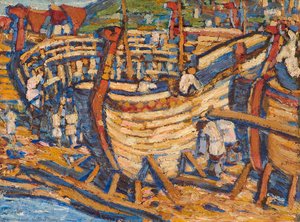
Drying the Sails
Rozměry reprodukce
André Derain’s “Drying the Sails,” painted in 1905, isn't merely a depiction of a harbor scene; it’s an explosion of color and emotion—a quintessential embodiment of the Fauvist movement. Born from a confluence of artistic influences and a desire to break free from traditional representation, this painting captures a fleeting moment on the French coast, imbued with a raw energy that continues to resonate with viewers today. Derain, alongside Henri Matisse, spearheaded this revolutionary approach to art, prioritizing the subjective experience of color and light over strict adherence to realism. The work’s genesis lies in the summer of 1905, spent in Collioure, a vibrant port town on the Mediterranean coast – a location that profoundly shaped Derain's artistic vision.
The painting itself presents a bustling waterfront scene dominated by a collection of sailboats. These vessels aren’t rendered with meticulous detail; instead, they are simplified forms, their edges blurred and dissolving into washes of intense blues, greens, yellows, and reds. The sky is a swirling vortex of color, mirroring the energy of the water below. The figures present – fishermen, sailors, and onlookers – are equally abstracted, contributing to the overall sense of movement and dynamism. It’s important to note that Derain deliberately avoided precise observation, opting instead to translate his *feeling* of the scene onto the canvas.
To truly appreciate “Drying the Sails,” it's crucial to understand the context of Fauvism. Emerging at the turn of the 20th century, this movement rejected the muted tones and academic conventions of the past. Artists like Derain, Matisse, and Maurice de Vlaminck embraced bold, non-naturalistic colors – often using them purely for their expressive qualities. They believed that color could evoke emotions and sensations independently of its representation. This radical departure from tradition was initially met with criticism, earning the Fauves (meaning “wild beasts”) their provocative nickname. Derain’s use of vibrant hues in "Drying the Sails" is a prime example of this approach – colors are applied with abandon, creating a dazzling and almost hallucinatory effect.
Technically, Derain employed loose, expressive brushstrokes—a hallmark of Fauvist painting. The paint is applied thickly, often directly from the tube, resulting in a textured surface that adds to the sense of movement and immediacy. He utilized a technique known as “divisionism,” breaking down colors into smaller dots or patches, allowing the viewer’s eye to blend them together optically. This method further intensified the vibrancy of the palette and created an almost shimmering quality within the painting.
Beyond its technical innovations, “Drying the Sails” is rich in symbolic meaning. The act of drying sails represents a transition – from movement to stillness, from activity to rest. It’s a moment of pause amidst the bustle of harbor life, inviting contemplation. The intense colors can be interpreted as representing the energy and vitality of nature, while the simplified forms suggest a focus on essential shapes and rhythms. The painting isn't simply about depicting a scene; it’s about conveying an *experience* – a feeling of warmth, light, and perhaps even a hint of melancholy.
The painting’s emotional impact is undeniable. It evokes a sense of joy and exuberance, yet also hints at the transient nature of beauty and the inevitability of change. “Drying the Sails” remains a powerful testament to Derain's artistic vision and his pivotal role in shaping the course of modern art. Its legacy continues to inspire artists today, demonstrating the transformative power of color and emotion.


1880 - 1954 , Francie
Prozkoumejte 10 ikonických děl fauvismu od Matisse, Deraina a dalších. Objevte příběhy za expresivními barvami a revolučním uměleckým stylem. Reprodukce obrazů nejvyšší kvality na Most-Famous-Paintings.cz – inspirace pro váš interiér!

Prozkoumejte 25 ikonických děl Claude Moneta – mistra impresionismu. Obdivujte vodní lilie, krajiny a secesní obrazy plné světla a barev. Najděte inspiraci pro váš interiér s reprodukcemi nejvyšší kvality na Most-Famous-Paintings.com
Prozkoumejte top 10 slavných obrazů ovládaných šedými tóny – od Moneta po Picassa. Objevte příběhy umělců, techniky a inspiraci pro váš interiér s reprodukcemi nejvyšší kvality na Most-Famous-Paintings.com.

Prozkoumejte 10 ikonických děl fauvismu od Matisse, Deraina a dalších. Objevte příběhy za expresionistickými barvami a revolučním uměleckým stylem. Najděte inspiraci pro váš interiér s reprodukcemi nejvyšší kvality na Most-Famous-Paintings.com.

Explore the revolutionary art of André Derain, co-founder of Fauvism. Discover his bold use of color, evolution from radical expressionism to classicism, and lasting influence on modern art history. Learn more at Most-Famous-Paintings.


Buďte na tahu s nejnovějšími novinkami ze světa umění, exkluzivními nabídkami a inspirativními nápady na dekoraci.
Sdělte nám více o svém projektu a naši odborníci na umění vám připraví 3 personalizované návrhy uměleckých děl.
Nechť pro vás vybereme 3 možnosti – zdarma!


 Sdílet

 Zobrazit více







 Skleněná varianta je dostupná pouze u rozměrů menších než 110 cm