
Prodávejte své umění
Seznam přání Nákupní košík Cart
NáhledNáhled Náhled v ARNáhled v AR Koupit tisk Koupit tiskKoupit ručně malovaný obraz Koupit ručně malovaný obraz SdíletSdílet
Podrobnosti o dílePodrobnosti o díle Přidat do oblíbených Přidat do oblíbených StáhnoutStáhnout Podobné položkyPodobné položky Rentgenové snímkyRentgenové snímky SlideshowSlideshow

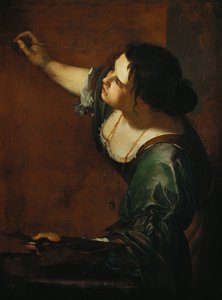
Danaë

Discover Artemisia Gentileschi’s masterpiece, ‘Danaë’! A stunning Baroque oil painting showcasing dramatic light & emotion. Explore its rich history & artistic significance.

Artemisia Gentileschi (1593-1656): italská barokní malířka, známá dramatickým realismem, silnými ženskými postavami a odhodláním. Pionýrka umění!

Koupě vysoce rozlišeného, vylepšeného digitálního obrazu, který je mnohem kvalitnější než online náhled.

Každý soubor je pečlivě připraven našimi odborníky pomocí pokročilých nástrojů a expertní manuální retuše. Zajišťujeme, aby každý obraz disponoval výjimečnou ostrostí, přesnou barevnou věrností a jemnými detaily.

Finální soubor vám bude do 72 hodin zaslán e-mailem, optimalizovaný pro okamžité použití v profesionálním, redakčním i tiskovém prostředí. Nabízíme stejnou kvalitu, které důvěřují špičková designová studia, nakladatelství i galerie.

Digitální obrazy

Stáhněte si soubor ve vysokém rozlišení pro osobní prohlížení, tisk a kreativní projekty. (Koupit tisk Koupit tiskKoupit ručně malovaný obraz Koupit ručně malovaný obraz)

Celková cena

$ 24,90

Součást každé objednávky digitálního obrazu

Profesionální digitální doručení, zaručeno.

Když si vyberete Most-Famous-Paintings.com, nezískáváte pouze obrázek – získáváte digitální umělecké dílo s profesionálně vylepšenými detaily, zpracované s precizností a podpořené zárukou za spokojenost. Zde je vše, co vaše objednávka automaticky obsahuje:

shipping_icon
Rychlé doručení e-mailem

Váš digitální obraz ve vysokém rozlišení vám bude zaslán e-mailem do 72 hodin od objednávky – připraven k okamžitému použití.

canvas_icon
Digitální soubor s využitím AI

Vaše umělecké dílo je profesionálně optimalizováno pomocí pokročilých nástrojů umělé inteligence a manuální úpravy, což zajišťuje maximální úroveň detailu, ostrosti a přesnosti barev.

insurance_icon
Bezplatné doživotní znovuodeslání

Soubor jste omylem smazali nebo ztratili? Žádný problém – kdykoliv vám ho znovu zašleme zcela zdarma.

tax_icon
Bez poplatků za dovoz – navždy

Užijte si své umělecké dílo okamžitě bez celních poplatků, daní nebo nákladů na dopravu – digitální stažení je vždy bez daňových povinností.

color_icon
Záruka přesnosti barev

Pomocí profesionálních nástrojů a správy barev zajišťujeme, aby váš digitální obraz odrážel původní barvy co nejvěrněji.

return_icon
60denní záruka spokojenosti

Pokud nebudete s digitální fotografií spokojeni, provedeme její revizi nebo vám vrátíme 100% během 60 dnů – bez jakýchkoliv dotazů.

guarantee_icon
100% záruka vrácení peněz

Nespokojeni? Získejte plnou částku zpět do 60 dní od přijetí vašeho digitálního souboru – bez jakýchkoliv dotazů.

discount_icon
Slevy při hromadných objednávkách

Koupěte si 3 obrazy, ušetřete 10% - Koupěte si 5, ušetřete 15% - Koupěte si 10+, ušetřete 20%. Ideální pro kreativní projekty, galerie a agentury.

Základní informace

  • year: 1612
  • location: St. Louis Art Museum
  • artist: Artemisia Gentileschi
  • subject: Mythological scene of Danaë visited by Zeus as a shower of gold
  • notable elements: Chiaroscuro
  • influences: Caravaggio, Peter Paul Rubens
  • style: Dramatic, naturalistic

Kvíz o umění

U každé otázky je pouze jedna správná odpověď.

Otázka 1:
Artemisia Gentileschi's 'Danaë' depicts a scene from what source?
Otázka 2:
What artistic technique is prominently used in 'Danaë' to create dramatic effects of light and shadow?
Otázka 3:
In what city is 'Danaë' currently housed?
Otázka 4:
Which artistic movement does 'Danaë' belong to?
Otázka 5:
Some scholars interpret the pose and expression in Gentileschi's 'Danaë' as potentially reflecting what personal experience of the artist?

Popis sběratelského kusu

A Shower of Gold: Unveiling Artemisia Gentileschi’s *Danaë*

Gentileschi's 1612 *Danaë*, housed at the St. Louis Art Museum, is a captivating example of Baroque artistry imbued with psychological depth and emotional resonance. The painting depicts the mythological tale of Danaë, daughter of King Acrisius, who was visited by Zeus transformed into a golden shower. This dramatic moment, plucked from Ovid’s *Metamorphoses*, is rendered with Gentileschi's signature realism and masterful use of light and shadow. The composition centers on the reclining nude figure of Danaë, her body illuminated against a dark background, while a servant attends to the falling gold coins. The scene isn’t merely illustrative; it’s an intimate exploration of vulnerability, power dynamics, and perhaps even trauma, themes frequently explored in Gentileschi's oeuvre.

The Artist & Her Baroque Voice

Artemisia Gentileschi (1593-c. 1653) was a pioneering figure in the male-dominated art world of the 17th century. Trained by her father, Orazio Gentileschi, she quickly surpassed his skill, developing a distinctive style deeply influenced by Caravaggio’s *tenebrism* – a dramatic contrast between light and dark. However, unlike many of her contemporaries, Gentileschi infused her work with an intensely personal perspective, often focusing on female subjects depicted with strength, agency, and complex emotions. Her ability to capture subtle flesh tones and textures is remarkable, foreshadowing the techniques later embraced by artists like Peter Paul Rubens. *Danaë* exemplifies this skill, showcasing a level of anatomical accuracy and emotional intensity rarely seen in paintings of its time.

Symbolism & Interpretation

  • The Golden Shower: Represents Zeus’s divine power and his forceful seduction of Danaë, but also alludes to wealth, fertility, and the consequences of prophecy.
  • Danaë's Pose: Scholars debate whether her posture conveys invitation or resistance. The clenched fist and partially covered legs suggest a complex emotional state – perhaps a mixture of acceptance and apprehension.
  • The Attendant: Her presence adds another layer to the narrative, possibly representing complicity, observation, or even a silent witness to an unwanted encounter.
Some art historians believe *Danaë* reflects Gentileschi’s own experiences as a survivor of sexual assault. While this interpretation remains debated, it underscores the painting's power to evoke empathy and provoke critical reflection on themes of female agency and vulnerability. The choice to paint Danaë on copper is also notable; unusual for Gentileschi, it may be linked to her father’s practice and adds to ongoing discussions about authorship and collaboration within their workshop.

A Lasting Legacy

*Danaë* stands as a testament to Artemisia Gentileschi's artistic brilliance and unwavering determination in the face of societal constraints. The painting is characterized by its masterful use of chiaroscuro, creating a dramatic sense of depth and volume, and its emotionally charged atmosphere. It’s not simply a depiction of a mythological scene; it’s a powerful statement about female experience, resilience, and the enduring legacy of a truly remarkable artist. High-quality reproductions allow art enthusiasts to bring this compelling work into their homes, celebrating Gentileschi's contribution to Baroque painting and her continued relevance in contemporary discourse.

Biografie umělce

A Daughter of Rome: The Life and Art of Artemisia Gentileschi

Artemisia Gentileschi’s name echoes through the halls of art history, resonating not simply as that of a painter, but as an emblem of resilience, defiance, and extraordinary artistic talent in a world determined to silence female voices. Born in Rome in 1593, she entered a milieu steeped in artistry—her father, Orazio Gentileschi, was a respected painter deeply influenced by the revolutionary realism of Caravaggio. From her earliest years, Artemisia’s gift was undeniable, nurtured within her father's workshop where she absorbed techniques of composition and the dramatic use of light and shadow that would become hallmarks of her distinctive style. This formative training wasn’t merely about mastering brushstrokes; it was an immersion into a world of artistic ambition, one typically closed to women. Recognizing his daughter’s exceptional talent, Orazio provided opportunities unavailable to most females of the era, allowing her to study from life models—a crucial step in developing anatomical accuracy and expressive power.

Shadows and Strength: Artistic Development

Gentileschi's artistic development was profoundly shaped by Caravaggio’s tenebrism—the stark contrast between light and darkness that imbued his paintings with an intense emotionality. Yet, she didn’t simply mimic her father or Caravaggio; she forged her own unique voice, characterized by a raw psychological depth and a compelling focus on female subjects often depicted with unprecedented agency and strength. Even in her early works, like *Susanna and the Elders* (1610), a biblical scene depicting Susanna being spied upon by two lecherous old men, Artemisia’s interpretation diverges from traditional portrayals. Here, Susanna isn't passively vulnerable; she displays a quiet dignity and resistance, foreshadowing the powerful female figures that would dominate her later oeuvre. But it is *Judith Slaying Holofernes* (existing in multiple versions between 1614-1620) that cemented her reputation as a master of dramatic narrative and psychological realism. The painting isn’t merely a depiction of violence; it's an exploration of courage, determination, and the righteous fury of a woman defending her people. The visceral intensity, the unflinching portrayal of the act itself, shocked and captivated audiences then—and continues to do so today. Other notable works like *Judith and her Maidservant* (1625) and *Danaë* (c. 1636-1639) further demonstrate her evolving style, showcasing both vulnerability and power in her female protagonists. Her ability to render flesh with such realism, combined with a masterful use of chiaroscuro, created scenes that were both terrifying and deeply moving.

A Trial by Fire: Trauma and Triumph

Artemisia’s life was irrevocably altered by a horrific event: her rape at the hands of Agostino Tassi, a fellow painter and colleague of her father. The ensuing trial (1611-1612) became a public spectacle, subjecting Artemisia to grueling questioning and societal scrutiny. While she bravely testified against Tassi, the proceedings were marred by bias and attempts to discredit her character. This trauma profoundly impacted her life and art, imbuing her work with an emotional intensity that some scholars believe is directly linked to her personal experiences. The trial itself became a symbol of the challenges faced by women seeking justice in a patriarchal society. Despite this ordeal, Artemisia refused to be defined by it. She continued to paint, moving between Rome, Florence, and Naples, establishing herself as a successful artist in her own right. In 1616, she achieved another milestone: becoming the first woman admitted to the Accademia di Arte del Disegno in Florence—a testament to her talent and perseverance. This achievement was not merely symbolic; it opened doors for future generations of female artists.

Key Works

  • Judith Slaying Holofernes (1614-1620): Perhaps her most famous work, showcasing dramatic realism and female empowerment.
  • Susanna and the Elders (1610): An early masterpiece demonstrating her unique interpretation of a classic biblical scene.
  • Judith and Her Maidservant (1625): A compelling portrayal of female solidarity and strength after a violent act.
  • Danaë (c. 1636-1639): A sensual and psychologically complex depiction of the mythological figure.

Legacy of a Pioneer

Artemisia Gentileschi’s career spanned decades, marked by both artistic innovation and personal resilience. She worked for prominent patrons, including the Medici family, and established a thriving workshop, proving that women could not only excel as artists but also succeed in a traditionally male-dominated profession. For centuries, her work was often overshadowed by the circumstances of her life, viewed through the lens of scandal rather than artistic merit. However, beginning in the 20th century, there has been a significant reevaluation of her art, recognizing her as one of the most important and innovative painters of the Baroque period. Her paintings are now celebrated for their emotional depth, dramatic realism, and powerful depictions of women—not as passive objects but as active agents in their own narratives. Artemisia Gentileschi is more than just an artist; she’s a feminist icon, a trailblazer who defied societal expectations and left behind a legacy that continues to inspire generations. Her story serves as a potent reminder of the importance of recognizing and celebrating the contributions of women throughout history—and of ensuring that their voices are never silenced again. She painted not just with her hands, but with her soul.
Artemisia Gentileschiová

Artemisia Gentileschiová

1593 - 1656 , Itálie

Stručné informace

  • Artistic Movement Or Style: Barokní malířství
  • Artists Or Movements Influenced By This Artist: ['Feminist art']
  • Artists Who Influenced This Artist:
    • Caravaggio
    • Orazio Gentileschi
  • Date Of Birth: 8. července 1593
  • Date Of Death: asi 1656
  • Full Name: Artemisia Lomi Gentileschi
  • Nationality: Italská
  • Notable Artworks:
    • Judita Holoferna
    • Zuzana a staříci
    • Júdita zabíjí Holoferna
  • Place Of Birth: Řím, Itálie

