


x

Ručně malovaná olejná barva na plátně ve vašem zvoleném rozměru i s rámem, vyrobená našimi umělci na zakázku. ( Koupit tisk Koupit obrázek)





























Vyberte si z našich přednastavených velikostí, které odpovídají původním proporcím díla.

Můžete zadat vlastní rozměry pro konkrétní rám nebo prostor. Pokud se vámi vybraná velikost neshoduje s proporcemi původního obrazu, dílo buď ořízneme, nebo jej doplníme ručně malovanými prvky. Před zahájením výroby vám bude zaslán digitální náhled ke schválení.
Upozorňujeme, že náhled na obrazovce neodpovídá skutečnému ořezu ani rozšíření. Pouze digitální náhled přesně zobrazí finální kompozici.
Ačkoliv je možné zvolit vlastní velikost, pro zachování původních proporcí doporučujeme vybrat rozměr z předdefinovaného seznamu.
Celosvětová doprava () za 3–4 týdny namísto standardních 5 týdnů. (23 srpen). Bez kompromisů v kvalitě.


At the Garden Table
Rozměry reprodukce
August Macke's At the Garden Table is a captivating oil on canvas painting created in 1914, offering a vibrant and intimate portrayal of everyday life through the lens of Fauvism. This artwork exemplifies Macke’s unique ability to distill complex scenes into elegant compositions characterized by bold colors and energetic brushstrokes. The piece, now residing within the esteemed collection of the Baltimore Museum of Art, invites viewers to step into a tranquil garden setting where two figures engage in quiet contemplation.
August Robert Ludwig Macke (1887-1914) was a pivotal figure in the German Expressionist movement. Born in Meschede, Germany, his artistic journey began at the Kunstakademie Düsseldorf. Initially influenced by Impressionism and Post-Impressionism, Macke's style underwent a significant transformation following his exposure to French Fauvism. A crucial turning point arrived with his encounter with Robert Delaunay in Paris (1912), which introduced him to Chromatic Cubism or Orphism – a style he incorporated into works like Shops Windows, blending it with the dynamism of Italian Futurism. As a member of Der Blaue Reiter (The Blue Rider) group, Macke sought to express inner emotions and spiritual experiences through color and form, departing from traditional representational art.
At the Garden Table showcases several defining characteristics of Macke’s artistic approach. The painting depicts two individuals seated at a table within a lush garden environment, surrounded by vibrant greenery and colorful flowers. Macke's masterful use of bold, saturated colors—ranging from striking greens and yellows to deep blues and reds—creates an immediate sense of energy and visual excitement. Geometric shapes are strategically employed to structure the composition, fostering a feeling of harmony and balance despite the seemingly spontaneous brushwork. The flattened perspective contributes to the painting’s immediacy, drawing the viewer into the scene. Macke's skillful manipulation of light and shadow adds depth and dimension, enhancing the overall sense of warmth and intimacy.
Created in 1914, just before the outbreak of World War I, At the Garden Table reflects a yearning for tranquility and beauty amidst growing societal unrest. The painting’s subject matter—a simple scene of everyday life—can be interpreted as a celebration of ordinary moments and human connection. While seemingly straightforward, the artwork also carries symbolic weight. The garden setting itself can represent paradise or an idyllic escape from the harsh realities of the world. Macke's vibrant color palette may symbolize joy, vitality, and optimism, offering a counterpoint to the impending darkness of war. The painting’s style is distinctly Expressionistic, characterized by distorted forms, heightened colors, and an emphasis on conveying inner emotions.
At the Garden Table stands as a testament to August Macke's artistic genius and his contribution to the development of modern art. His unique style continues to inspire artists today, demonstrating the enduring power of color, composition, and emotional expression. The painting’s ability to evoke a sense of warmth, intimacy, and quiet contemplation makes it a truly captivating piece—a timeless reflection on the beauty of everyday life.


1887 - 1914 , Německo

Objevte top 25 děl Pierre-Auguste Renoira – impresionistické ikony plné světla a radosti. Prozkoumejte příběhy slavných obrazů, techniky malby a inspirujte se pro váš domov s Most-Famous-Paintings.cz! Reprodukce obrazů nejvyšší kvality.

Explore the vibrant Expressionist paintings of August Macke (1887-1914). Discover his key role in Der Blaue Reiter, Fauvist influences, and captivating depictions of modern life. A comprehensive guide for art enthusiasts & collectors.

Explore the rich history of gardens in painting! Discover masterpieces from Renaissance to Impressionism & beyond. Learn about symbolism, artists like Monet & Klimt, and find your perfect artwork at Most-Famous-Paintings.
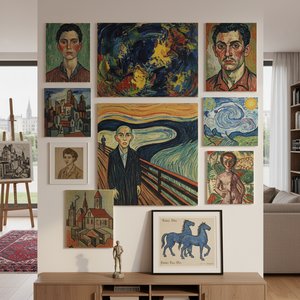
Prozkoumejte 10 ikonických děl expresionismu od Muncha, van Gogha a dalších. Objevte příběhy umělců, techniky a emoce v obrazech. Reprodukce obrazů nejvyšší kvality na Most-Famous-Paintings.com – inspirace pro váš interiér! Prohlédněte si celou kolekci online.
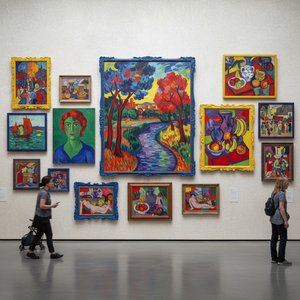
Prozkoumejte 10 ikonických děl fauvismu od Matisse, Deraina a dalších. Objevte příběhy za expresivními barvami a revolučním uměleckým stylem. Reprodukce obrazů nejvyšší kvality na Most-Famous-Paintings.cz – inspirace pro váš interiér!


Buďte na tahu s nejnovějšími novinkami ze světa umění, exkluzivními nabídkami a inspirativními nápady na dekoraci.
Sdělte nám více o svém projektu a naši odborníci na umění vám připraví 3 personalizované návrhy uměleckých děl.
Nechť pro vás vybereme 3 možnosti – zdarma!


 Náhled
 Sdílet
 Sdílet
 Podrobnosti o díle

 Stáhnout
 Podobné položky
 Rentgenové snímky
 Slideshow

 Zobrazit více







 Skleněná varianta je dostupná pouze u rozměrů menších než 110 cm


