x

Ručně malovaná olejná barva na plátně ve vašem zvoleném rozměru i s rámem, vyrobená našimi umělci na zakázku. ( Koupit tisk Koupit obrázek)





























Vyberte si z našich přednastavených velikostí, které odpovídají původním proporcím díla.

Můžete zadat vlastní rozměry pro konkrétní rám nebo prostor. Pokud se vámi vybraná velikost neshoduje s proporcemi původního obrazu, dílo buď ořízneme, nebo jej doplníme ručně malovanými prvky. Před zahájením výroby vám bude zaslán digitální náhled ke schválení.
Upozorňujeme, že náhled na obrazovce neodpovídá skutečnému ořezu ani rozšíření. Pouze digitální náhled přesně zobrazí finální kompozici.
Ačkoliv je možné zvolit vlastní velikost, pro zachování původních proporcí doporučujeme vybrat rozměr z předdefinovaného seznamu.
Celosvětová doprava () za 3–4 týdny namísto standardních 5 týdnů. (18 srpen). Bez kompromisů v kvalitě.


Kairuan III
Rozměry reprodukce
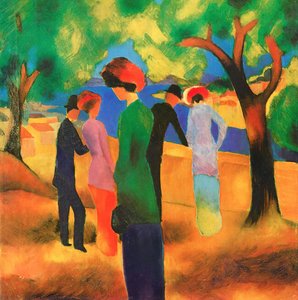
August Macke’s “Kairouan III,” painted in 1914, isn't merely a cityscape; it’s a fleeting moment captured with an almost feverish intensity. Created during a pivotal period of artistic experimentation – a time when German Expressionism was grappling with new forms and the burgeoning influence of movements like Orphism – this watercolor offers a glimpse into Macke’s evolving vision, a synthesis of observation and deeply felt emotion. The painting depicts a bustling street scene in Kairouan, Tunisia, a location that profoundly impacted Macke's artistic sensibilities during his travels. It’s a place he described as “a paradise,” a vibrant hub of color and life that served as a crucial catalyst for his later work.
Macke’s style at this time is characterized by a remarkable blend of influences. While rooted in the Impressionist techniques he initially absorbed, particularly the use of broken brushstrokes to capture light and atmosphere, “Kairouan III” demonstrates a clear shift towards a more expressive and simplified approach. The forms are not meticulously rendered but rather suggested with bold, confident strokes, prioritizing color and composition over photographic realism. This is evident in the flattened perspective, the exaggerated scale of certain buildings, and the almost dreamlike quality of the scene. The painting’s energy isn't derived from detailed observation, but from Macke’s subjective experience of the place – a distillation of its essence into a vibrant, emotionally charged composition.
“Kairouan III” is deeply intertwined with the principles of Orphism, a movement pioneered by Robert Delaunay and Sonia Delaunay. Orphism sought to liberate color from its traditional role as a descriptive element, instead using it purely for its aesthetic qualities – its ability to evoke emotion and create visual harmony. Macke embraced this approach wholeheartedly, employing a dazzling array of colors that seem almost luminous against the paper’s surface. The palette is dominated by intense blues, greens, yellows, and reds, layered in overlapping planes and creating a dynamic sense of movement and depth. Notice how he uses complementary colors – blue and orange, yellow and violet – to intensify each hue and generate visual excitement.
The technique itself contributes significantly to the painting’s effect. Macke employs loose, gestural brushstrokes, often applying paint directly from the tube with minimal blending. This creates a sense of immediacy and spontaneity, as if he were capturing the scene in real-time. The layering of colors is also crucial; each hue builds upon the previous one, creating a shimmering surface that seems to vibrate with energy. This technique isn’t about precise representation but rather about conveying the *feeling* of being immersed in this vibrant urban landscape.
While “Kairouan III” is primarily concerned with color and composition, it also subtly hints at deeper symbolic meanings. The densely packed buildings, rendered with a sense of both dynamism and claustrophobia, suggest the complexities of modern urban life. The figures – though largely indistinct – represent the human element within this environment, adding scale and suggesting activity without explicitly defining their roles or relationships. Macke’s focus is less on individual portraits and more on capturing the collective experience of a place.
Furthermore, the painting's title itself—Kairouan—references an ancient city in Tunisia, steeped in history and religious significance. This connection adds another layer of meaning to the work, suggesting a dialogue between the past and the present, tradition and modernity. Macke’s choice of subject matter reflects his interest in exploring themes of cultural exchange and the transformative power of travel.
August Macke's “Kairouan III” is more than just a beautiful painting; it’s a poignant testament to a brilliant artist whose life was tragically cut short during World War I. Painted in the midst of his most innovative period, this work encapsulates his evolving artistic vision and his profound engagement with color, form, and symbolism. It offers a rare glimpse into a world brimming with energy, emotion, and a deep appreciation for the beauty of everyday life – a world that vanished all too soon. Reproductions of “Kairouan III” capture not only its visual splendor but also the artist’s unique spirit, making it a compelling addition to any collection or a captivating focal point in any interior space.


1887 - 1914 , Německo

Objevte 10 legendárních akvarelů od Turner, Monet a dalších mistrů! Ponořte se do historie umění a inspirujte se pro váš interiér. Kvalitní reprodukce na Most-Famous-Paintings.com.

Explore the captivating world of watercolor painting! Discover its rich history, essential techniques, influential artists & collecting tips. A comprehensive guide for art enthusiasts from Most-Famous-Paintings.

Objevte top 25 děl Pierre-Auguste Renoira – impresionistické ikony plné světla a radosti. Prozkoumejte příběhy slavných obrazů, techniky malby a inspirujte se pro váš domov s Most-Famous-Paintings.cz! Reprodukce obrazů nejvyšší kvality.

Explore the captivating history of watercolor painting, from ancient techniques to modern masters like Kandinsky & Blake. Discover essential artists, collecting tips & the emotional power of this luminous medium. Expert insights for art enthusiasts.

Explore the captivating world of watercolor painting! Discover its rich history, essential techniques, influential artists & collecting tips from art experts. A comprehensive guide for enthusiasts.


Buďte na tahu s nejnovějšími novinkami ze světa umění, exkluzivními nabídkami a inspirativními nápady na dekoraci.
Sdělte nám více o svém projektu a naši odborníci na umění vám připraví 3 personalizované návrhy uměleckých děl.
Nechť pro vás vybereme 3 možnosti – zdarma!


 Náhled
 Sdílet
 Sdílet
 Podrobnosti o díle

 Stáhnout
 Podobné položky
 Rentgenové snímky
 Slideshow


 Zobrazit více







 Skleněná varianta je dostupná pouze u rozměrů menších než 110 cm