


x

Ručně malovaná olejná barva na plátně ve vašem zvoleném rozměru i s rámem, vyrobená našimi umělci na zakázku. ( Koupit tisk Koupit obrázek)





























Vyberte si z našich přednastavených velikostí, které odpovídají původním proporcím díla.

Můžete zadat vlastní rozměry pro konkrétní rám nebo prostor. Pokud se vámi vybraná velikost neshoduje s proporcemi původního obrazu, dílo buď ořízneme, nebo jej doplníme ručně malovanými prvky. Před zahájením výroby vám bude zaslán digitální náhled ke schválení.
Upozorňujeme, že náhled na obrazovce neodpovídá skutečnému ořezu ani rozšíření. Pouze digitální náhled přesně zobrazí finální kompozici.
Ačkoliv je možné zvolit vlastní velikost, pro zachování původních proporcí doporučujeme vybrat rozměr z předdefinovaného seznamu.
Celosvětová doprava () za 3–4 týdny namísto standardních 5 týdnů. (23 srpen). Bez kompromisů v kvalitě.


Pandora, Barend Graat, 1676
Rozměry reprodukce

In the heart of the Dutch Golden Age, a period defined by an explosion of cultural wealth and artistic mastery, the name Barent Graat resonates with the quiet elegance of a bygone era. Born in Amsterdam around 1628, Graat emerged from a city that was then the beating pulse of global commerce and creativity. While history often shines its brightest spotlight on titans like Rembrandt or Vermeer, Graat carved out a profound niche for himself, becoming a master of genre scenes, serene landscapes, and commanding equestrian portraits. His life, which spanned until 1709, was deeply woven into the fabric of Amsterdam’s social and artistic tapestry, reflecting the prosperity and the refined sensibilities of the seventeenth-century Netherlands.
The foundations of Graat’s artistry were laid in his early years through a lineage of talent. Though historical records offer only glimpses into his formative training, it is widely believed that he learned the craft from his uncle, Hans. This familial connection provided him with an intimate introduction to the nuances of pigment and light. His style was further refined by the influence of Hendrick Jacobsz. van Balen I, whose mastery of allegorical composition and vibrant color palettes undoubtedly left an indelible mark on Graat’s developing hand. Even without the transformative journey to Italy that many of his contemporaries sought, Graat achieved a remarkable proficiency in creating small-scale, Italianate landscapes. By emulating the delicate manner of Pieter van Laer, he brought a sense of Mediterranean warmth and classical grace to the northern European aesthetic.
To gaze upon a work by Barent Graat is to enter a world where every shadow tells a story. His technique was characterized by a meticulous devotion to detail and an exquisite use of chiarosc_uro—the dramatic interplay between light and dark that breathes life into form. He possessed a rare ability to capture the subtle flicker of emotion in a subject's gaze or the gentle movement of a landscape under shifting clouds. His brushwork, noted for its delicate precision, allowed him to render textures with such realism that one could almost feel the silk of a gown or the coarse hair of a farm animal.
Graat’s repertoire was as diverse as it was technically demanding. He was particularly celebrated for his skill in depicting animals, a talent that earned him the respect of fellow painters and led him to mentor the notable Johann Heinrich Roos. His ability to blend the pastoral with the profound is evident in several of his most enduring works:
Beyond the canvas, Barent Graat was a pillar of the Amsterdam art community. His life was marked by a commitment to both the practice and the preservation of art. In 1664, he established himself in a beautiful home on the Leidsegracht, a residence that became more than just a dwelling; for fifteen years, it served as a vibrant art academy where he shared his knowledge with the next generation of painters. This role as an educator and a leader within the guild underscores his significance not just as a creator, but as a custodian of the Dutch tradition.
His professional reach extended into the very mechanics of the art market. In 1672, he was called upon to serve as an expert, evaluating collections to verify the authenticity of works—a testament to his profound technical knowledge and the trust placed in his discerning eye. Even in his later years, Graat remained active, contributing decorative grisailles and overmantel pieces for the prestigious regent families of Amsterdam. When he passed away in 1709 at the age of eighty-one, he left behind a legacy of beauty that bridged the gap between the rugged realism of early Dutch art and the refined elegance of the late seventeenth century, ensuring his place in the eternal pantheon of the Golden Age.

1628 - 1709 , Netherlands

Explore the dramatic mastery of the Dutch Baroque era. Discover how masters like Rembrandt used chiaroscuro to transform everyday life into timeless art. An expert guide for collectors and enthusiasts seeking to understand the profound interplay of light and shadow.

Explore the profound mastery of light and shadow in Dutch Golden Age painting. From chiaroscuro to atmospheric landscapes, discover the techniques that defined an era and learn how to bring these timeless masterpieces into your home through museum-quality oil reproductions.

Discover the luminous mastery of Dutch Golden Age landscapes. Our expert guide explores the atmospheric realism of masters like Van Goyen and Cuyp. Elevate your space with museum-quality, hand-painted oil reproductions from Most-Famous-Paintings.com. Art history, beautifully realized.
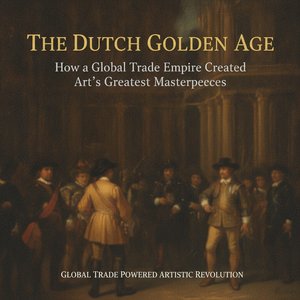
Explore the profound connection between the Dutch Republic's global trade empire and its unparalleled artistic achievements. Discover how 17th-century masters transformed everyday life into timeless masterpieces through light, realism, and unmatched technical brilliance.

Explore the profound mastery of light and shadow in Dutch Golden Age art. From Rembrandt's chiaroscuro to Vermeer's luminosity, discover the techniques that defined an era and learn how to bring these museum-quality masterpieces into your home through expert oil reproductions.


Buďte na tahu s nejnovějšími novinkami ze světa umění, exkluzivními nabídkami a inspirativními nápady na dekoraci.
Sdělte nám více o svém projektu a naši odborníci na umění vám připraví 3 personalizované návrhy uměleckých děl.
Nechť pro vás vybereme 3 možnosti – zdarma!


 Náhled
 Sdílet
 Sdílet
 Podrobnosti o díle

 Stáhnout
 Podobné položky
 Rentgenové snímky
 Slideshow


 Zobrazit více







 Skleněná varianta je dostupná pouze u rozměrů menších než 110 cm


